

Disclosure: I’d like to thank NICEHCK for providing me with the Octave for this review. All thoughts and opinions are my own, and NICEHCK had no say or input on the contents of this review.
The dongle DAC market has become incredibly competitive, with manufacturers cramming serious hardware into increasingly compact packages. The NICEHCK Octave enters this crowded space with an ES9039Q2M DAC chip and dual SGM8262 op-amps, delivering 150mW through its 3.5mm output and a substantial 550mW via the 4.4mm balanced connection at 32 ohms. At $89, those specifications put it in direct competition with dongles costing considerably more.
What I ended up appreciating wasn’t just the hardware, but also its neutral sound signature that seems to play well with different IEM pairings, plus a dedicated companion app featuring a 10-band parametric EQ. That level of customization isn’t something you typically see at this price point.
The real question is whether all these features translate into meaningful improvements for daily listening. Can the Octave justify its place in your audio setup, or does it fall into the trap of impressive specs without delivering where it counts? Let’s dig into the build quality, sound performance, and real-world usability to find out.
Key Specifications
- Product Page: https://www.nicehck.com/products/nicehck-octave-es9039q2m-flagship-portable-dac
- MSRP: $89 USD
- DAC Components: ES9039Q2M DAC, 2x SGM8262 amplifiers
- Connectivity:
- Unbalanced output: 3.5mm (150mW @ 32Ω)
- Balanced output: 4.4mm (550mW @ 32Ω)
- Input: USB-C
- Supported Sample Rates and Formats:
- Up to 32bit 768kHz PCM
- DSD256
- Features:
- NICEHCK Companion app with 10-band PEQ support
- Low and High gain modes
- Supports in-line controls and microphone
- Case and Dimensions:
- 29 x 22 x 10 mm
- 25 grams
In the Box
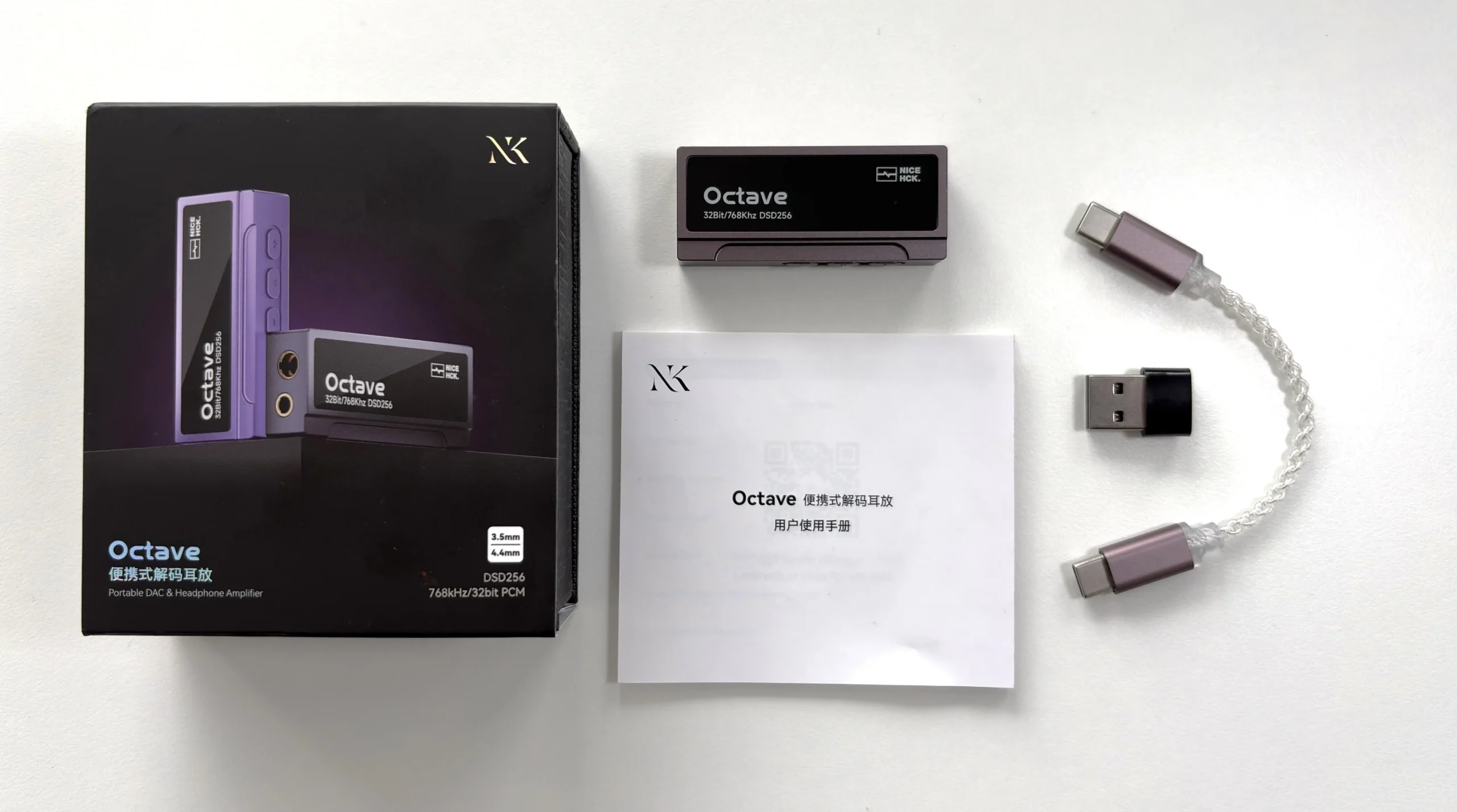
- NICEHCK Octave
- USB-C to USB-C cable
- USB-C to USB-A adapter
- Manual
Design & Build Quality
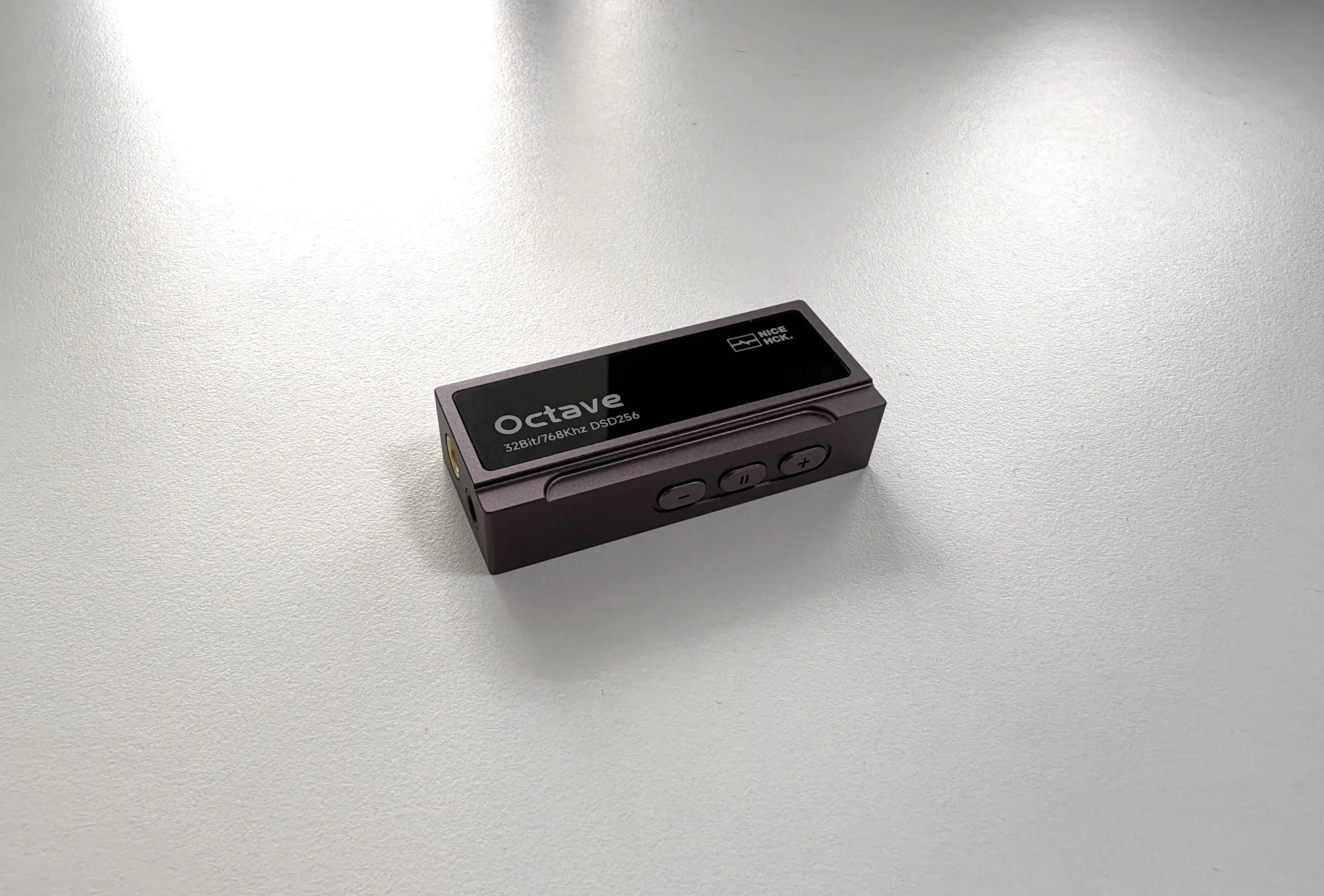
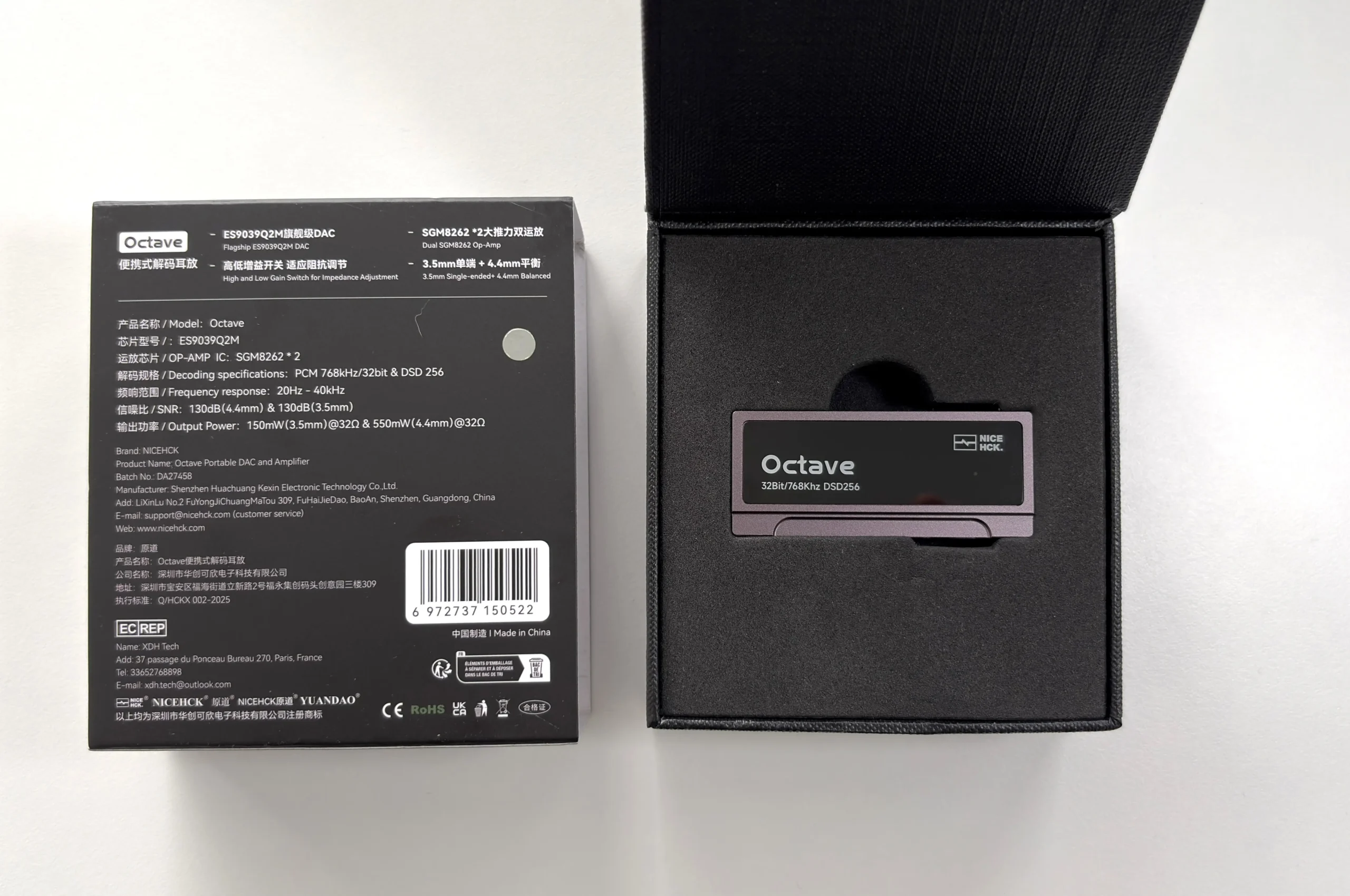
The NICEHCK Octave feels more substantial than you’d expect from something this compact. The packaging itself is thoughtfully done (a small black box neatly packed). Inside, the dongle sits securely in black foam with a protective sheet, while accessories live in a branded cardboard box underneath.
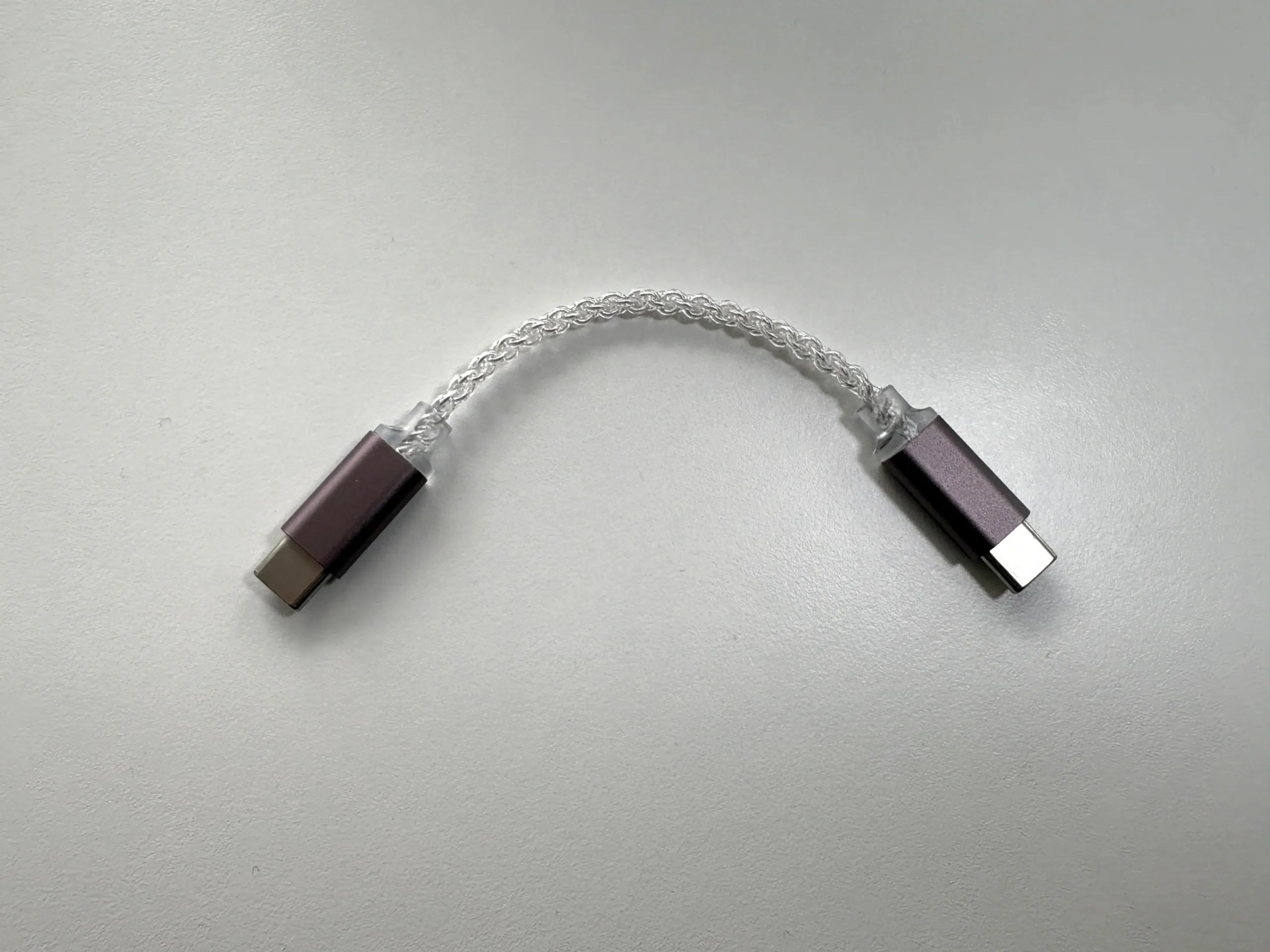


I have the titanium variant (it also comes in purple), and NICEHCK matched the cable’s metal connector housings to the dongle’s finish. It’s a small touch, but it shows attention to detail that goes beyond just functionality. The included cable uses four strands of high-purity silver-plated copper in a woven design that feels well-made. NICEHCK is fairly well-known for its cables, and this one is no exception. You also get a USB-C to USB-A adapter in the box, which is handy for using the Octave with laptops and PCs.
The body of the Octave uses aerospace-grade aluminum processed through CNC machining, giving it a real solid feel when you hold it, but at 25 grams, it’s also extremely light. Both the front and back panels feature tempered glass fitted into the metal frame, creating a nice visual contrast against the matte aluminum sides. Really, the Octave looks very nice, and much more expensive than its $89 USD price.
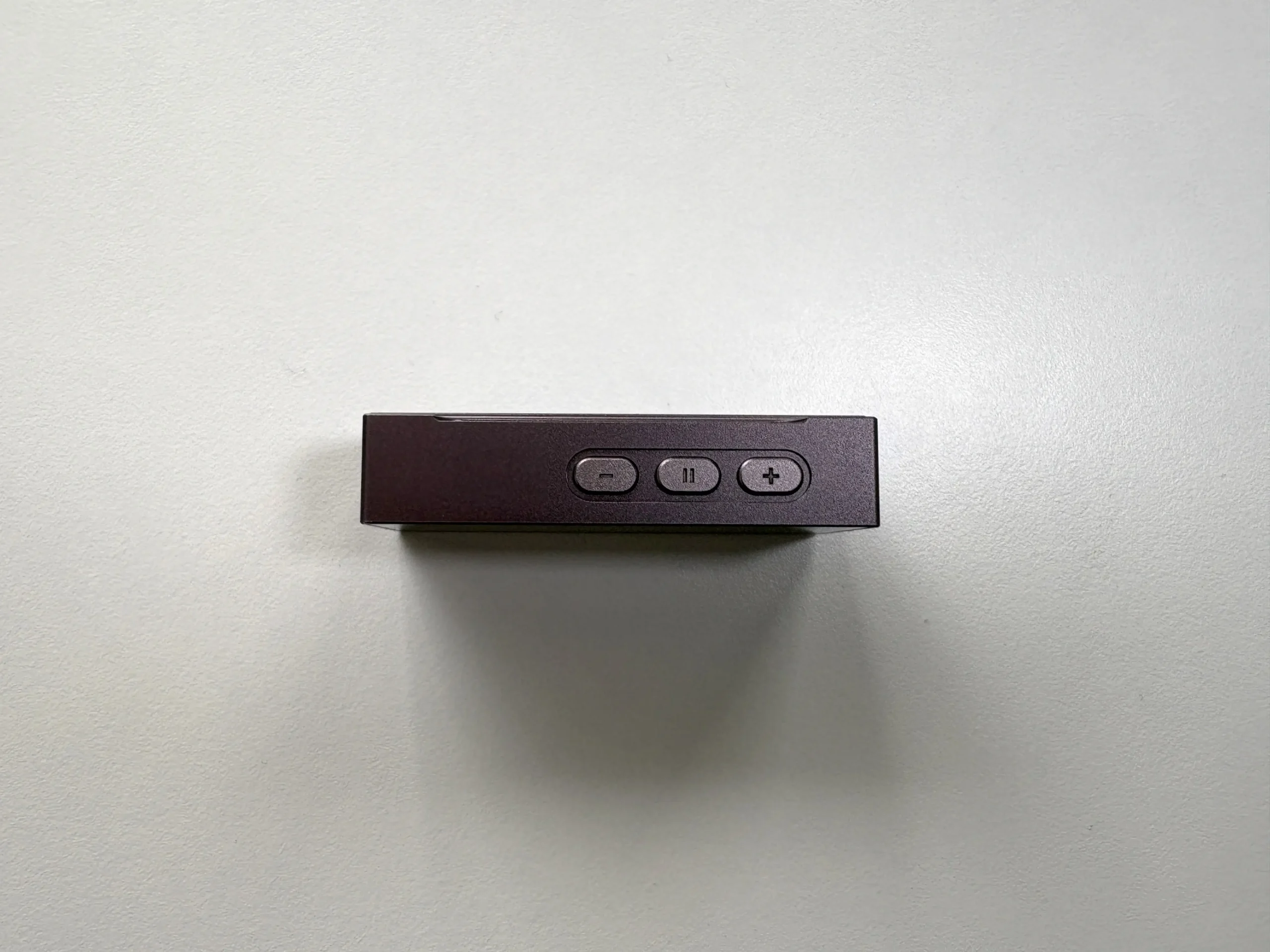
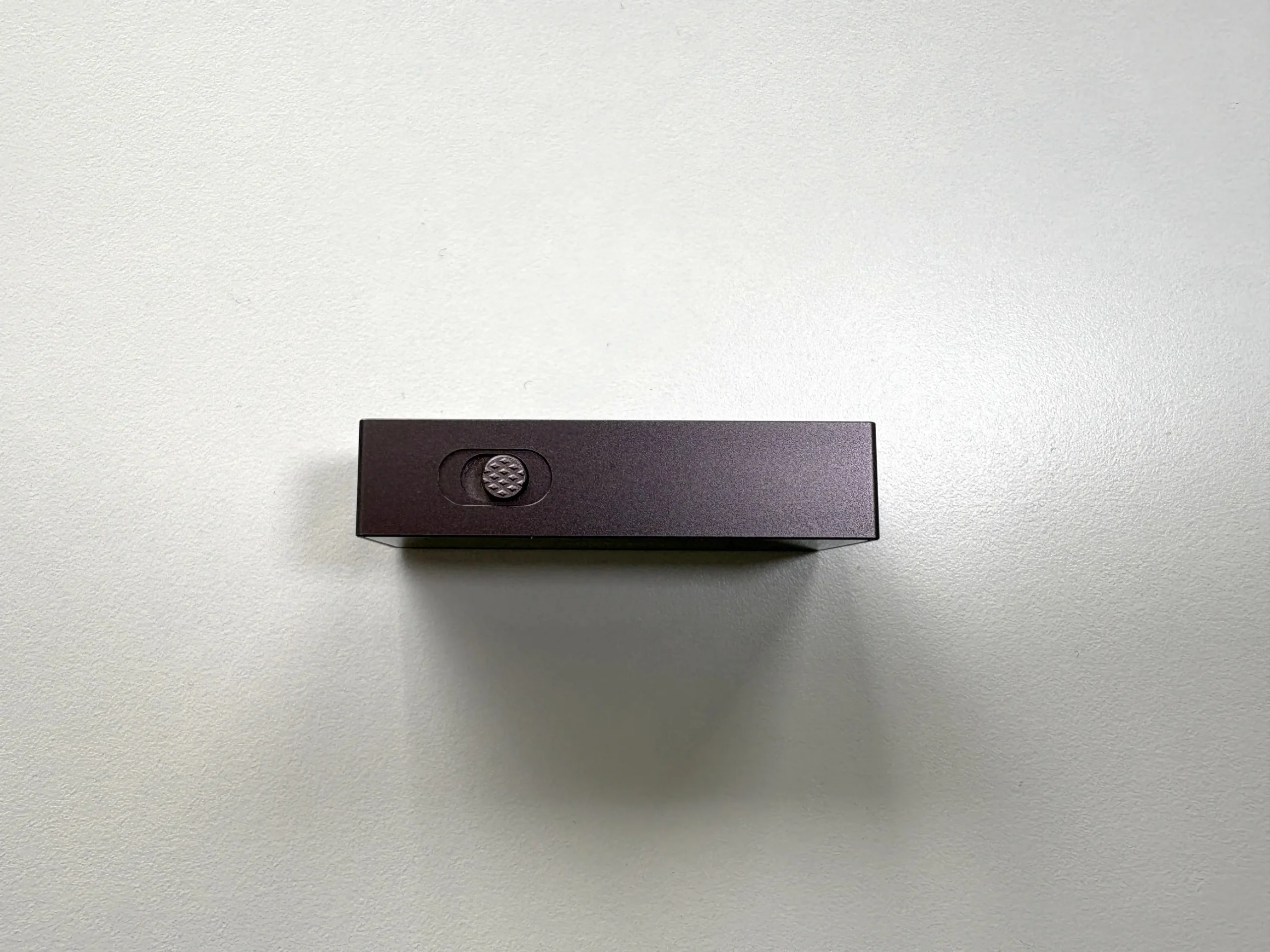


NICEHCK placed the controls logically enough. The gain toggle switch sits on one side as a textured, round button that slides within an oval housing. The lack of any indicators for the gain level is slightly annoying (you have to remember that left is Low and right is High). The opposite side houses three buttons in a recessed area: volume down, play/pause in the center, and volume up. The buttons have a flat-oval profile that provides good tactile feedback. They have a fairly audible click when pressed, which could be annoying in quiet environments.

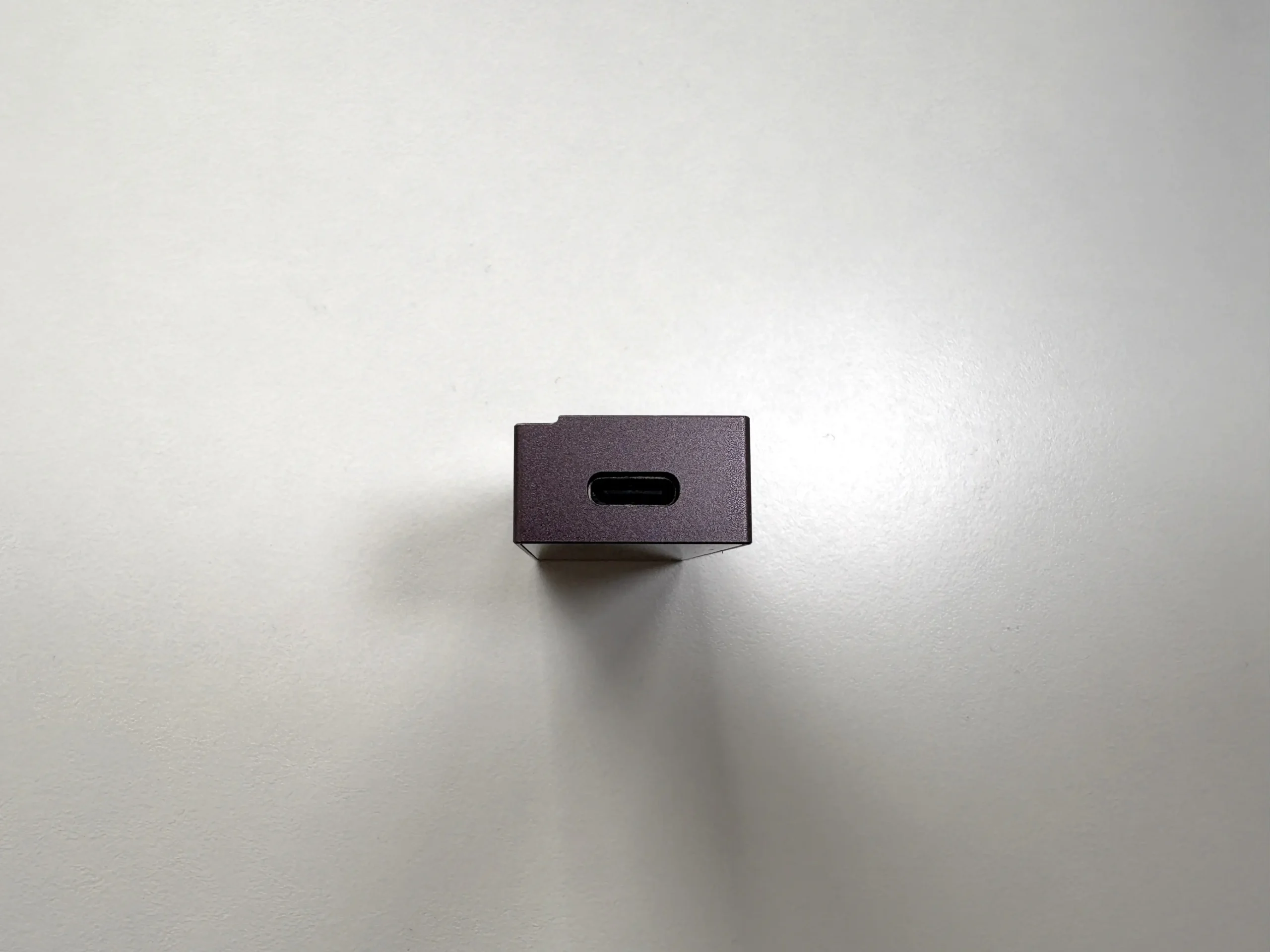


Both audio outputs sit on the left edge. The 4.4mm balanced output features a gold-plated connector, while the 3.5mm single-ended output has a black border. The USB-C input occupies the opposite top edge. Overall, simple and functional.
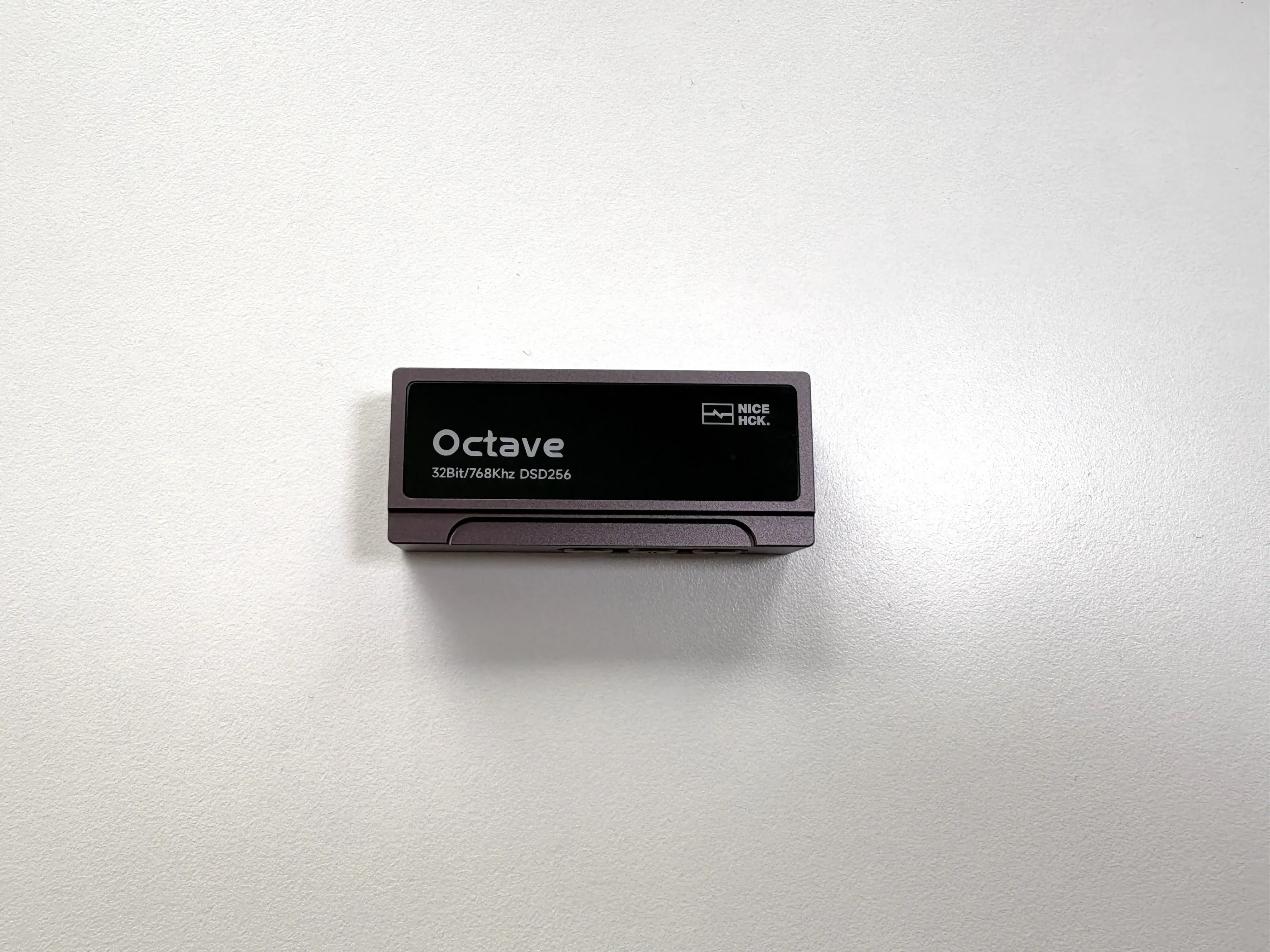
The screen-free design keeps things clean but eliminates at-a-glance information. A small LED on the right side near the USB port changes color based on sample rate, but you won’t see volume levels or gain settings. The 100-step hardware volume control compensates somewhat, letting you adjust by feel rather than visual confirmation. It works, but I do miss having visual feedback.
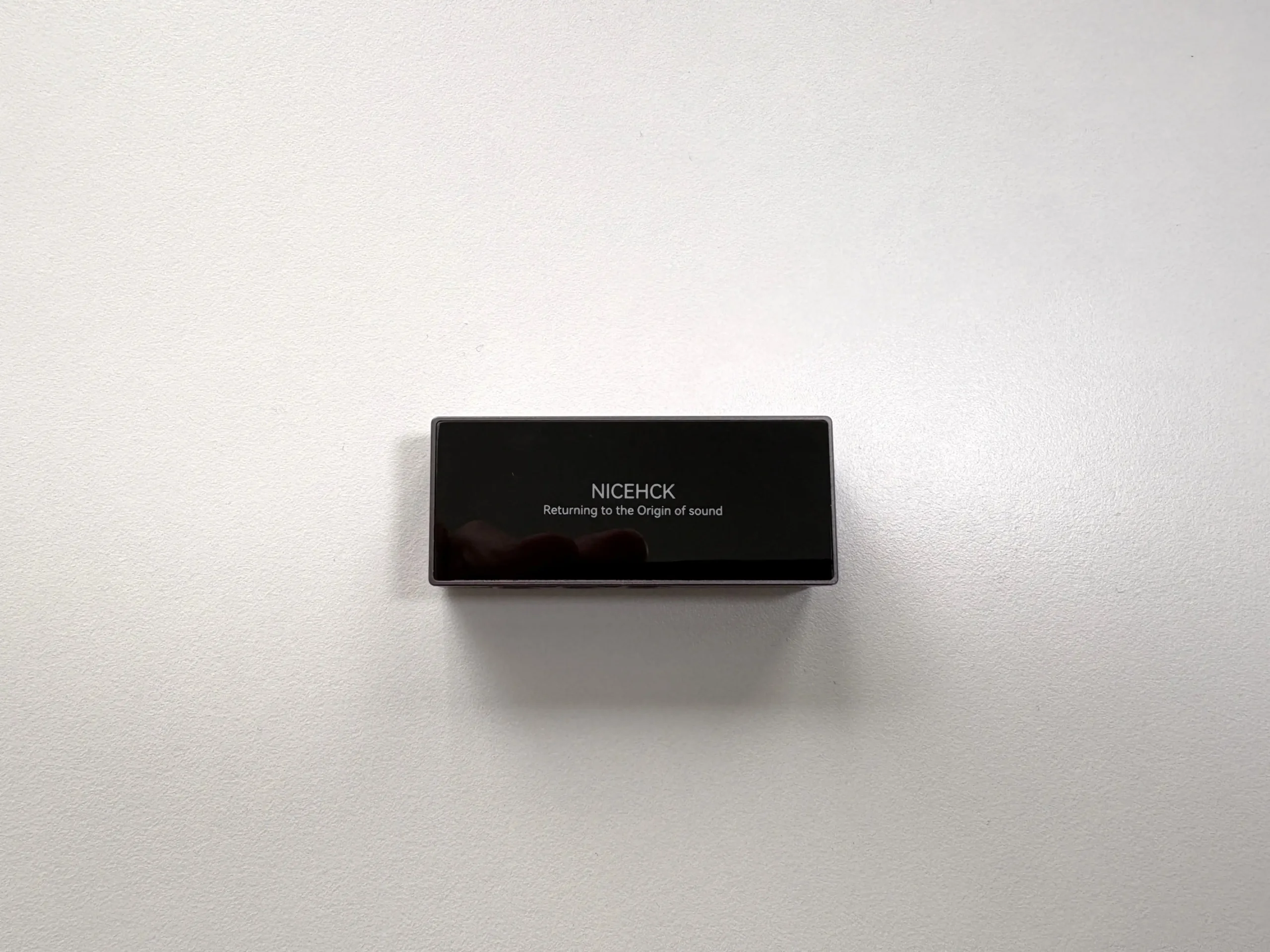
NICEHCK App
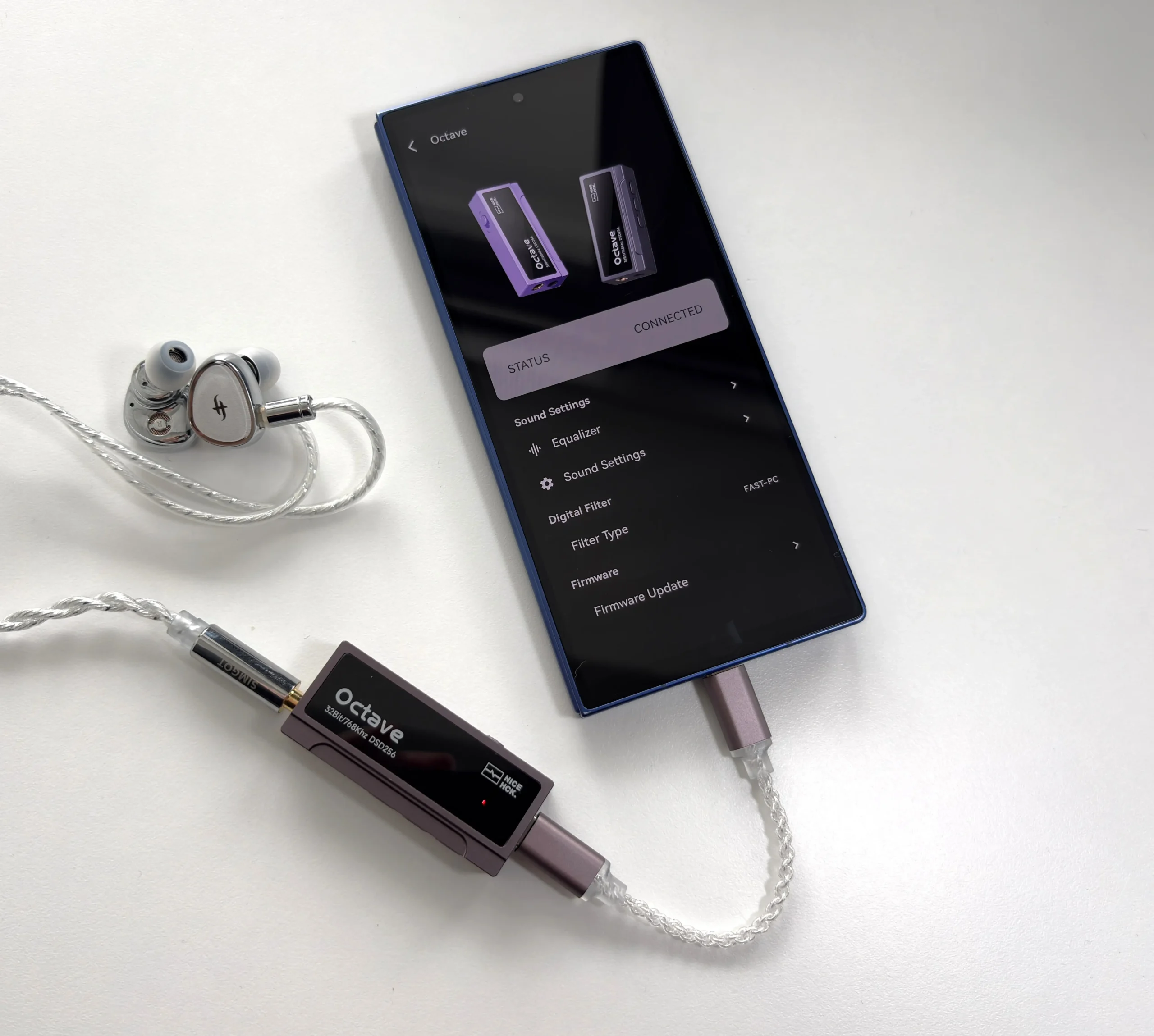
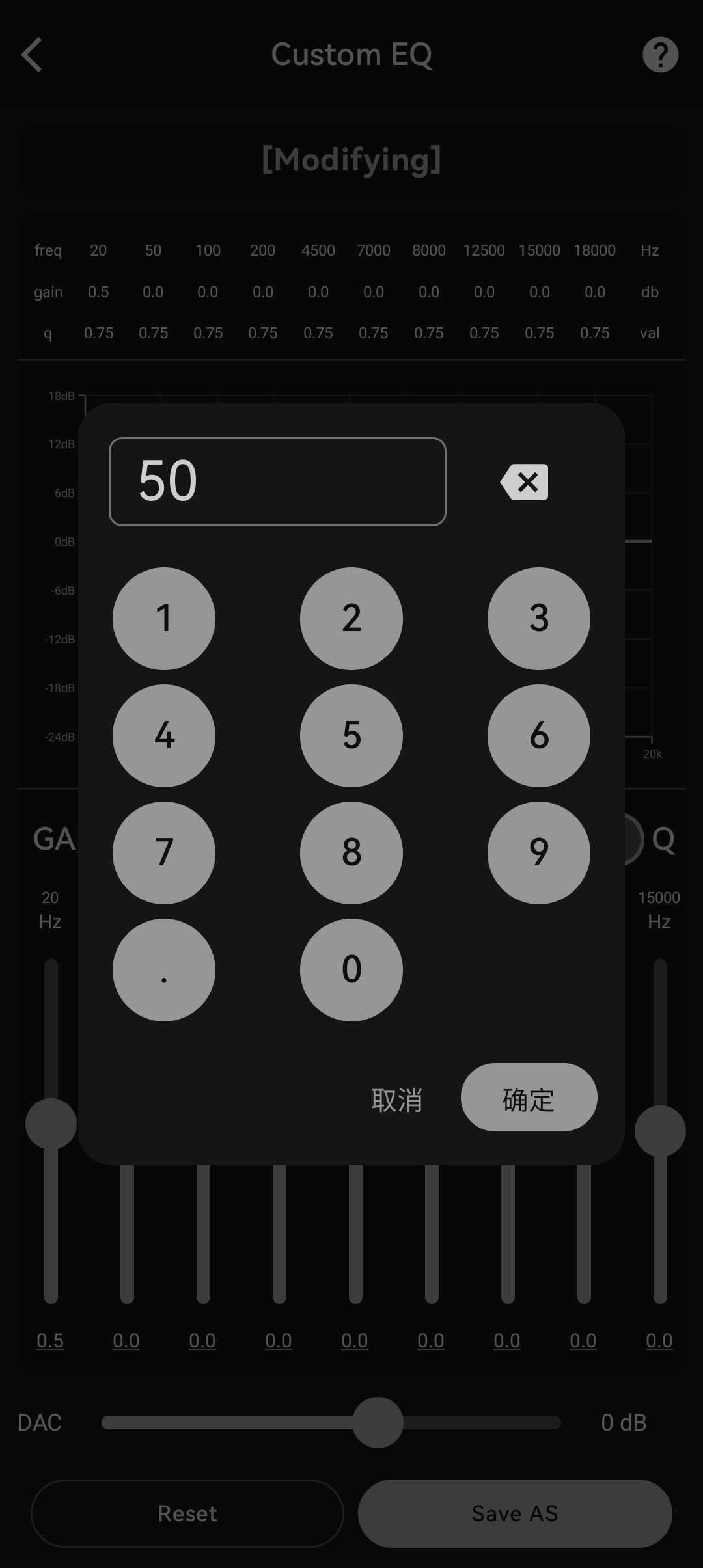
The NICEHCK app is simple and straightforward, which is exactly how companion apps should be. You are not overwhelmed with an unlimited number of settings, but instead are provided only with what makes sense. The app has a 10-band equalizer that allows you to modify the bands and Q value, as well as a pre-amp. Some of the app isn’t quite translated yet from Chinese, such as selecting Ok or Cancel in the EQ screen. You also have five digital filters to choose from:
- Fast-LL
- Fast-PC
- Slow-LL
- Slow-PC
- Non OS
It would be nice to have an explanation of each filter provided, but after trying them all, I settled on the Fast-PC filter, and sometimes the Non OS (non-oversampling) filter. The app also allows you to update the firmware of the Octave, and NICEHCK has been pretty responsive when it comes to this.
The app is available for Android and iOS, but only the Android app works with the Octave (most likely due to the lack of MFi certification). So, if you use Apple products, you are not able to change any of the settings for the Octave or use the EQ. Here are some screenshots from the app.




Output Power

The balanced output delivers substantially more headroom at 550mW versus 150mW for the single-ended output, both at 32 ohms. This configuration will comfortably drive the majority of IEMs and portable headphones, though the balanced connection demands considerable power from source devices.
Testing the NICEHCK Octave with various gear revealed some interesting pairings. Sensitive IEMs like the Campfire Audio Iris and Simgot EA1000 benefit from low-noise power stages, while demanding headphones like the Sennheiser HD 660S2 only reach proper volume through the 4.4mm socket. High-impedance headphones, including the Sennheiser HD 620S and planar headphones like the HIFIMAN Edition XV, do achieve comfortable listening levels on the 3.5mm single-ended output, so the Octave gives you a lot of flexibility.
Both outputs have zero issues with background hiss or noise, even when plugged into a laptop or desktop PC. Some portable DAC/Amps don’t isolate enough and allow electrical interference from the source device through, but that is not the case with the Octave.
Power Consumption
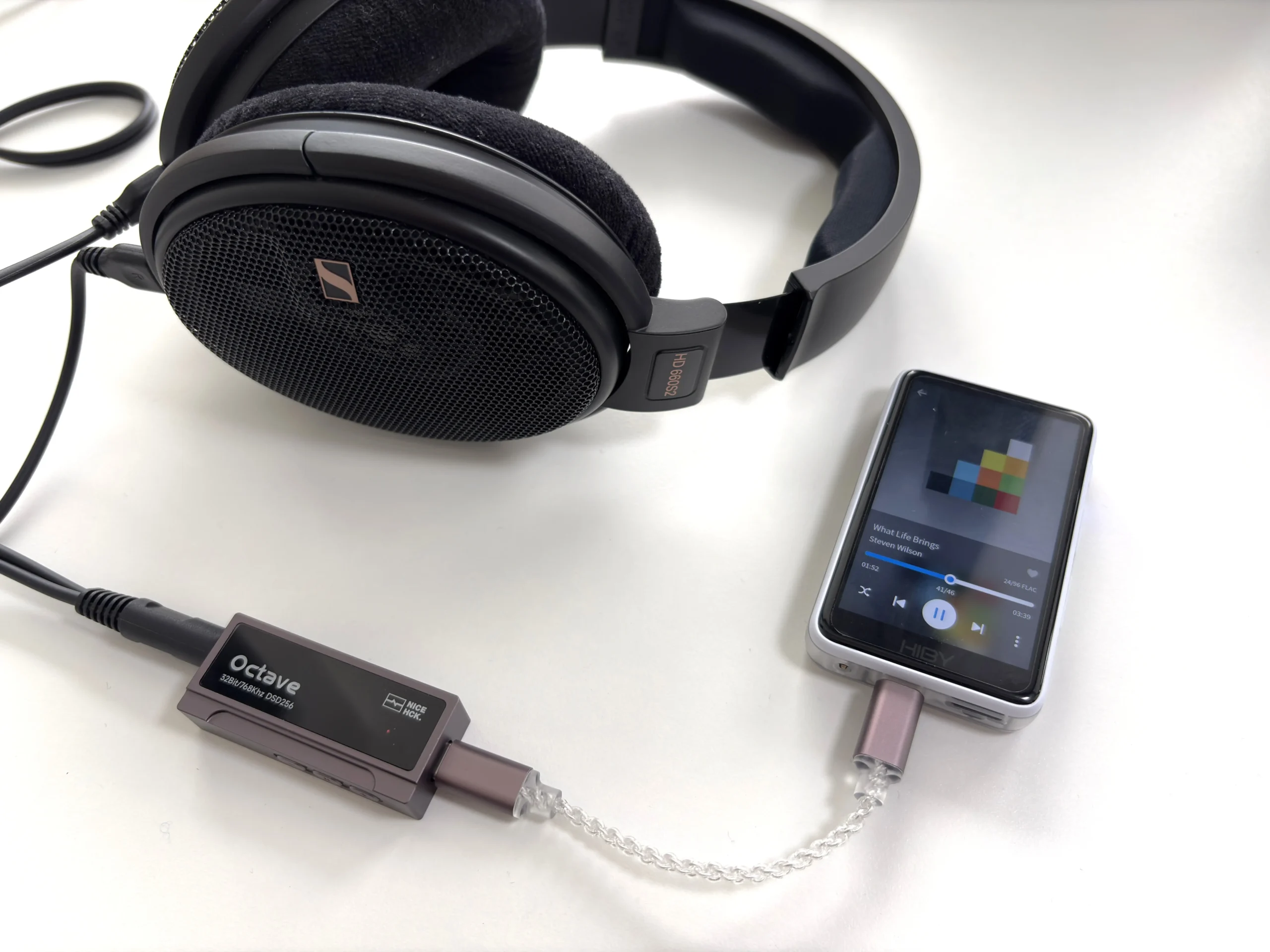
Battery drain varies quite a bit depending on your source device. During one-hour tests at medium-high volume with high gain enabled, my Samsung Galaxy Fold 7 only lost roughly 7% through the 4.4mm connection and 4% through the 3.5mm. My HiBy R1 DAP wasn’t quite as efficient, draining about 12% and 6%, respectively. Still, given the power in the Octave, I would classify it as fairly economical with the 3.5mm output, but a little more power hungry when using the 4.4mm balanced output.
Sound Quality
Headphones and IEMs used for this review:
- Campfire Audio Iris (3.5mm and 4.4mm)
- HIFIMAN Edition XV (3.5mm)
- Sennheiser HD 620S (3.5mm)
- Sennheiser HD 660S2 (4.4mm)
- Simgot EA1000 (3.5mm)
- ZiiGaat Horizon (3.5mm)
Links to my music playlist used for the majority of testing:
Spotify: https://open.spotify.com/playlist/6QSIhuCBDAUyoWGcyxPeN8?si=c0a4eb6bd3e3421e
Apple Music: https://music.apple.com/ca/playlist/hifi-oasis-audio-testing/pl.u-lKWlcjy04xp
Qobuz: https://open.qobuz.com/playlist/39521747
Tidal: https://tidal.com/playlist/503485c7-7f3d-43f0-b904-4b9a89c33875
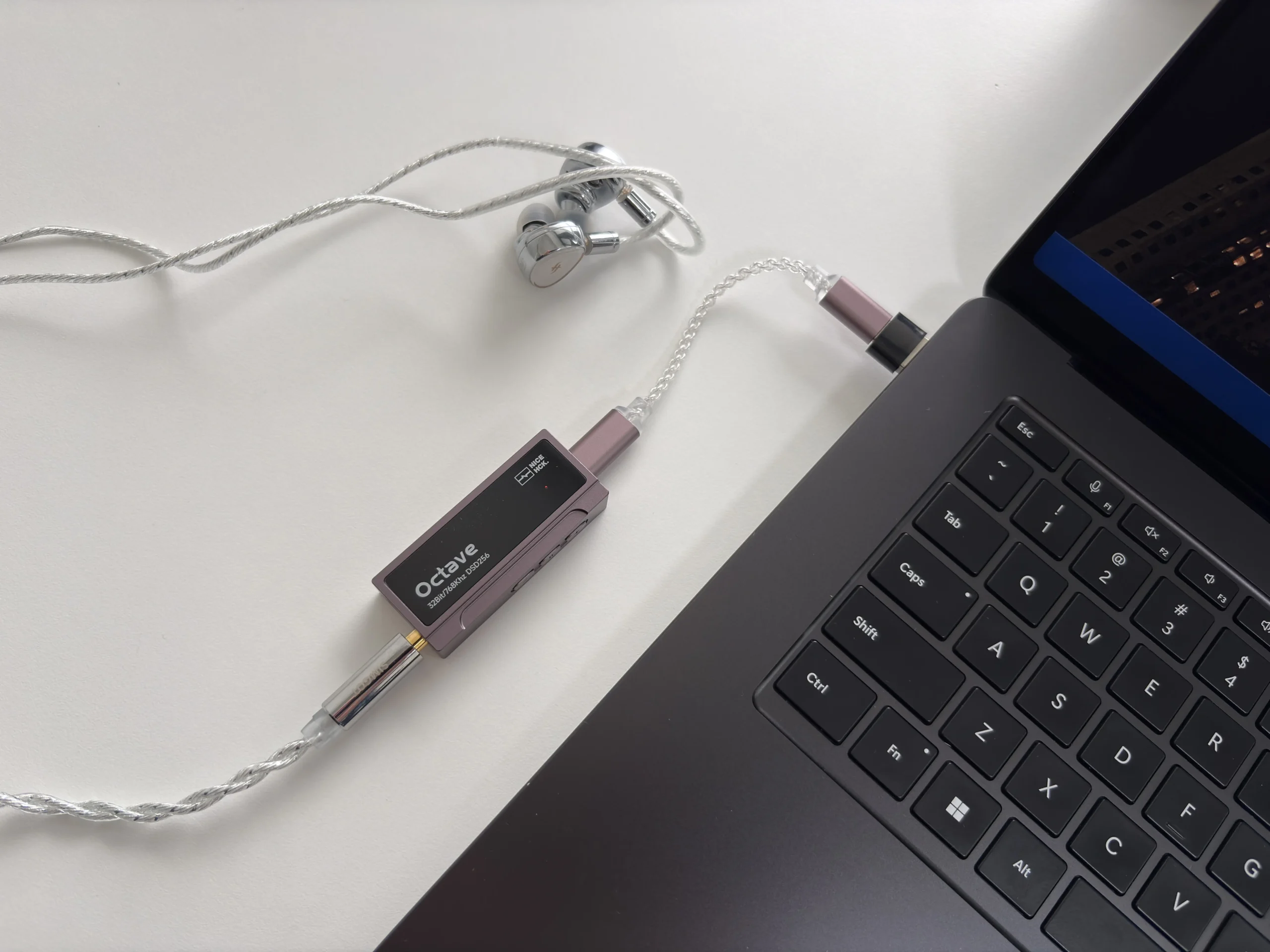
The NICEHCK Octave took me a few listening sessions to really understand what it was trying to accomplish. This isn’t a dongle that immediately grabs you with a colored presentation or exaggerated dynamics. Instead, it settles into a neutral to slightly warm region with controlled presentation, offering the kind of transparency that lets you hear your IEMs and headphones authentically.
If you pair that with the low noise floor and absolutely silent background, the Octave is an excellent way to hear your headphones or IEMs in a transparent way. This does mean that bright IEMs, for example, won’t have their treble tamed, which is great if you’re looking to hear things as intended, and not so great if you want to make them less sibilant without using EQ. It will all come down to your preference. Personally, I’m a big fan of the direction that NICEHCK took with the Octave’s tuning, as it lends itself to be quite versatile.
Final Thoughts
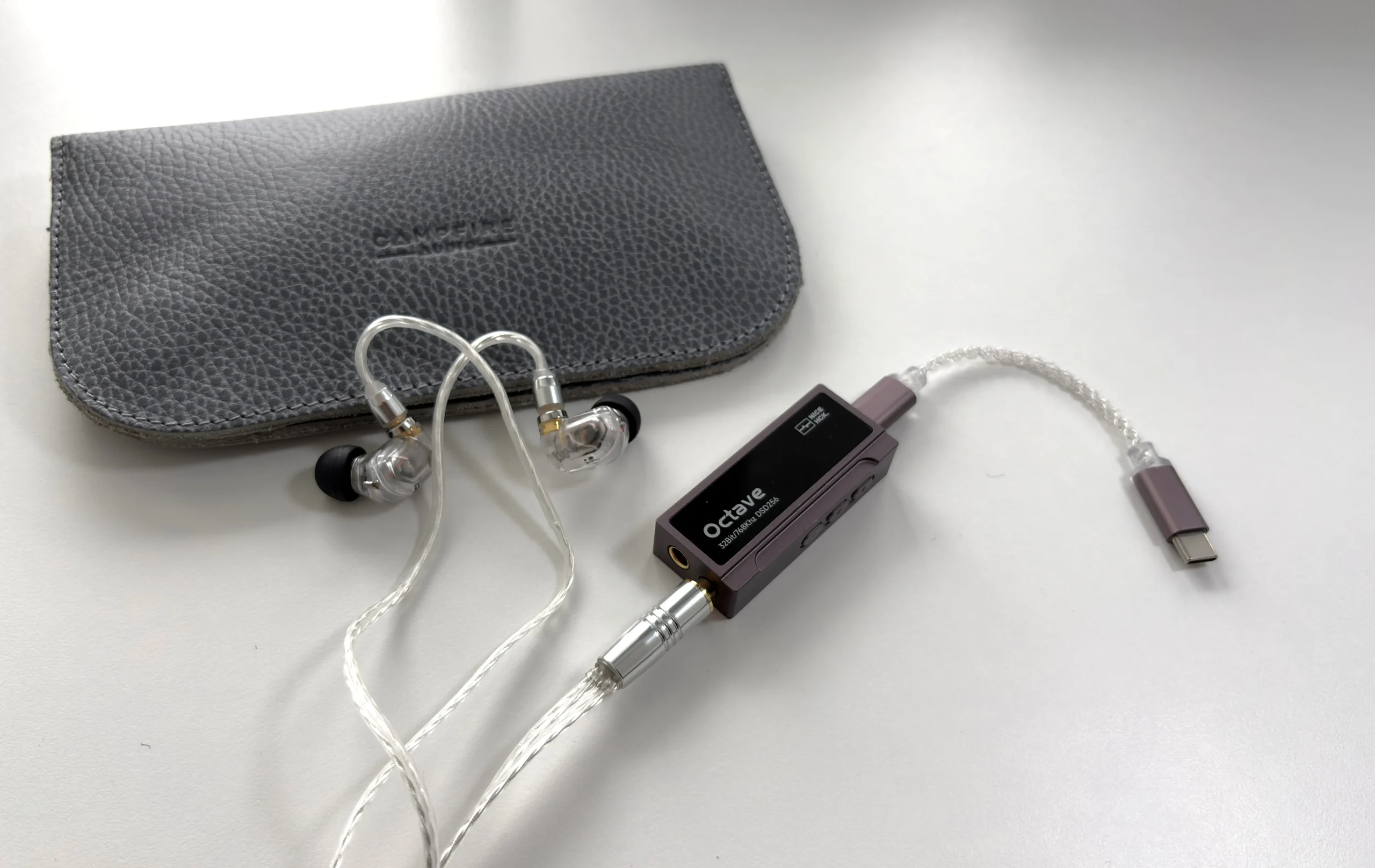
The NICEHCK Octave has spent a good amount of time now in my daily rotation, and I’m impressed with what $89 gets you here. That ES9039Q2M DAC paired with 550mW of balanced power punches well above its price, delivering clean, versatile sound that works across different IEM pairings. The build quality feels fantastic, and the neutral sound signature means you won’t be fighting against the dongle’s own coloration. Because of this, the Octave has actually become my most-used portable DAC/Amp.
The companion app, with its 10-band EQ, adds genuine value, even if there’s still some work to do on translating it to English.
My only gripe centers around usability details that could have been better executed. The gain switch without any visual indicators becomes frustrating when you’re switching between sensitive IEMs and harder-to-drive headphones. I always found myself testing by ear every time I used the Octave. A proper manual explaining the buttons and digital filters would have been nice.
Still, if you’re looking for a clean, neutral sound without spending $150+ on competing dongles, the NICEHCK Octave delivers real value here. It handles most headphones and IEMs you’ll throw at it, and the balanced output provides a lot of headroom when you need it.


Buy directly from NICEHCK Store: https://nicehck.com/products/nicehck-octave-es9039q2m-flagship-portable-dac
Buy from AliExpress: https://aliexpress.com/item/1005009810830810.html
Buy from Amazon: https://amzn.to/4rU95LK
The above links may be affiliate links. All commission earned through them goes directly to maintaining this site and bringing you more audio reviews.
I’m not always able to cover all the details of a product, both hardware and software, in our reviews. If you have any specific questions about this product, please feel free to leave a comment or contact me directly.
Be sure to check out our excellent Buyer’s Guides, as well as our other Reviews.
HiFi Oasis Verdict
HiFi Oasis Verdict-
Design & Build Quality8/10 Very good
-
Sound8/10 Very good
-
Features/Accessories7/10 Good
-
Value8/10 Very good
Pros
- Clean, neutral to slightly warm sound signature
- Very low noise floor with zero background hiss
- Powerful output: 550mW (4.4mm) / 150mW (3.5mm) @ 32Ω
- ES9039Q2M DAC with strong technical performance
- Includes high-quality silver-plated copper cable
- Premium look and feel (especially titanium finish)
- Compact and lightweight (25g)
- Companion app with 10-band EQ
- Good power efficiency on 3.5mm output
- Excellent value for money at $89
Cons
- No screen or visual feedback for volume/gain
- Gain switch lacks indicator (easy to forget position)
- Audible button clicks may be distracting
- Companion app only works on Android (no iOS support)
- Needs a proper manual to explain the digital filters, button combinations, etc
- Balanced output consumes noticeably more battery