




Disclosure: I’d like to thank Campfire Audio for providing me with the Iris for this review. All thoughts and opinions are my own, and Campfire Audio had no say or input on the contents of this review.
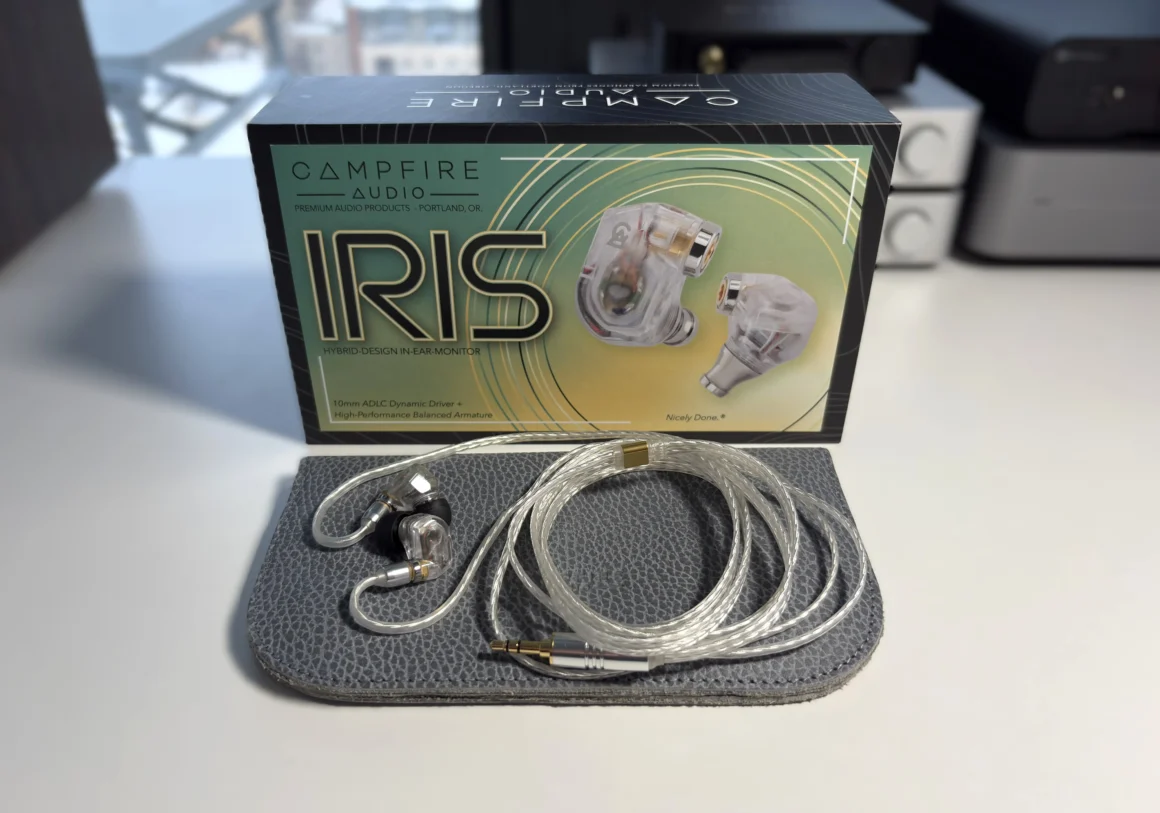
The Campfire Audio Iris is a compact, hybrid driver in-ear monitor positioned as an everyday carry. It sports a hybrid driver setup that combines a single 10 mm ADLC dynamic driver for the bass and midrange, with a dedicated balanced armature taking care of the treble. All of this is housed in a semi-transparent acrylic shell accented by a stainless-steel nozzle and MMCX connector. The Iris is priced at an MSRP of $349 USD, which is $100 higher than Campfire Audio’s lowest-priced offering, the Axion. At that price, you can get a lot in the IEM world, and the competition is much higher. Campfire Audio hopes to counter this by offering quality accessories and a solid execution of a fun, accessible sound profile that pleases both casual listeners and audiophiles. Will they succeed? Let’s get into the review and find out.
Key Specifications
- Product Page: https://www.campfireaudio.com/products/iris
- MSRP: $349 USD
- Type: IEM (in-ear monitor)
- Driver Type: 1x 10mm Dynamic Driver (DD), 1 x Balanced Armature (BA)
- Impedance: 14.8 ohms
- Sensitivity: 94 dB SPL @ 1 kHz- 17.26 mVrms (111 dB SPL/1 mW)
- Weight: 2.7 grams per earbud
- Connection: MMCX
- Detachable Cable: Yes
In the Box
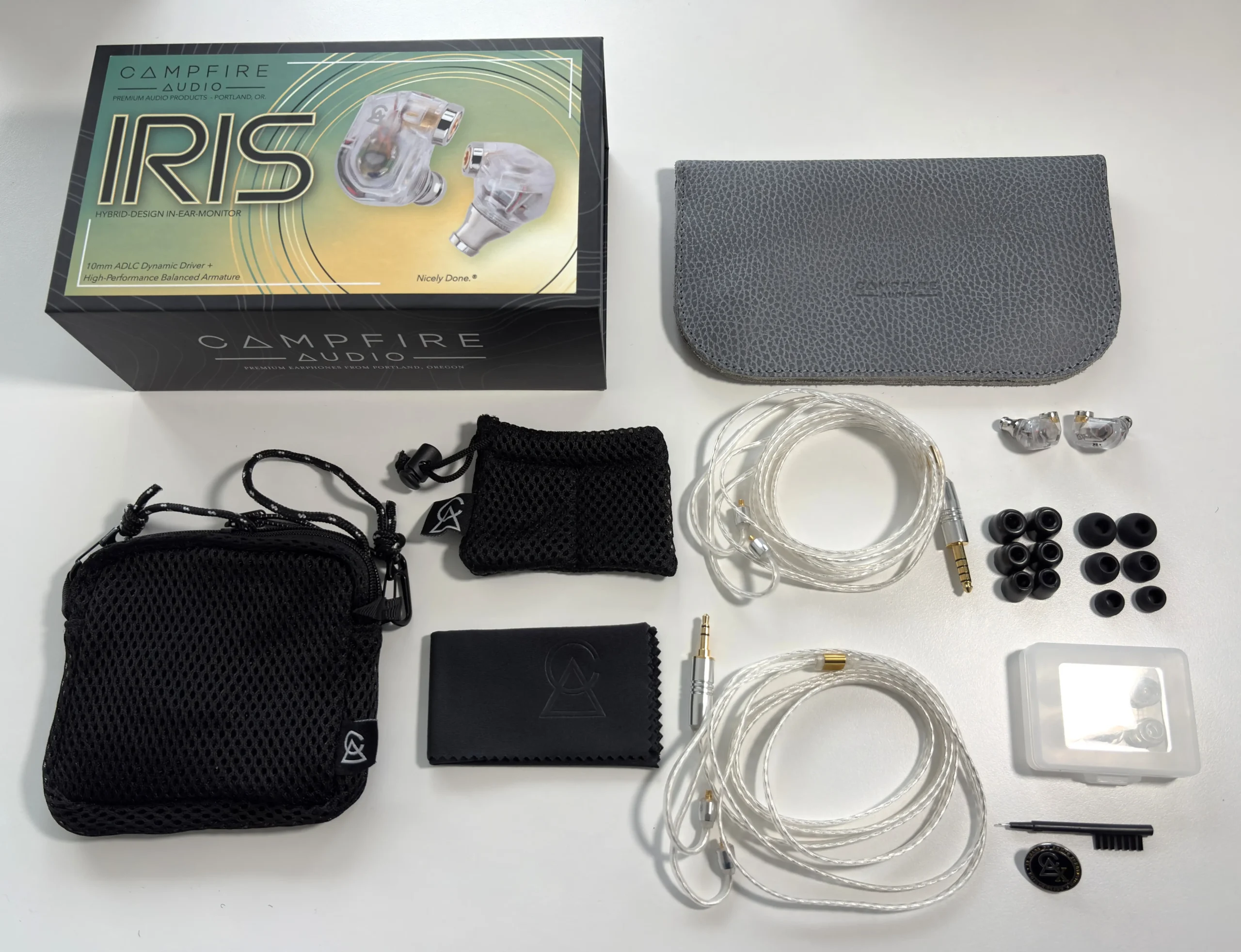
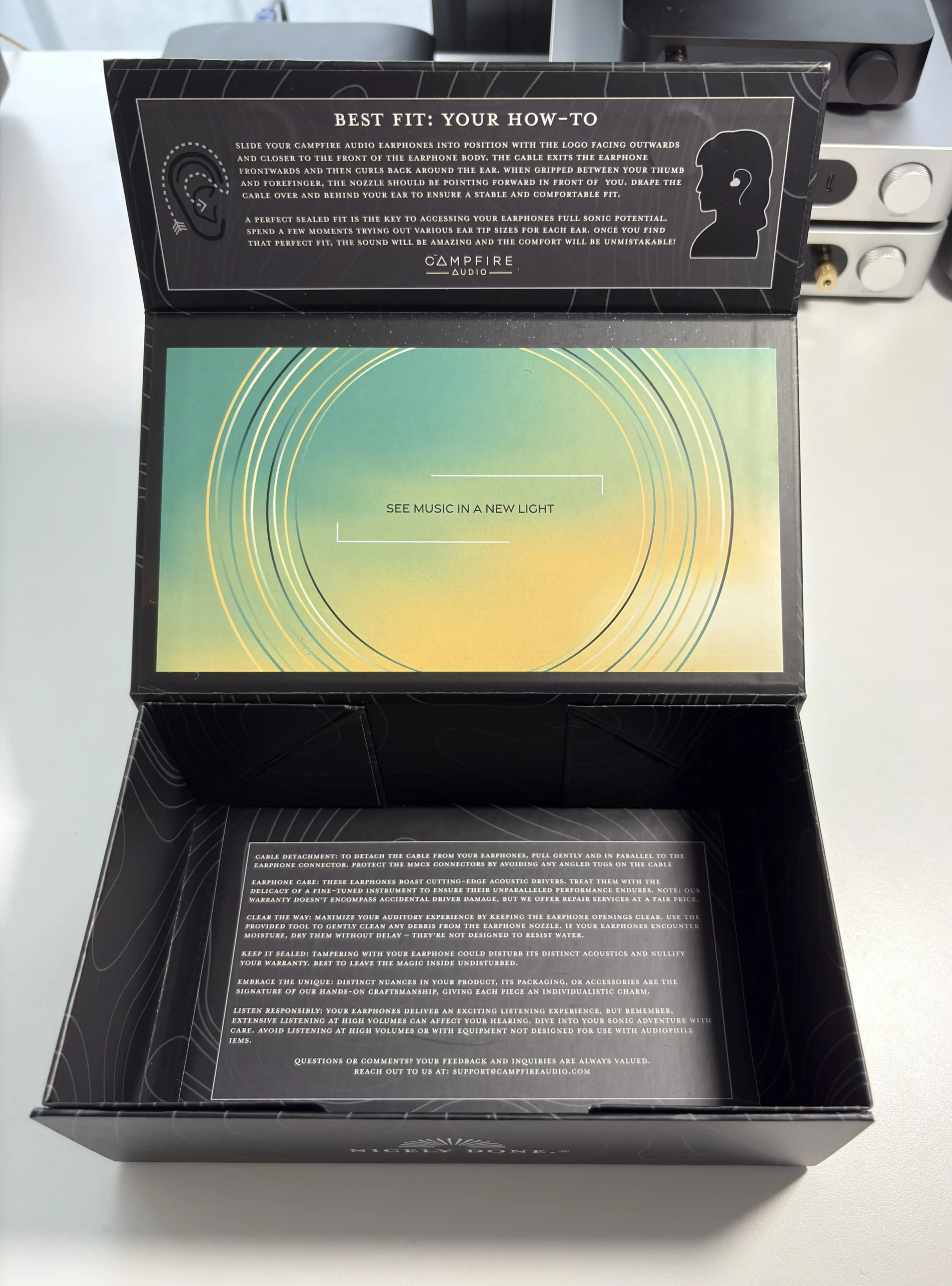
- Campfire Audio Iris
- Two Time Stream Metal Cables – 3.5mm & 4.4mm
- Gray Leather Wallet Case
- Breezy Bag Jr mesh zipper case
- Breezy Bag Micro two-pocket mesh pouch
- Foam Ear Tips (S/M/L)
- Silicone Ear Tips (S/M/L)
- High & Clear Silicone Tips (S/M/L)
- Microfiber Cleaning Cloth
- IEM Cleaning Tool
Design & Comfort
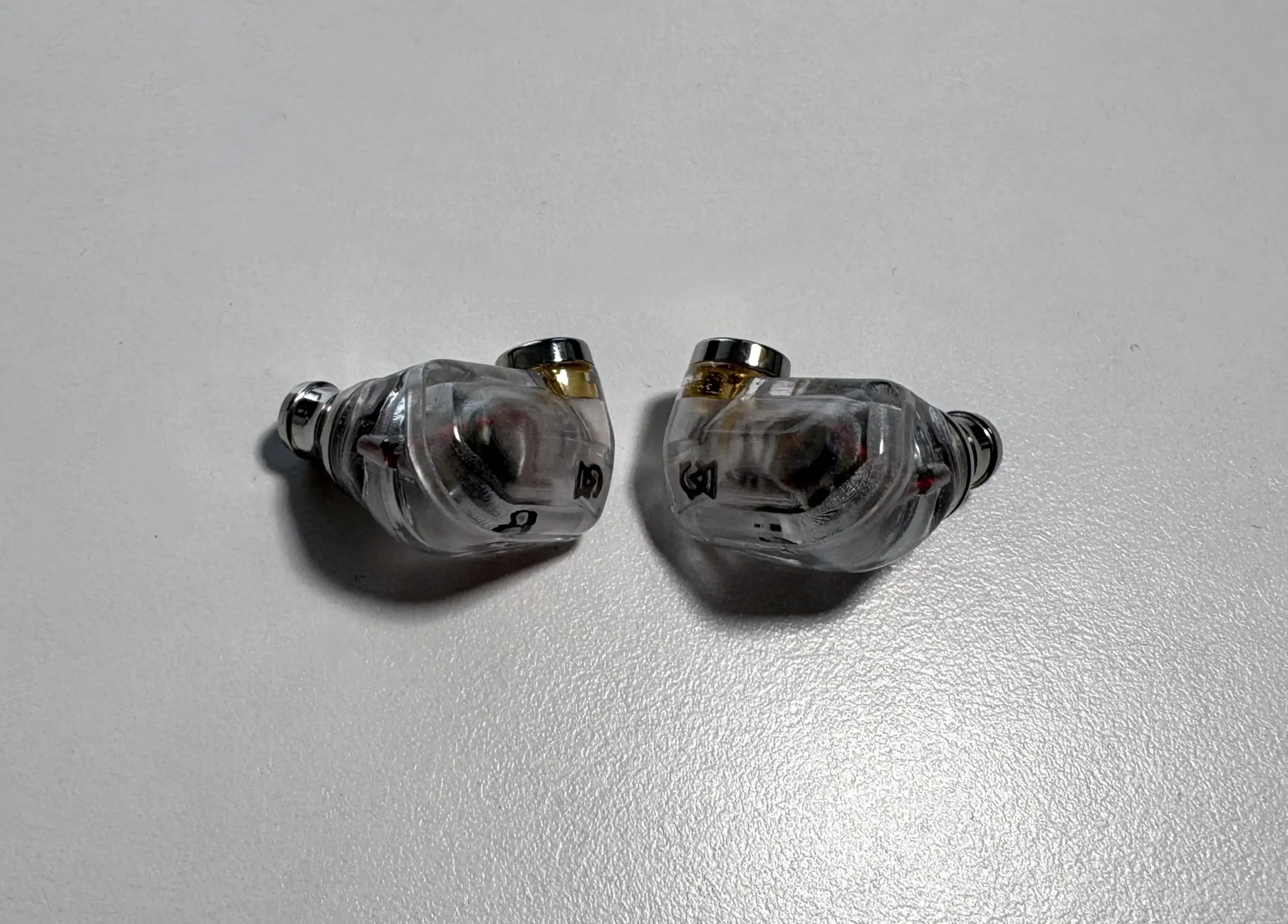
The Campfire Iris uses a semi-transparent, 3D-printed acrylic housing with stainless steel hardware (nozzle/MMCX connector), and a vented structure intended to balance air pressure for comfort and driver movement. The shell has sort of a frosted look, but doesn’t completely obscure being able to see the drivers inside the shell, which is a nice touch and gives the Iris more of an industrial “work-horse” aesthetic. The shell is also on the smaller and more compact side for an IEM, and has a fairly slim profile, which means they don’t stick out of your ears very much.
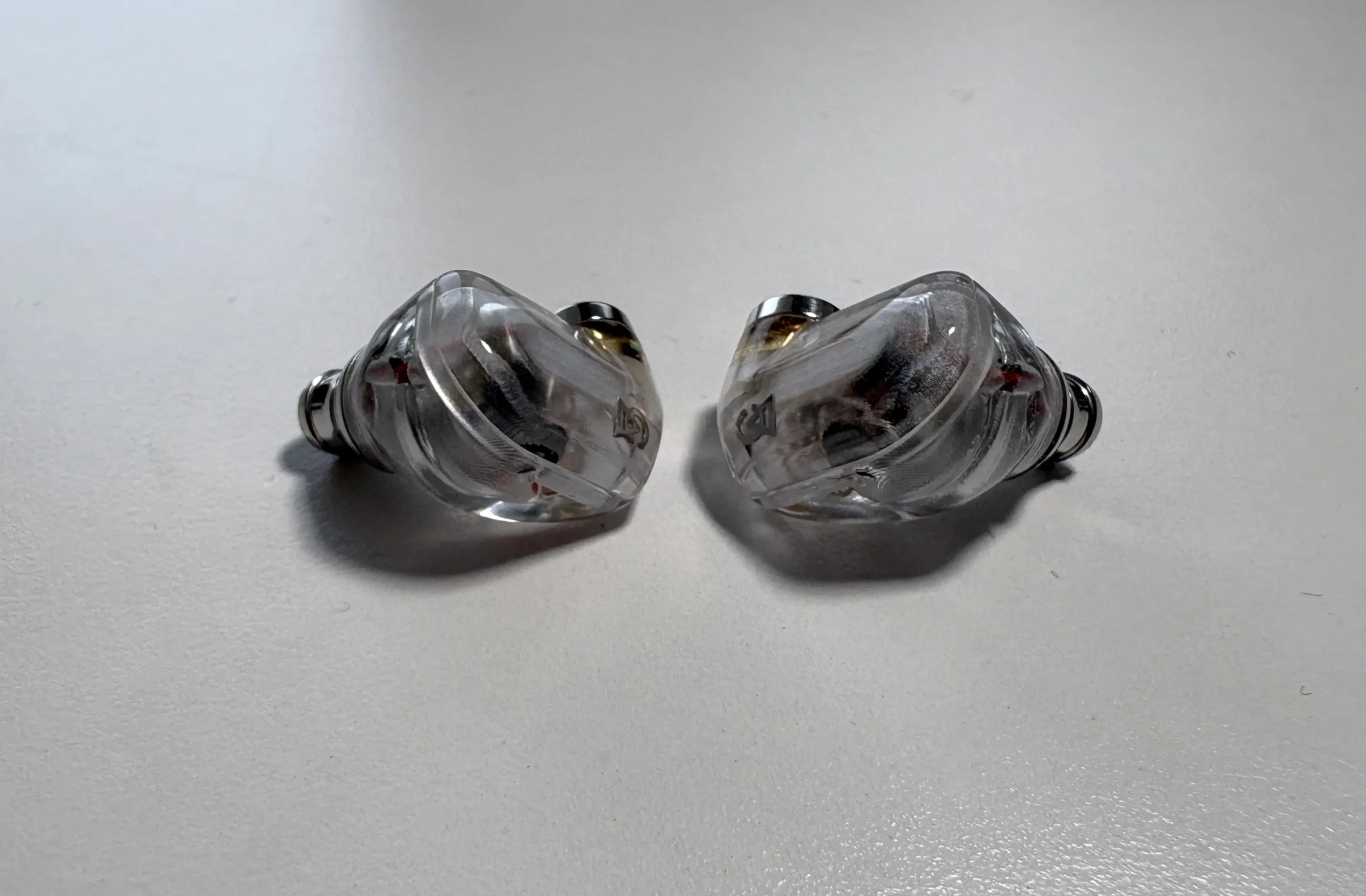
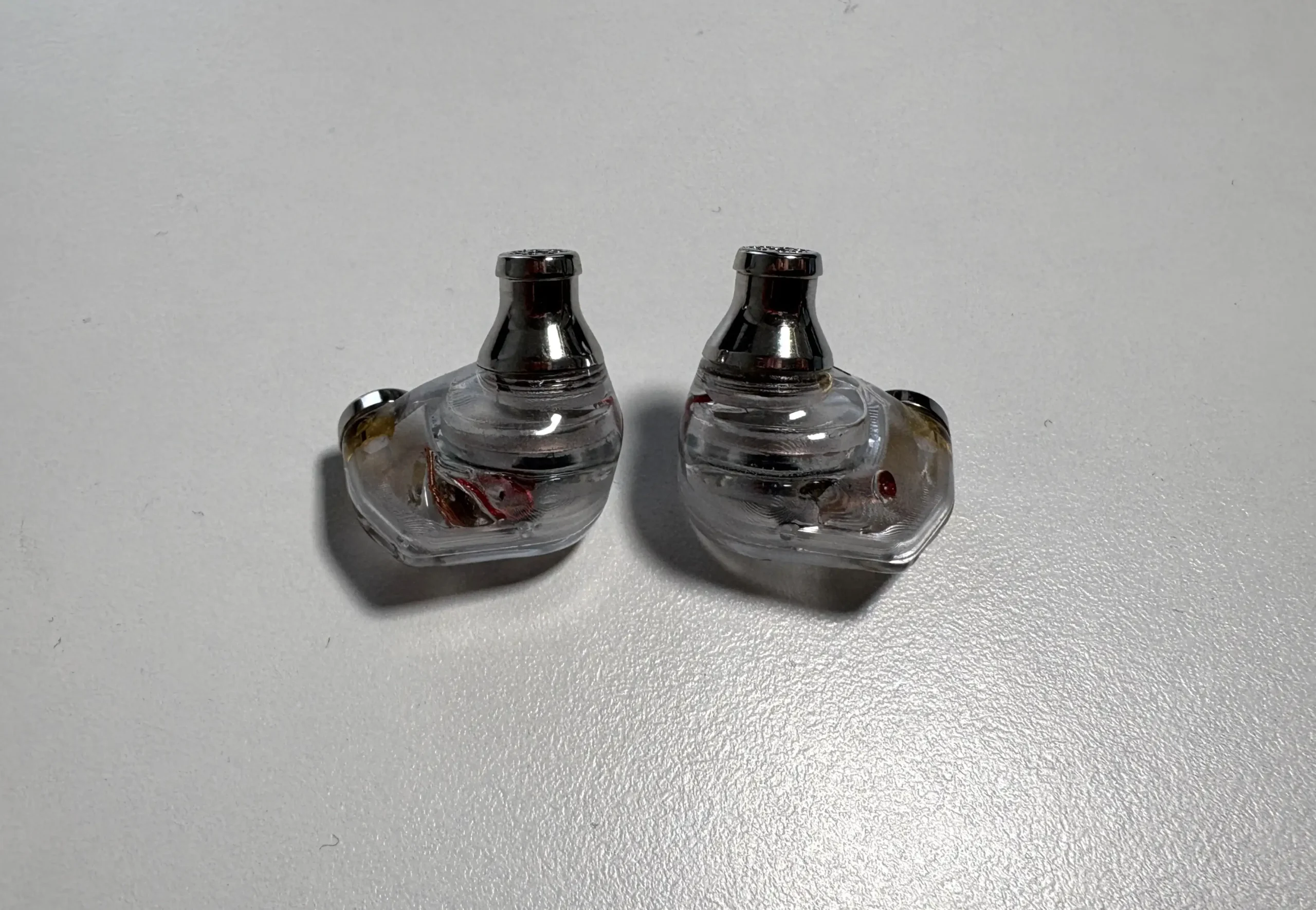
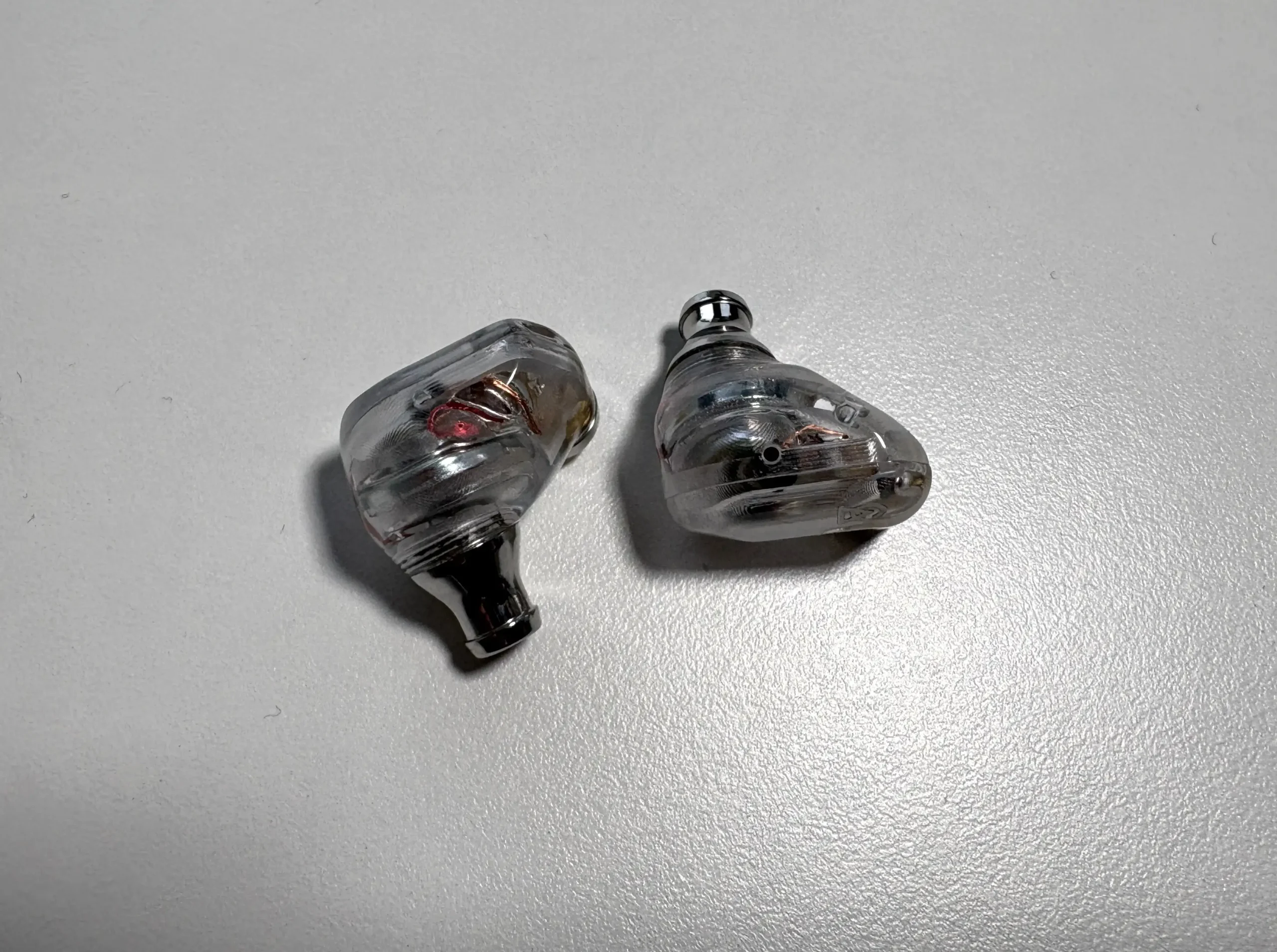


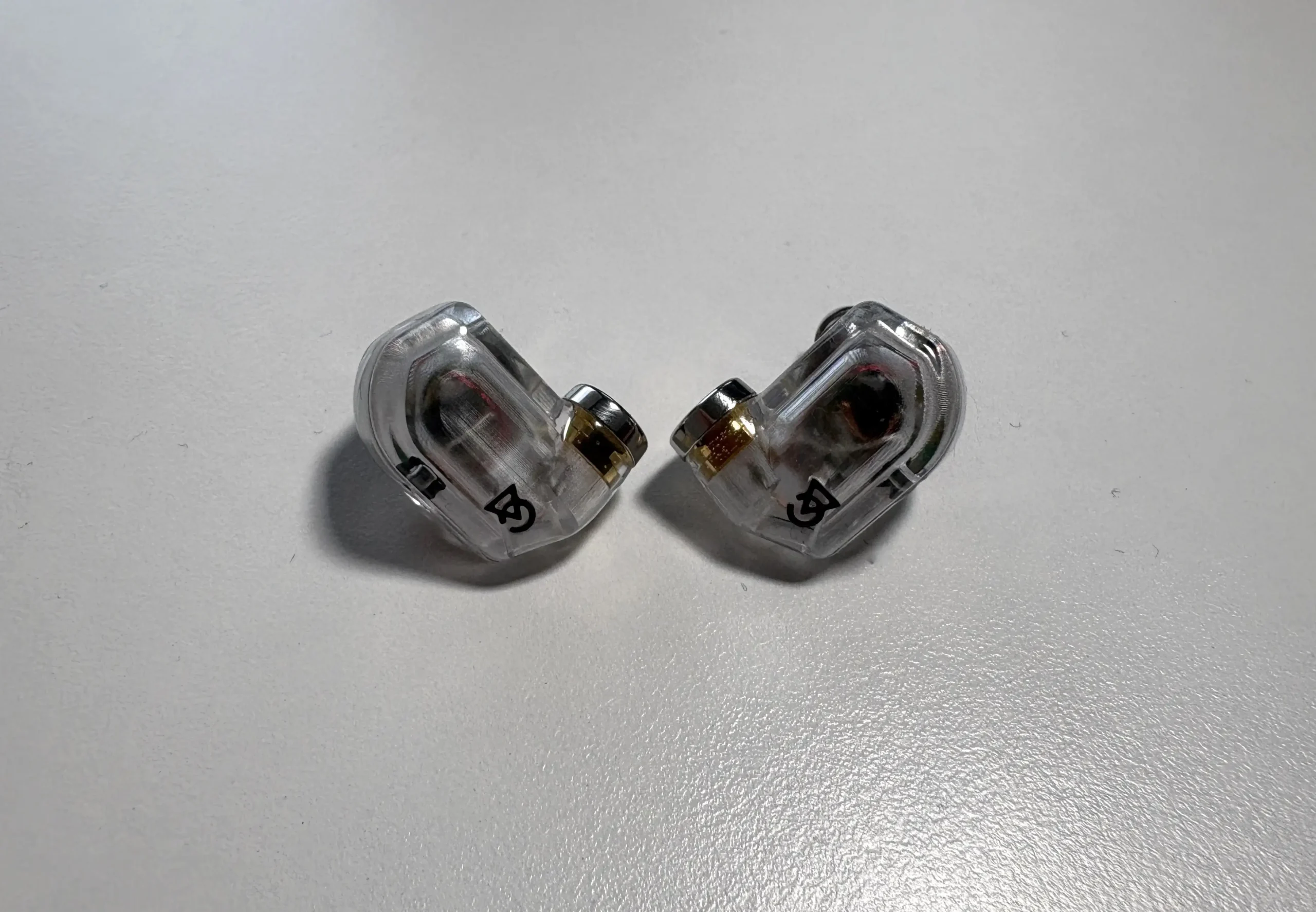
Fit-wise, the Iris is incredibly small and lightweight and will immediately suit listeners who dislike bulkier IEM shells. The shells fit snugly in my ear with an excellent seal and never moved about when I was walking around. Clearly, these were designed to be used as an everyday IEM as they are effortless to wear, and after a while, you tend to forget you are even wearing them. I would even say they are one of the most comfortable IEMs I have used so far. The nozzle is slightly shorter and wider than average, which meant I had to step up to medium-sized ear tips to fit my average-sized ears (for most IEMs, I usually use the smallest size ear tips). While she shells’ ergonomic design conforms nicely in the concha for me, the Iris is stabilized mainly by the nozzle, and I could see this as being an issue for larger ears if you don’t use the correct-sized ear tips.
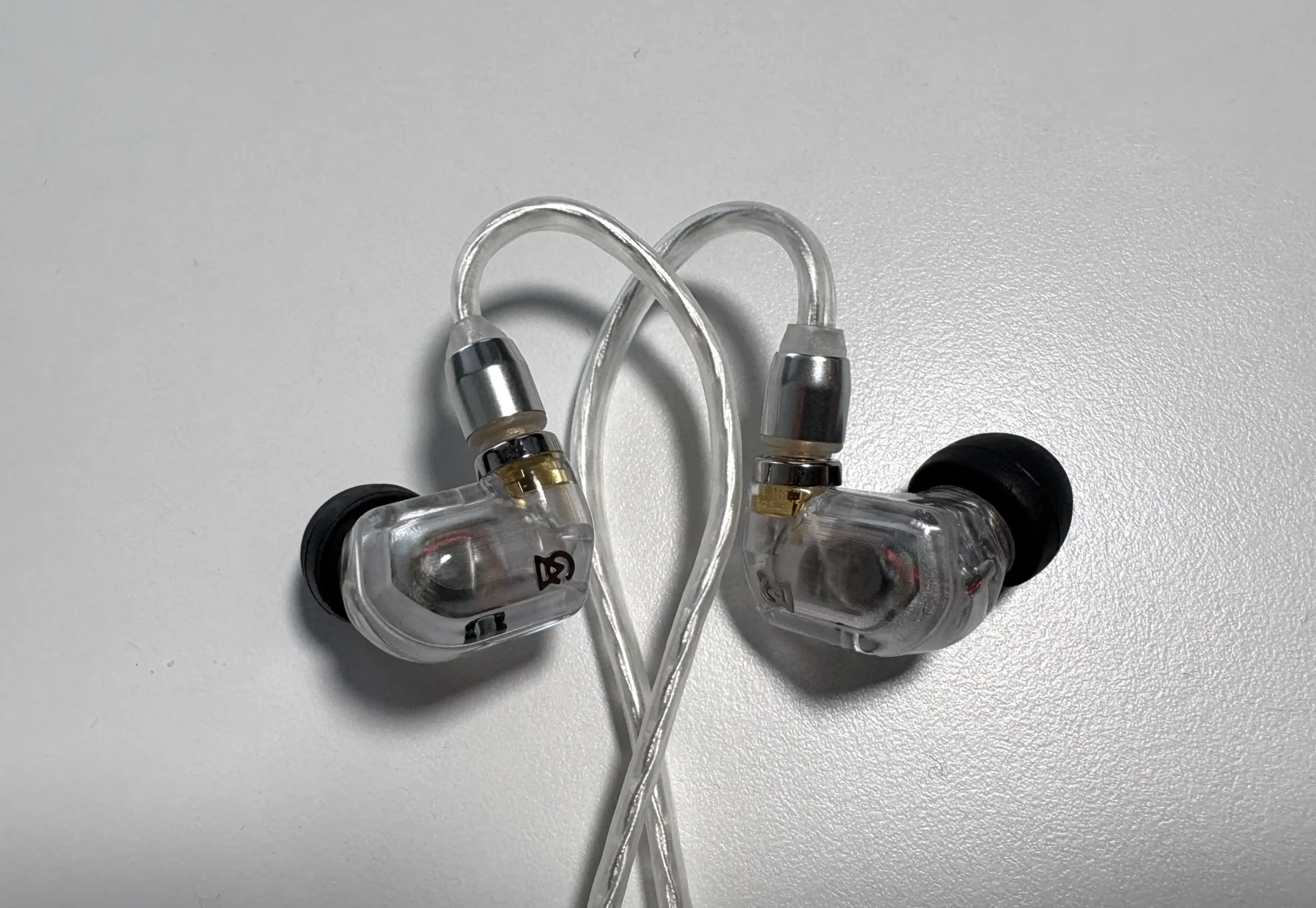
The Iris has decent passive noise isolation, and the core trade-off here is that the Iris is vented, and venting can reduce passive isolation versus fully sealed IEMs. That said, it does improve comfort/pressure management for long listening sessions. To my ears, I think Campfire Audio found the right balance between comfort and isolation, as I never felt any buildup of pressure in my ears, and if you want a bit more isolation, that’s what the foam ear tips are for.
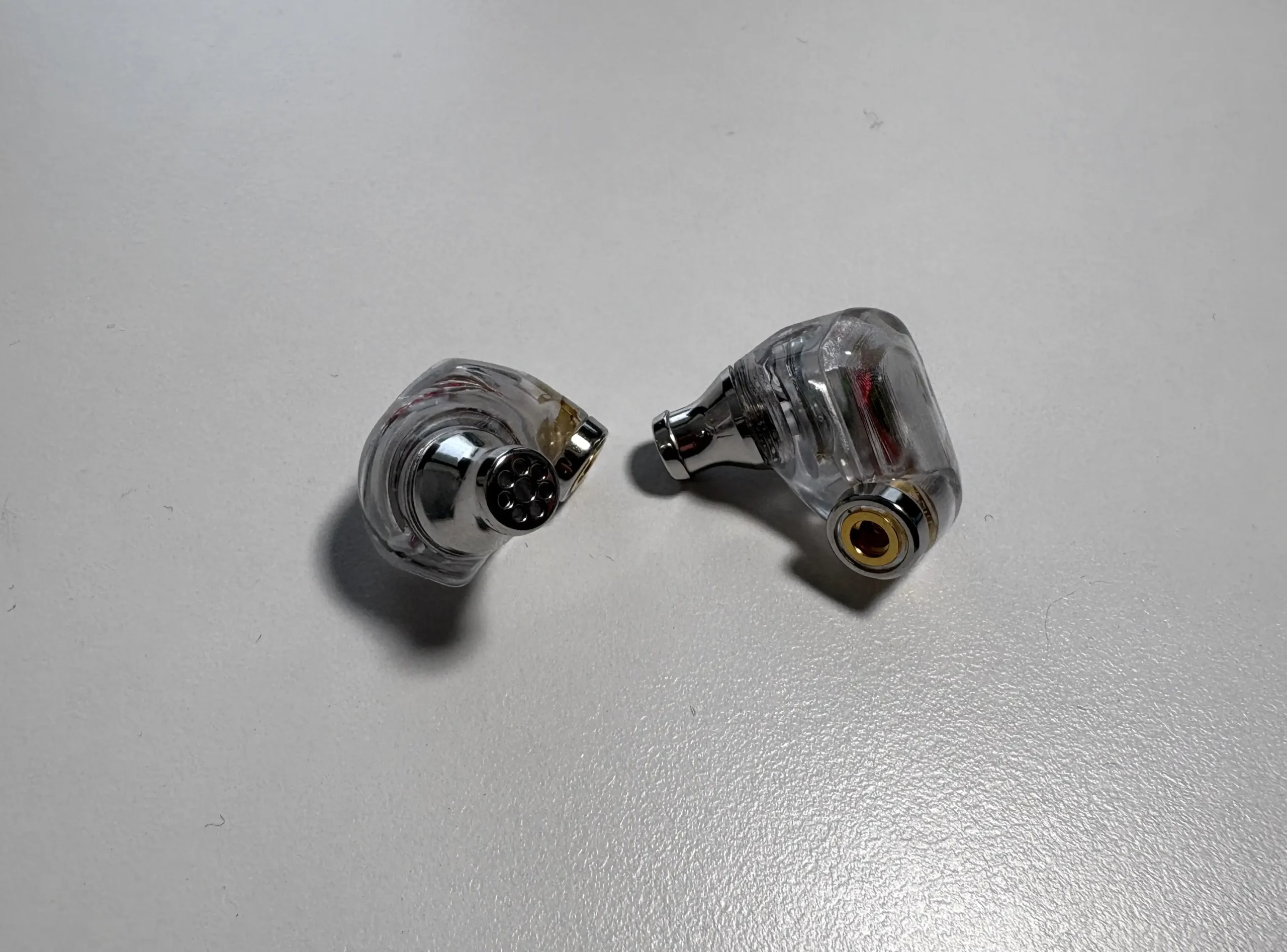


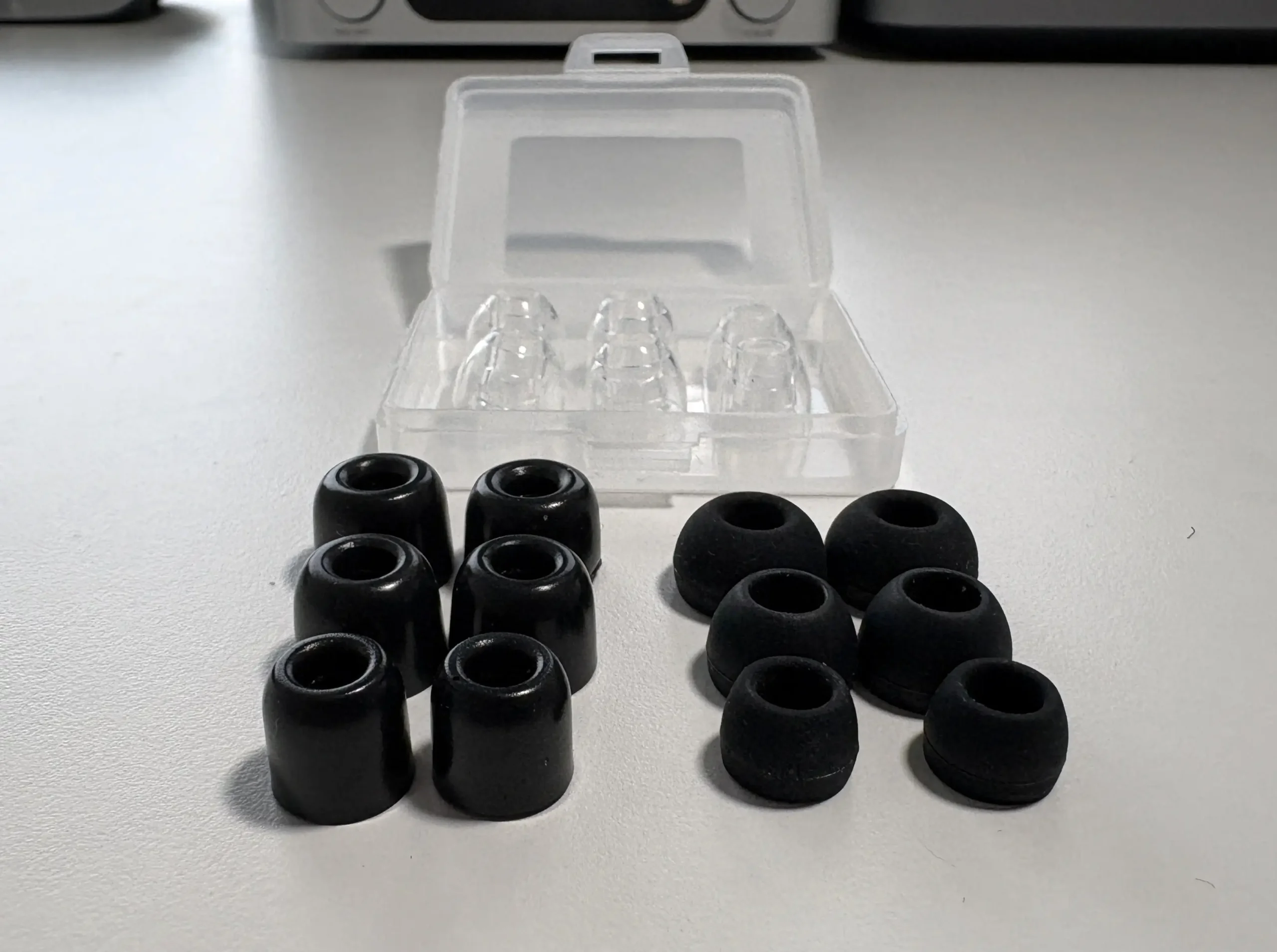
Speaking of ear tips, Campfire Audio includes a generous selection of tips with the Iris. You get a set of S, M, and L silicone ear tips, foam ear tips, and liquid silicone ear tips. I tend to switch between the medium-sized silicone ear tips and the small liquid silicone ear tips.
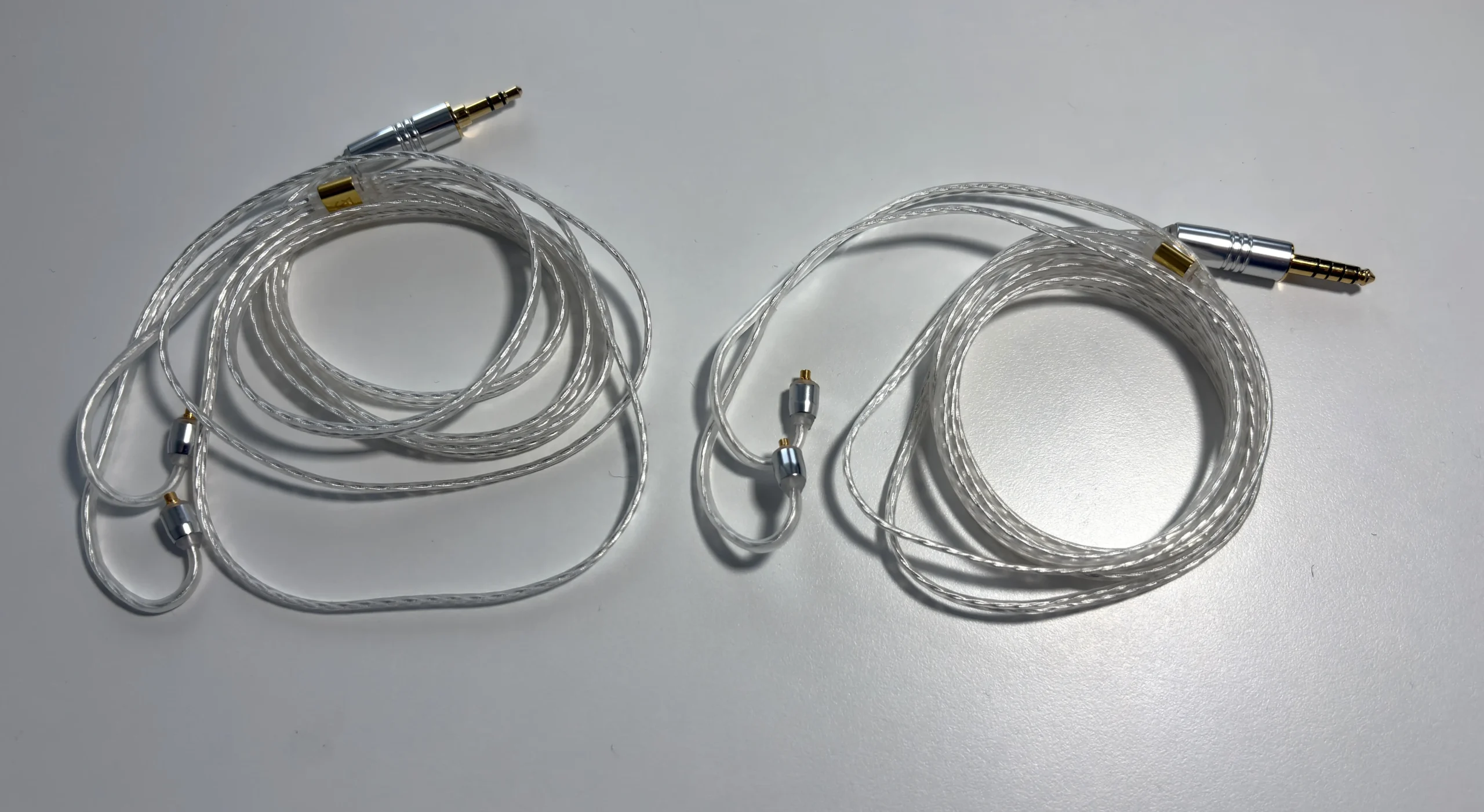
The included cables are also generous, given the price, as the Iris ships with two “Time Stream Metal” MMCX cables: one 3.5 mm single-ended and one 4.4 mm balanced. I’ve never been the biggest fan of the MMCX connector, as it tends to make it harder to cable swap (there’s always a fear that you’re going to break the connector when trying to separate the cable from the IEM), but I didn’t have too much of an issue here disconnecting the IEMs from the cables. The cables themselves consist of 4 strands and are flat and very light. They don’t tangle easily and have just enough rigidity to retain their shape without being stiff. Really, these are very nice cables, and the fact that you get two is an incredible value-add.
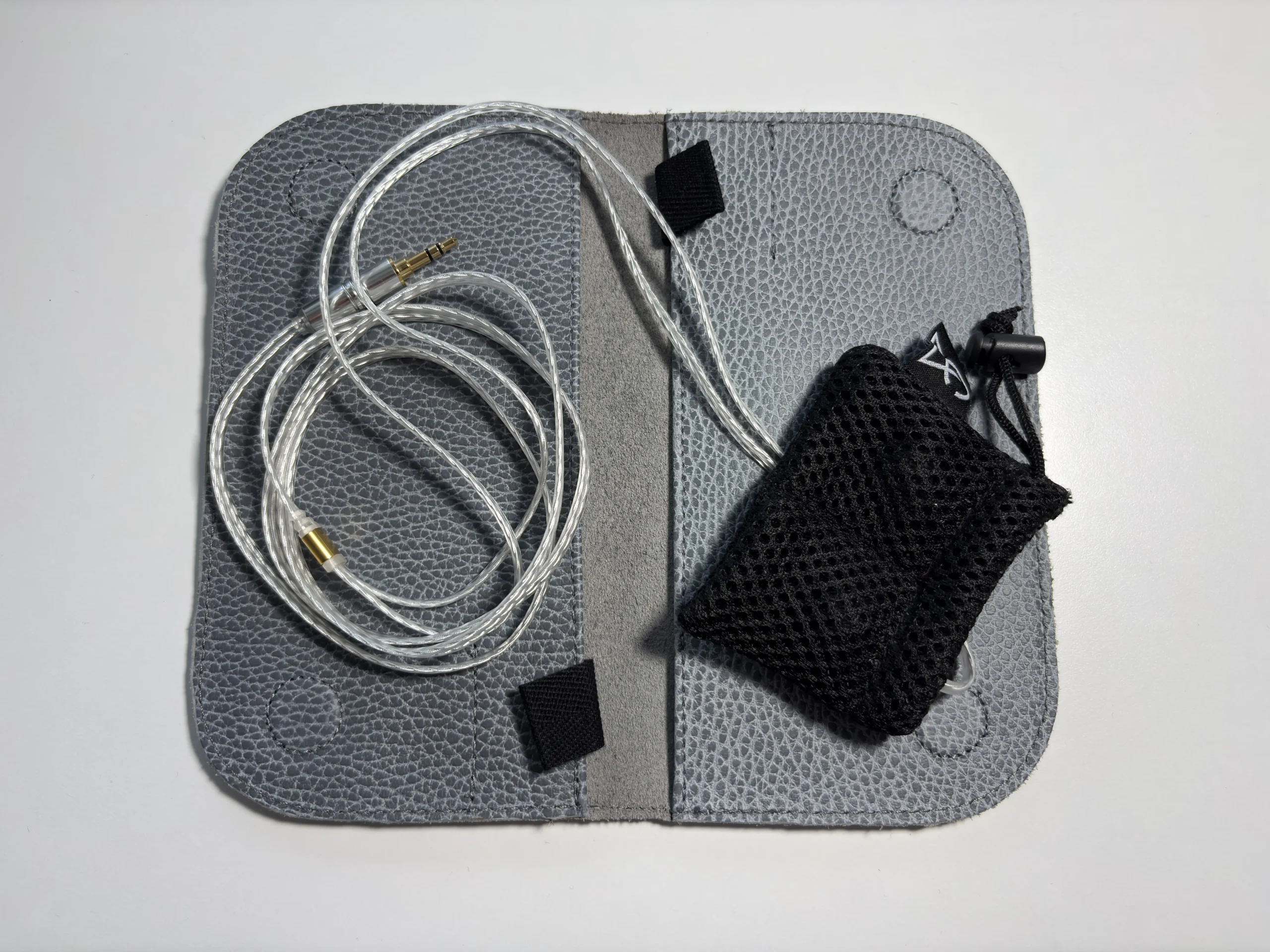
In terms of storage, it’s borderline elaborate here. The Iris includes a leather wallet case that is very light yet rugged. It has enough storage for the IEMs, a cable, and even an accessory like a USB dongle DAC. You also get a small, two-pocket mesh pouch to store the IEMs themselves, giving them further protection. This small mesh pouch also fits nicely in the leather wallet case. A larger mesh “breezy bag” zipper pouch is also included for storing the extra cable, as well as the ear tips if desired.
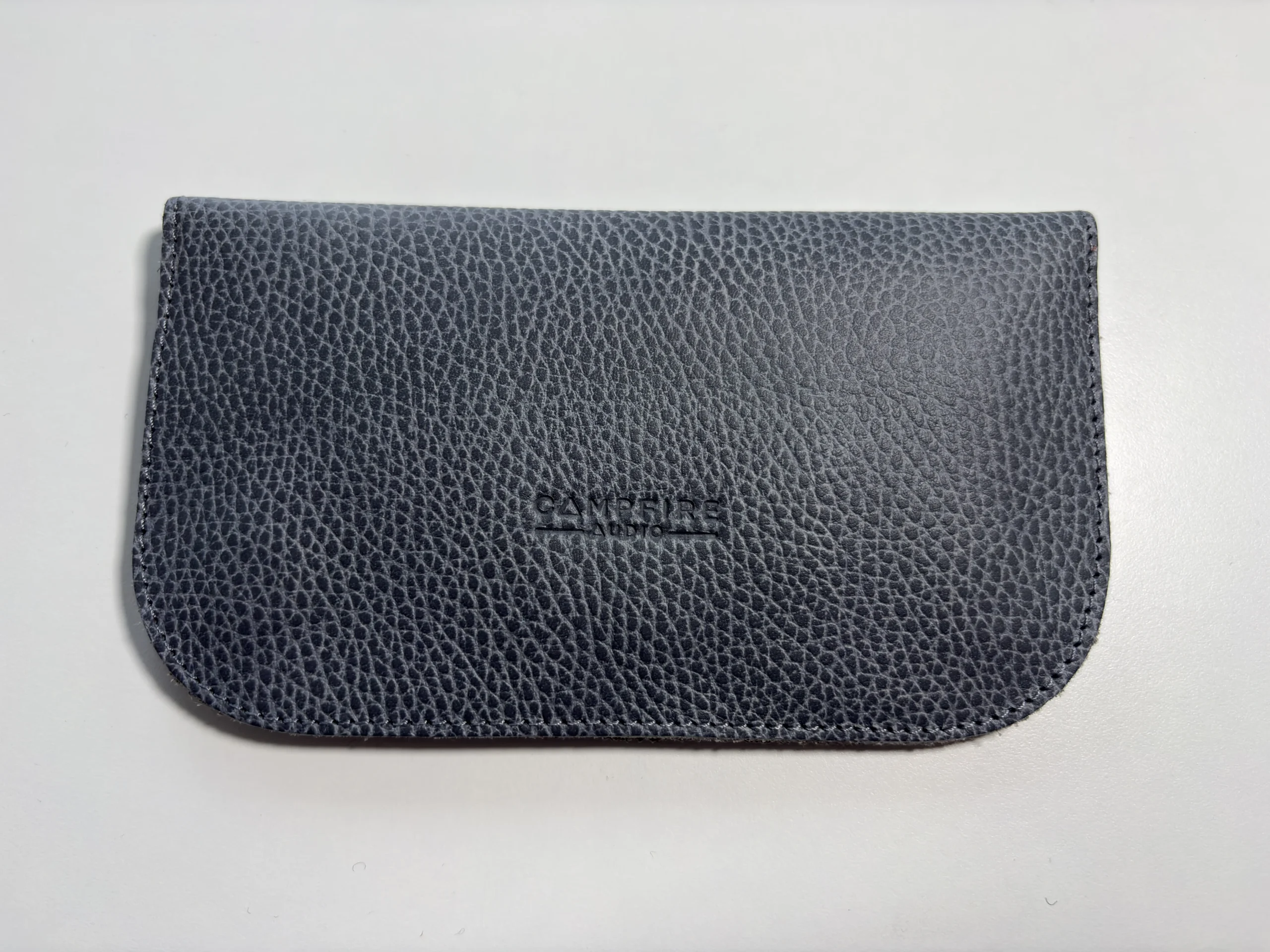
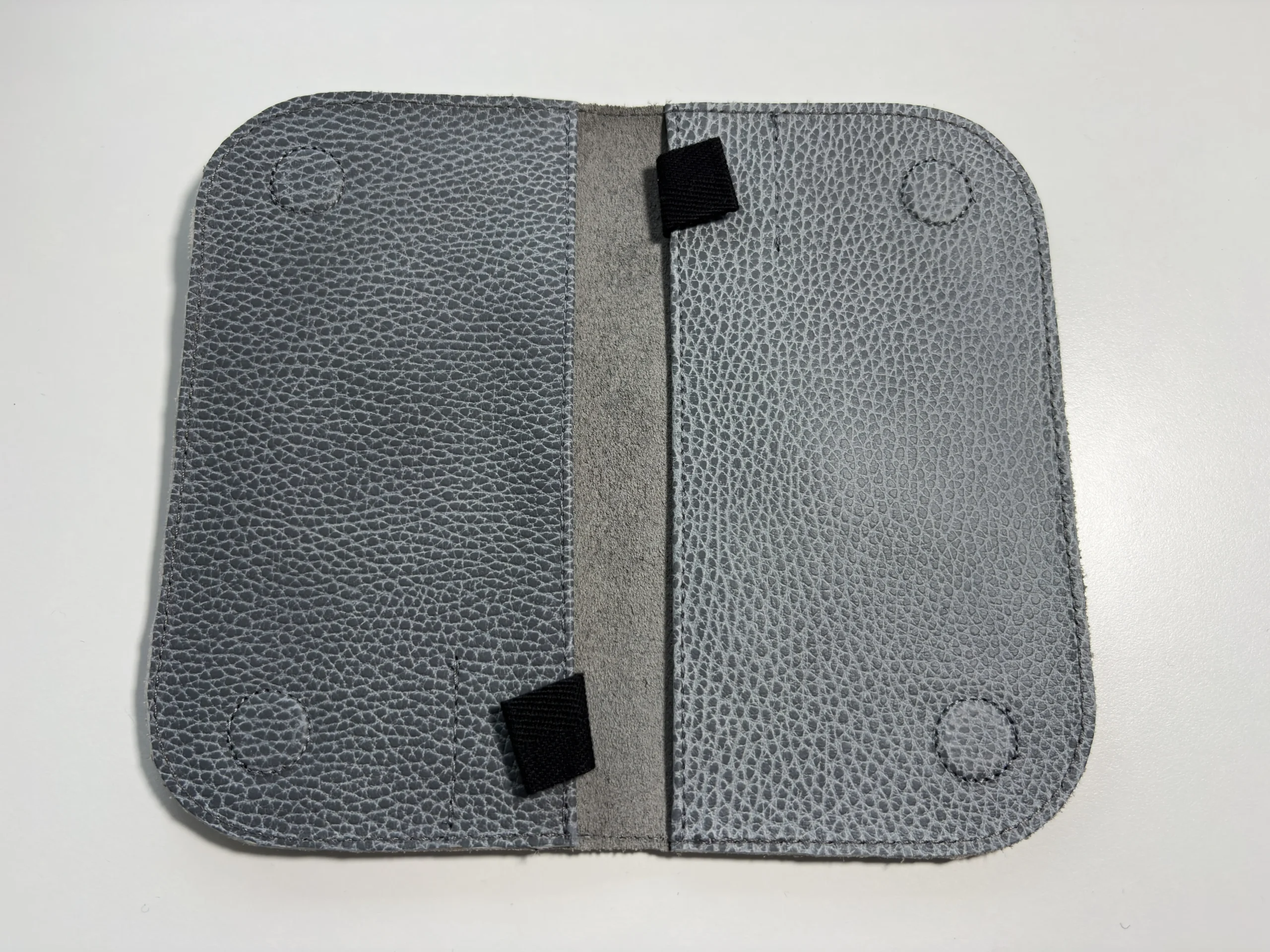


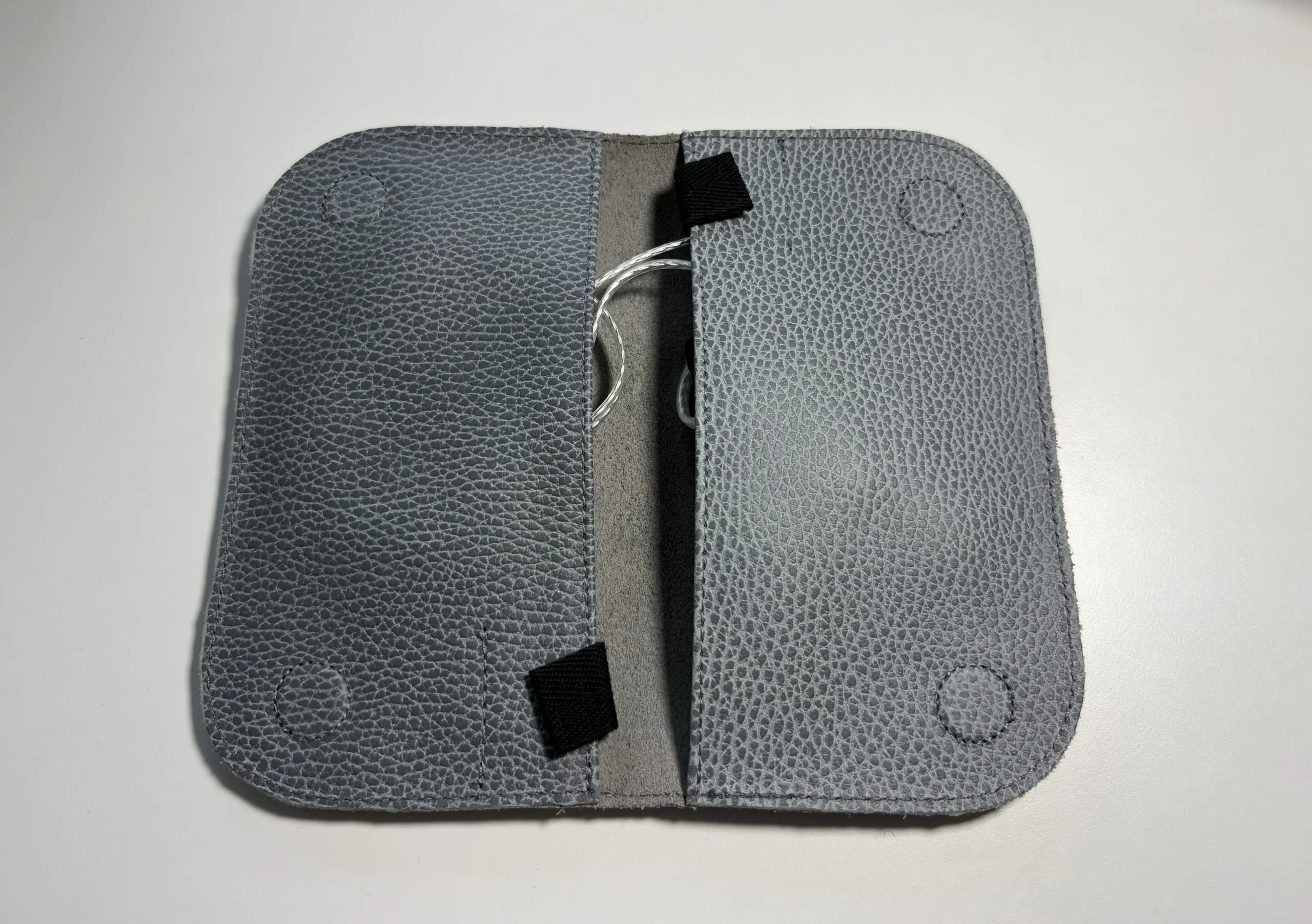
Other included accessories include a cleaning tool, a pin (for those who still collect them), and a microfiber cloth.
Efficiency and sensitivity
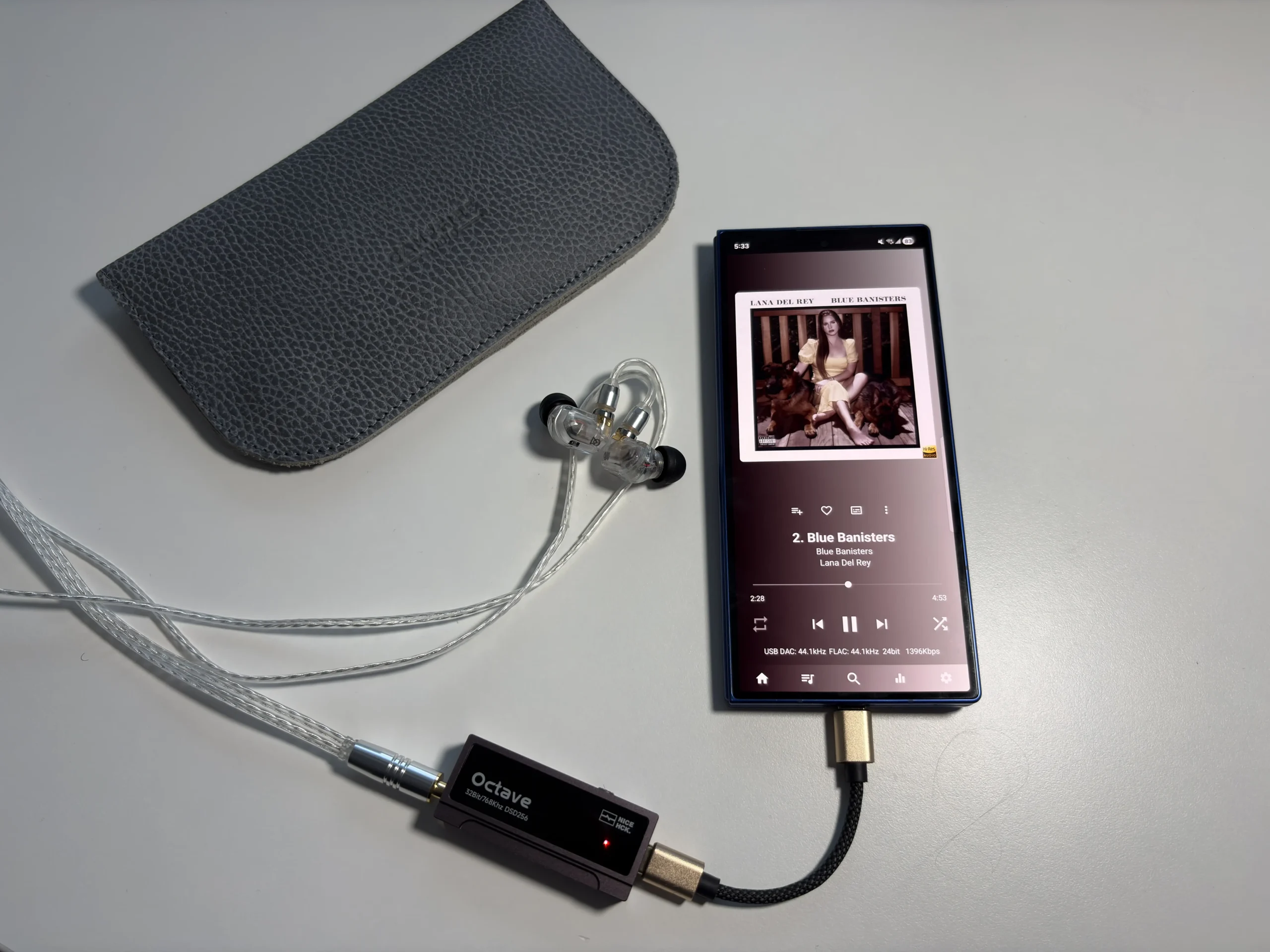
With an impedance rating of 14.8 ohms and a sensitivity of 94 dB @ 1 kHz – 17.26 mVrms (which translates to 111 dB SPL/1 mW ), the Campfire Audio Iris is incredibly easy to drive with most sources. These numbers do mean it is on the sensitive side, so if you have a source with a high noise floor or a higher-than-normal impedance rating, you will notice background hiss. Practically speaking, I only noticed background hiss when using the Iris with sources like the Surfans F20 digital audio player and the SnowSky TINY USB-C DACs, so with higher quality sources, hiss shouldn’t be an issue.
A widely used rule-of-thumb is that your source output impedance should be roughly 1/8 of your IEM’s impedance to minimize frequency response shifts when load impedance varies with frequency. With a 14.8 ohm impedance, that guideline confirms what I said earlier about source matching, and you should be aiming for a very low output impedance source (typically <2 Ω, ideally ~1 Ω or lower).
Since the Iris includes a 4.4 mm cable as well, I did test and confirm no noise floor or background hiss issues when using it with the majority of my sources.
The iris does scale slightly with better sources. The soundstage opens slightly, and the bass sounds a bit more controlled, with less bloom and sharper clarity.
Sound Quality
Sources used for this review:
- FiiO K13 R2R
- iBasso DX180
- iFi GO Link Max
- NICEHCK Octave
- ONIX Tocata XM2
Links to my music playlist used for the majority of testing:
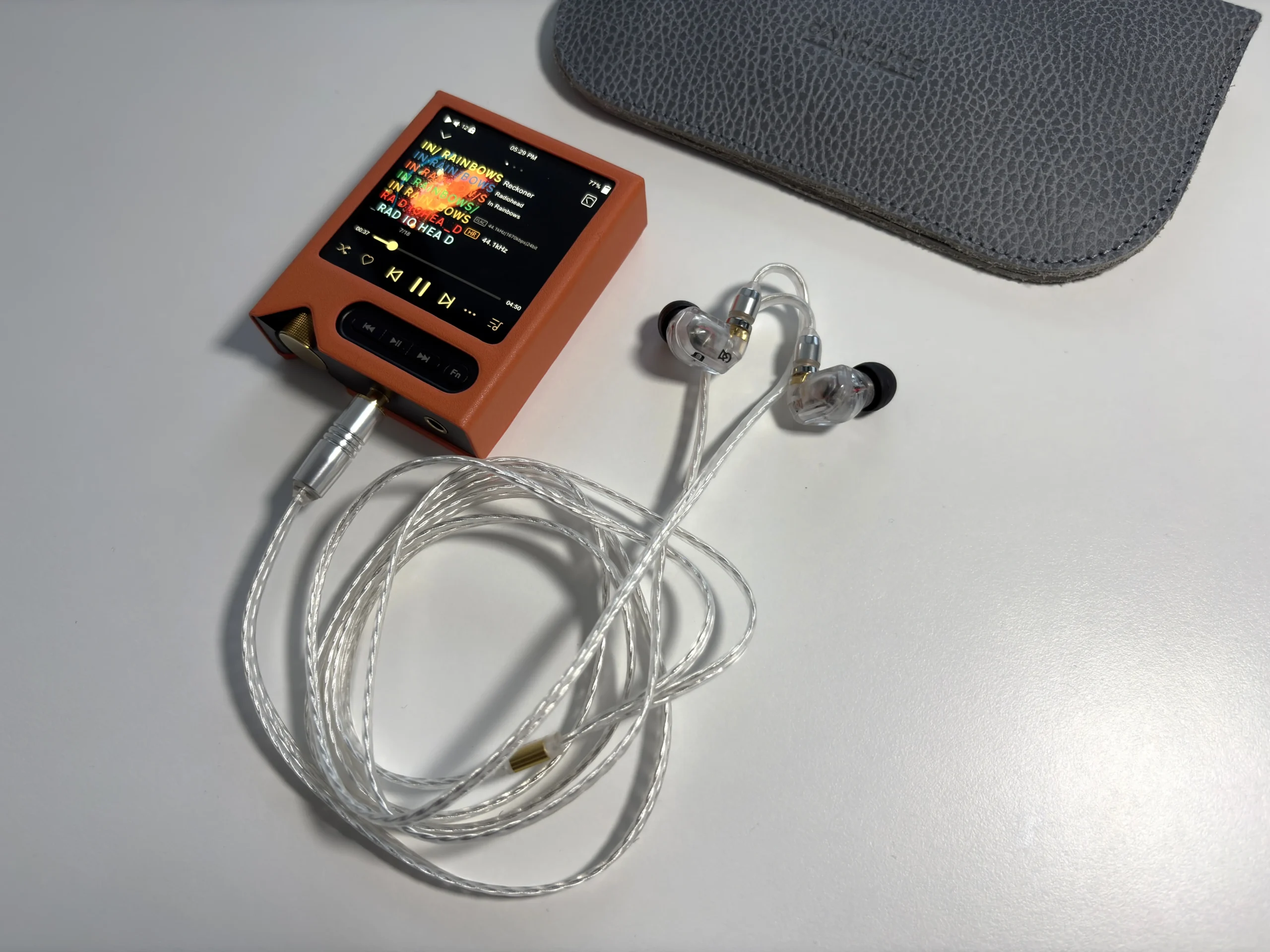
The Campfire Audio Iris has a fun-leaning, bass-emphasized sound profile with lively treble rather than a flat or neutral frequency response. It sounds dynamic and punchy in the bass, has a clear but slightly recessed midrange, and sharp highs to form a sort of U-shaped signature. This is a very accessible, consumer-focused sound, yet it doesn’t sacrifice detail or precision.
Bass
The Bass is what most listeners will notice first when listening to the Iris. The sub-bass has excellent extension and provides a very nice rumble without sounding boomy. It goes very deep, so tracks like Angel by Massive Attack or Avaritia by deadmau5 are extremely satisfying to listen to. The mid-bass has a nice punchy impact and works well in bass-driven genres like pop, EDM, and rock. Kick drums and bass guitars have excellent body and texture, and sound meaty.
Importantly, the bass tuning stresses control rather than muddiness. The shelf is intended to be energetic without collapsing midrange clarity. It’s fast, tight, and controlled, with more than enough quantity but without sacrificing clarity. It’s a bass boost done right.
Midrange
The midrange is slightly recessed or relaxed rather than forward, but thankfully, instruments do not get lost or buried in the mix. Vocals are pushed slightly forward, especially male vocals. As well, male vocals benefit from the bass performance and energy, as it adds thickness and body, especially for deeper-sounding singers. Female vocals still sound pleasant and breathy when needed, but don’t have as much momentum as male vocals. Instruments like rhythm guitars can sound slightly relaxed, but it creates a sense of space that heavily benefits acoustic, jazz, rock, and live tracks. I like the midrange tuning approach, even if it isn’t the most detailed or intimate.
Treble
The treble leans bright with air and sparkle, complementing the bass-forward low end. Percussion instruments like tambourines and cymbals resolve nicely with good note decay. The BA driver helps give it a slight sizzle with excellent detail retrieval. While the treble does sound slightly bright, it isn’t piercing or harsh, unless you are highly treble sensitive. It tends to stay on the energetic side without becoming fatiguing, which is exactly what you want from an IEM that’s intended to be used as an everyday companion. Listening to tracks like Radiohead’s Reckoner can become irritating and sharp on bright IEMs, or lifeless and dull on dark IEMs. Thankfully, the Iris hits it right in the middle. The cymbal hits at the beginning and the shaker throughout the track come across clear and detailed, but don’t pierce your ears.
Technical Performance
The Iris has a wide enough stage but limited depth. The soundstage spans left-to-right sufficiently to avoid any congestion, but depth and height are average, which results in a flatter layering effect. It doesn’t have a huge impact on spatial performance, but live tracks will sound more intimate rather than expansive.
The imaging performance, though, is very strong. You can easily pinpoint where a guitar or synth is placed, and sounds that travel across the soundscape are precise and clear.
Final Thoughts
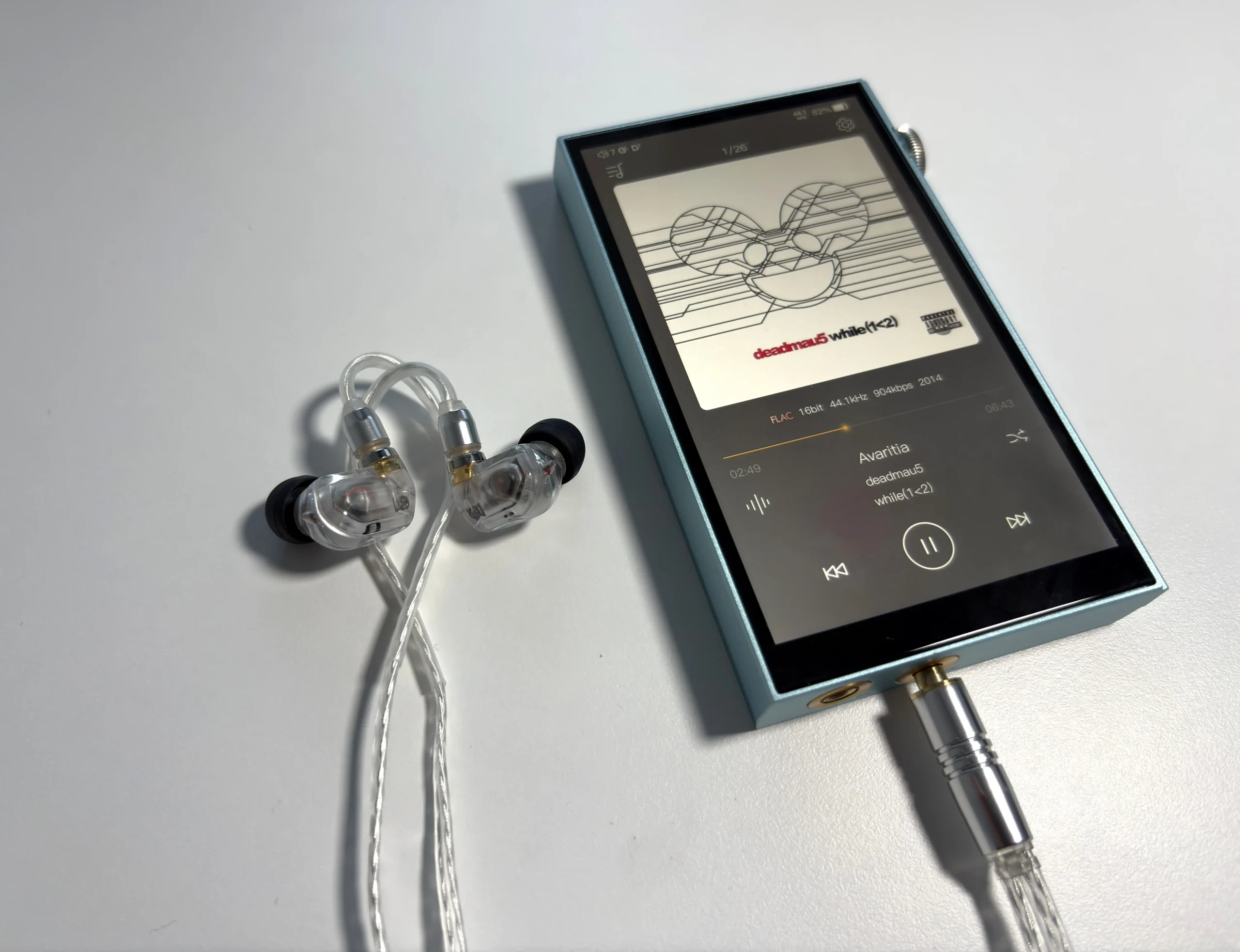
The Campfire Audio Iris is a confident entry-level IEM that proves “affordable” doesn’t have to mean boring. It succeeds by leaning into what Campfire does best: boutique craftsmanship and an engaging, energetic sound. The build quality and design are excellent, including accessories that are high quality and thoughtful, and the overall sound is fun enough for casual listeners but detailed and immersive enough for audiophiles.
Given the intention of this IEM, I have very few complaints. If I had to nitpick, I would have liked a bit more detail in the midrange and slightly larger soundstage, but otherwise, I think the Iris does an excellent job at being a fun daily driver that’s portable and comfortable. If that’s your focus, and $349 USD is a reasonable price to you, then I have no problem highly recommending the Campfire Audio Iris.

Buy from Amazon: https://amzn.to/3O6npBP
Buy directly from Campfire Audio: https://www.campfireaudio.com/products/iris
The above links may be affiliate links. All commission earned through them goes directly to maintaining this site and bringing you more audio reviews.
I’m not always able to cover all the details of a product, both hardware and software, in our reviews. If you have any specific questions about this product, please feel free to leave a comment or contact me directly.
Be sure to check out our excellent Buyer’s Guides, as well as our other Reviews.
HiFi Oasis Verdict
HiFi Oasis Verdict-
Design & Comfort8/10 Very good
-
Sound8/10 Very good
-
Features/Accessories9/10 Amazing
-
Value8/10 Very good
Pros
- Fun, engaging U-shaped sound signature
- Deep sub-bass extension with tight, controlled mid-bass impact
- Clear, energetic treble with good sparkle and detail
- Strong imaging accuracy and instrument separation
- Lightweight, compact shell with excellent long-term comfort
- Two high quality cables included (3.5mm SE & 4.4mm balanced terminations)
- Includes high-quality leather case and additional storage pouches
- Easy to drive with most modern low-impedance sources
Cons
- Slightly recessed midrange lacks intimacy and micro-detail
- Background hiss may be noticeable when used with lower-quality sources or those with a high noise floor.
- MMCX connectors may not appeal to users who prefer 2-pin
- $349 price point faces strong competition
- Smaller shell size may cause fit issues with larger ears


