


-80x80.jpg)



-110x110.jpg)


Disclosure: I’d like to thank SIVGA for providing me with the M260 for this review. All thoughts and opinions are my own, and SIVGA had no say or input on the contents of this review.
For many people, flat-head earbuds are either a nostalgic reminder of the earbuds that came with old MP3 players, flip phones, and iPods, or they are something they have completely moved on from in favour of IEMs, TWS earbuds, or full-size headphones. I get it. Most modern earphones are designed around isolation, noise cancelling, or some kind of smart feature.
The SIVGA M260 is different, though. It is a wired flat-head earbud with a 14.2mm dynamic driver, detachable MMCX connector, retro styling, and, in the version I am reviewing here, a USB-C cable with built-in DAC and an inline microphone, priced at $45 USD (or $39 for the 3.5mm version). So, while the design feels very old-school, the actual use case is very modern. You can plug it directly into a smartphone, tablet, laptop, DAP, or handheld gaming console without needing a dongle.
Before going any further, I should clarify one thing: despite sometimes being grouped into the IEM category, the SIVGA M260 is not really an IEM in the traditional sense. It does not insert deeply into the ear canal or create the same kind of sealed fit. As I previously mentioned, this is a flat-head earbud, which means comfort, isolation, bass response, and staging behave in a very different way from an in-ear monitor.
This difference is important, because the M260 is not trying to replicate what an IEM does, but instead, it feels like SIVGA is trying to make the classic wired earbud format feel relevant again for modern devices, and for those who have comfort issues with inserting an IEM into their ear canal. So let’s get into the review and see if the SIVGA M260 is a suitable alternative to those seeking a different kind of listening experience.
Key Specifications
- Product Page: https://sivgashop.com/products/m260?variant=48688985145600
- MSRP: $39 USD for 3.5mm version, $45 USD for USB-C mic version
- Type: IEM (in-ear monitor)
- Driver Type: 14.2mm Dynamic Driver (DD)
- Impedance: 16 ohms
- Sensitivity: 118 dB SPL
- Weight: grams per earbud
- Connection: MMCX connector
- Detachable Cable: Yes
In the Box and Unboxing
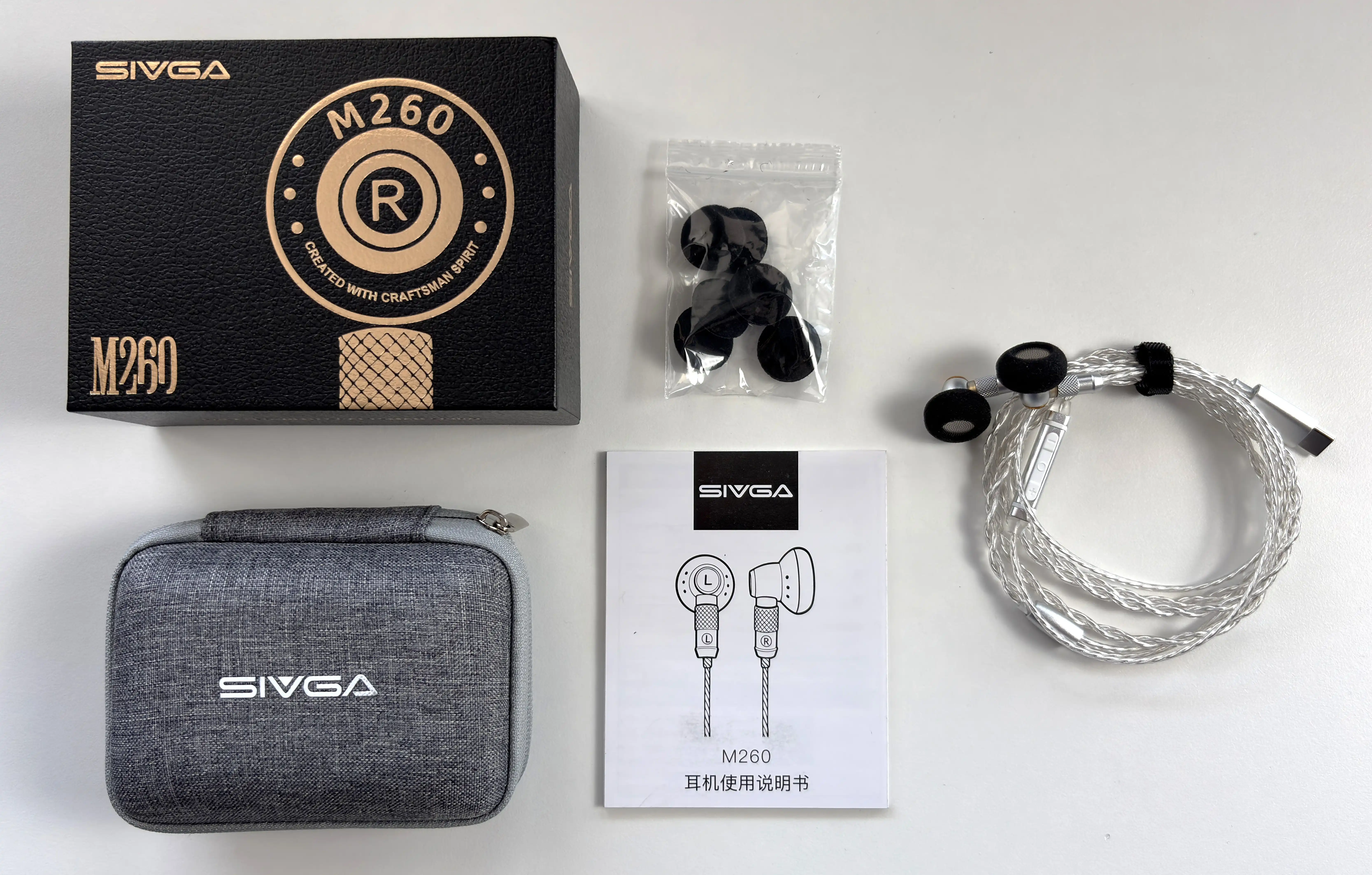
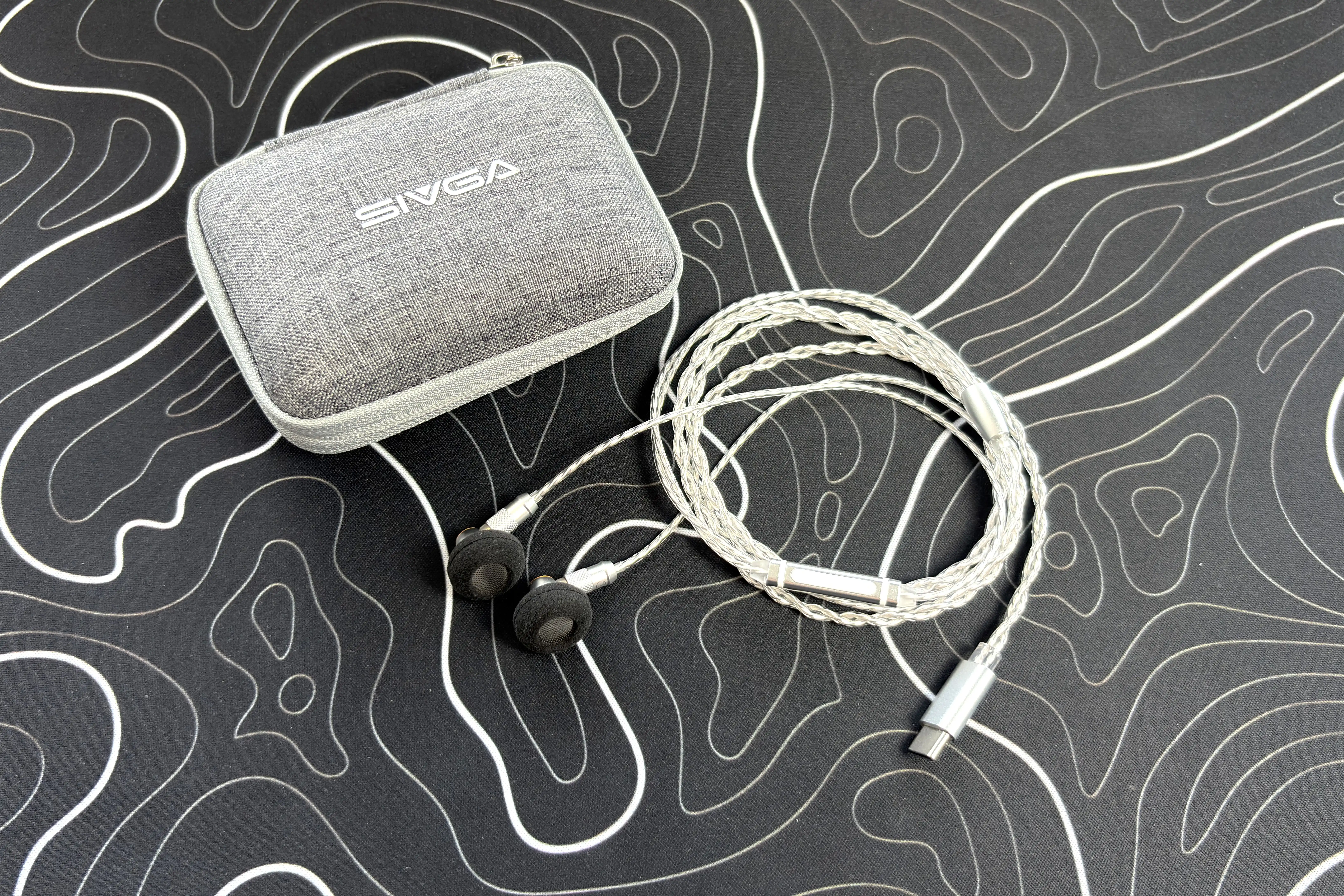
- Sivga M260
- USB-C cable with in-line controls
- 4x pairs of foam covers
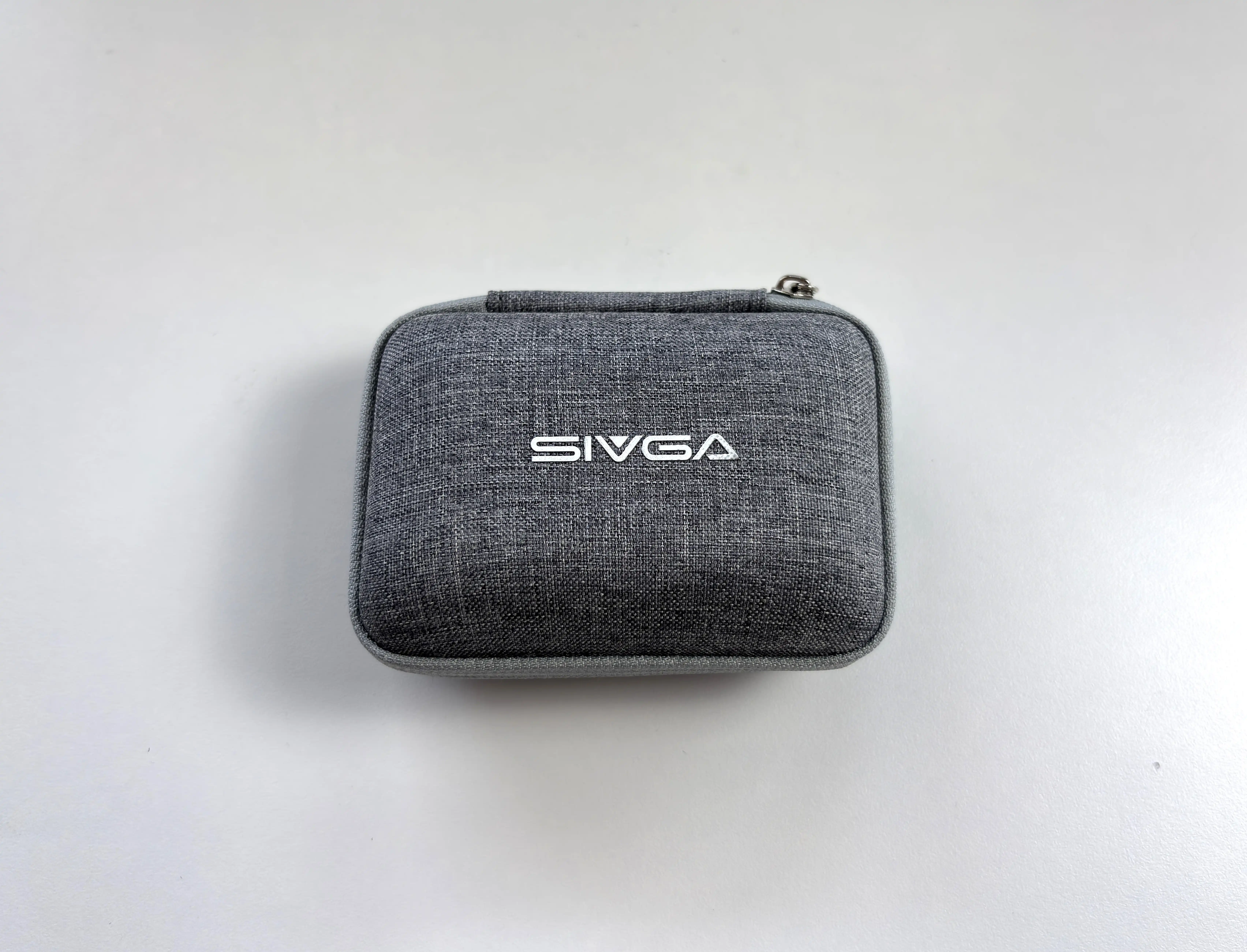
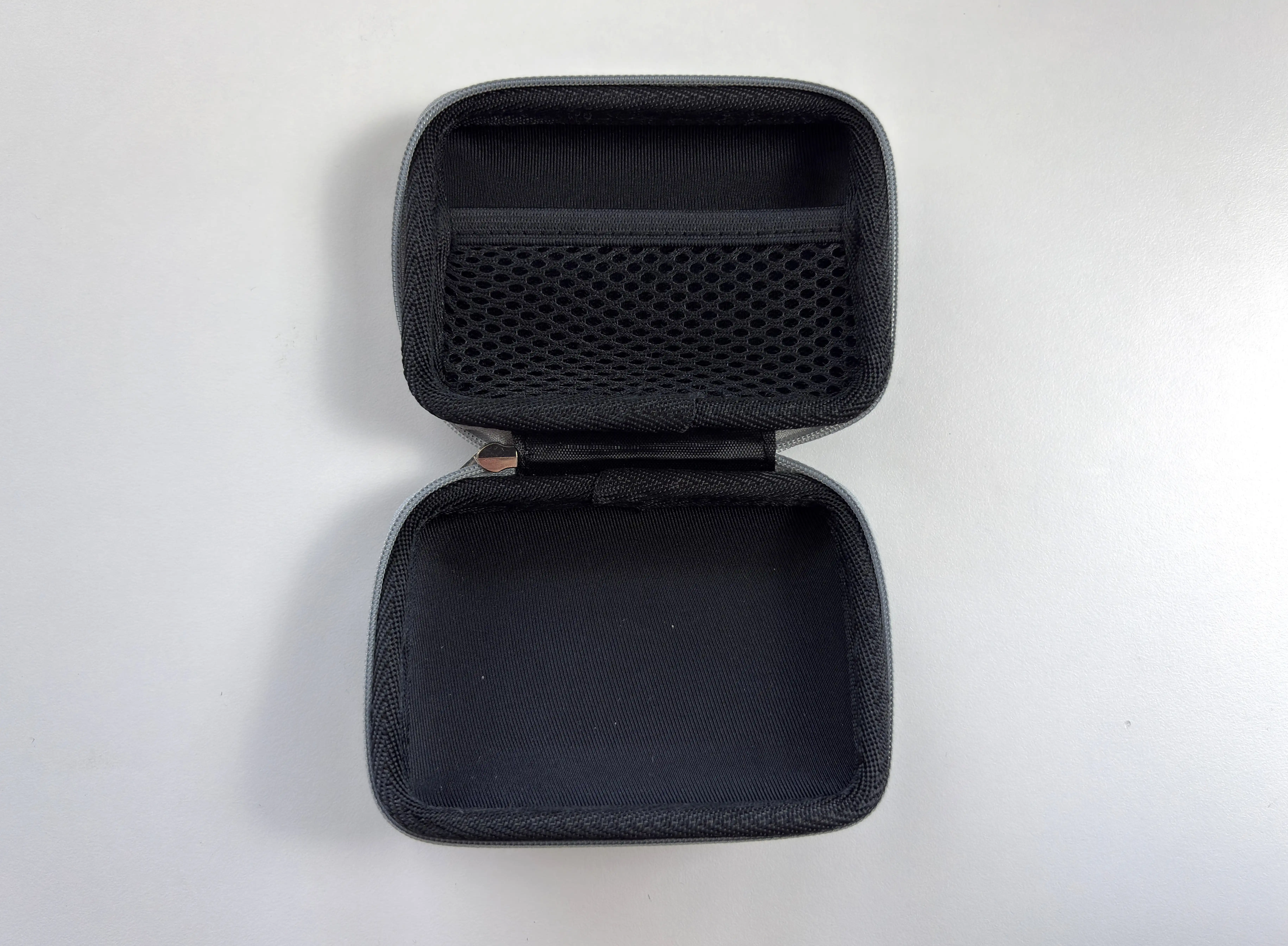
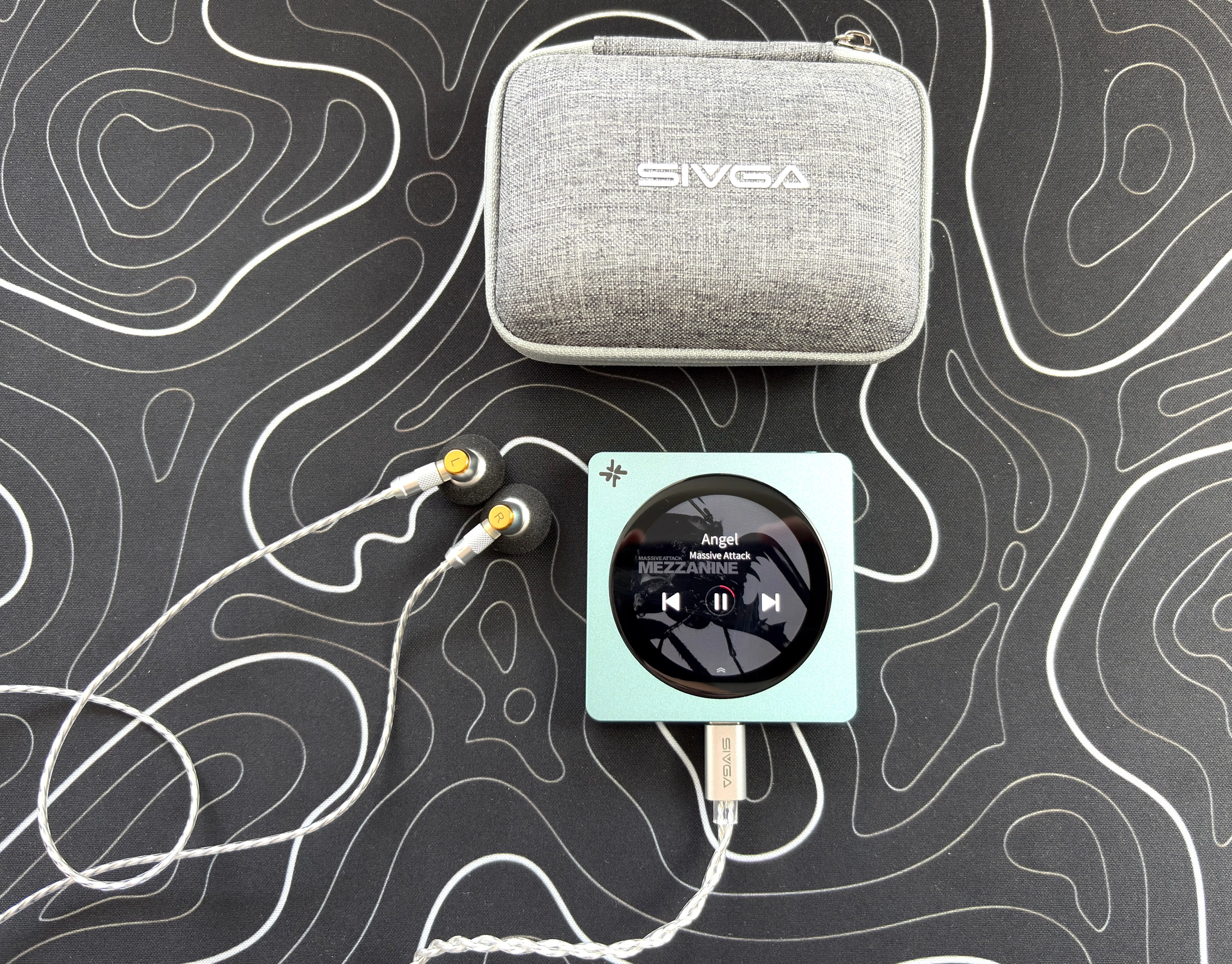
- Zipper case
- Manual
The overall accessory package is simple, but appropriate for the price. SIVGA includes a proper carrying case that is roomy enough for the earbuds and cable. The USB-C cable is maybe the most important part of this version. To me, this is the version that makes sense for most people. The 3.5mm model will appeal to DAP users and people who still prefer using dedicated dongles or sources, but the USB-C version is more practical for everyday use with modern smartphones and tablets.


Design & Comfort
The SIVGA M260 has a very retro-inspired design. The round flat-head shell, exposed grille design, and metallic finish all feel intentionally inspired by older portable audio gear. There is a bit of that classic cassette player/early CD player aesthetic here, but it does not feel cheap or gimmicky.
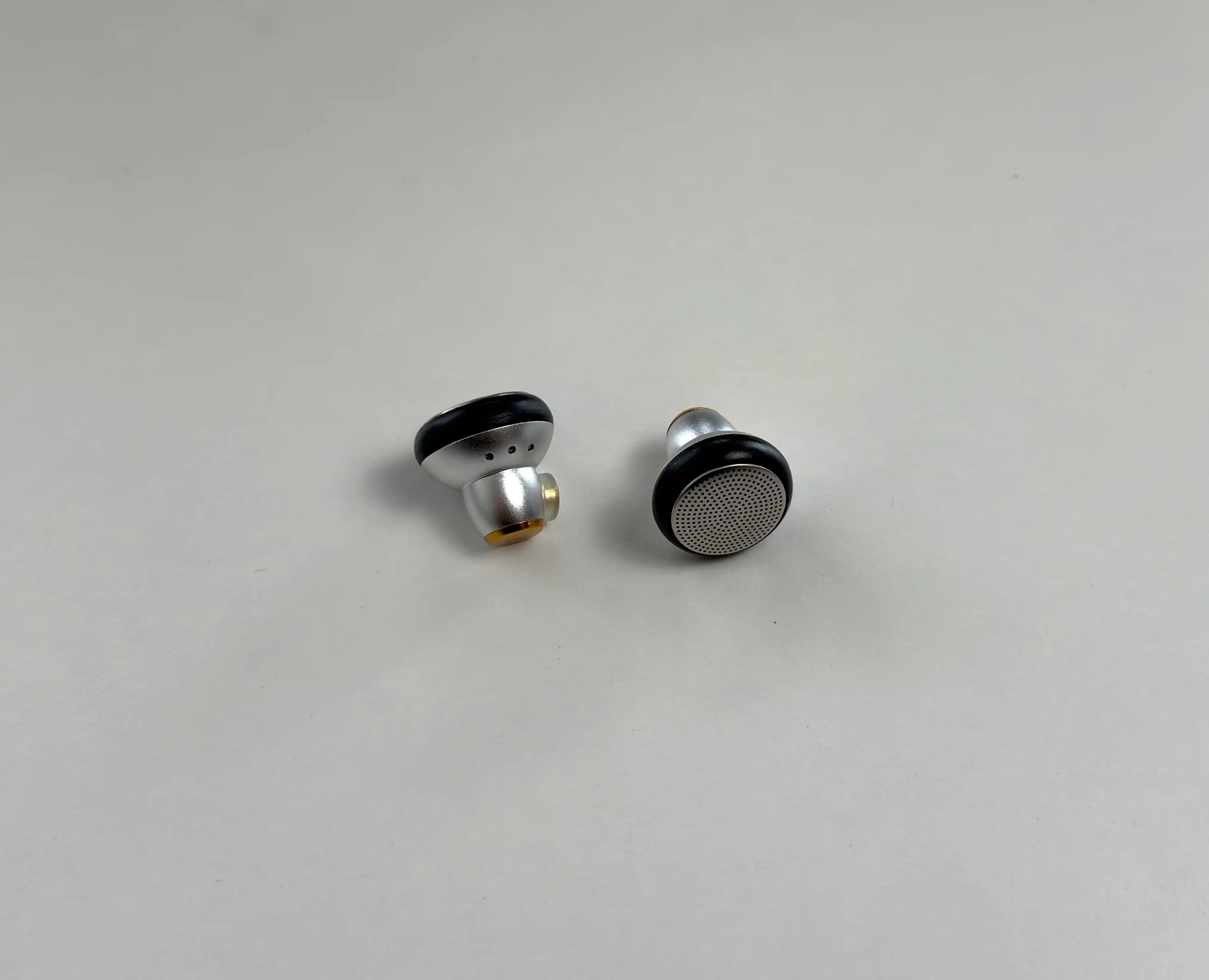
The earbuds themselves are surprisingly nice for the price. They are lightweight, compact, and easy to handle. They feel similar to the SIVGA M300, which is another flathead earbud that I liked. One of the differences between the M300 and the M260, though, is that SIVGA went with a detachable MMCX connector for the M260, giving you the option to swap cables.
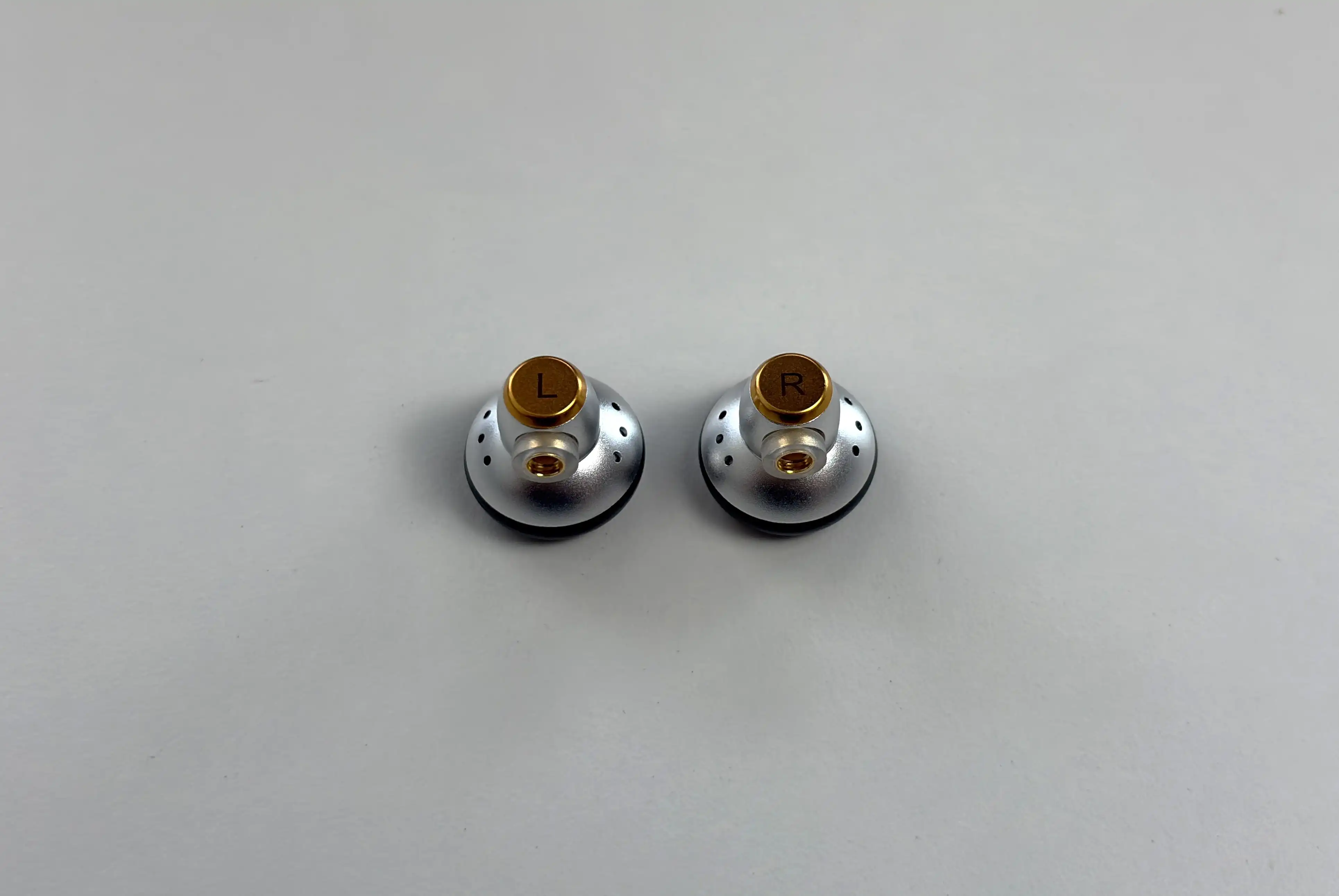
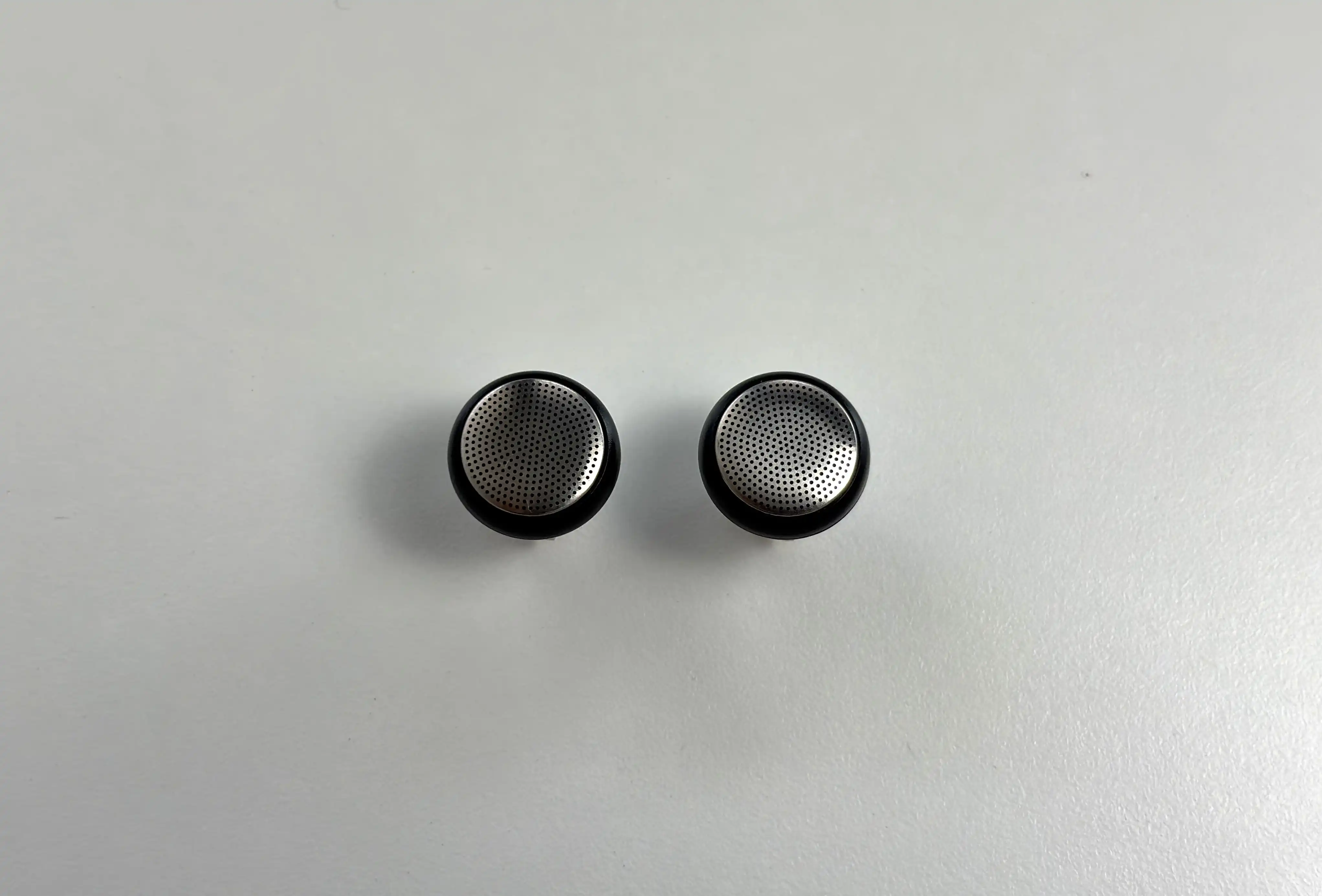


Comfort is where the M260 will either immediately work for you or it won’t. Since this is a flat-head earbud, it sits in the outer ear rather than sealing inside the ear canal. For my ears, this style can be extremely comfortable because there is no pressure buildup, no deep insertion, and no ear canal fatigue. I can wear the M260 longer than many traditional IEMs because it does not create any discomfort or fatigue from sitting in my ear. However, fit is much more dependent on your ear shape. With an IEM, you can usually change tips to adjust the seal and insertion depth. With a flat-head earbud, it either fits or it doesn’t.
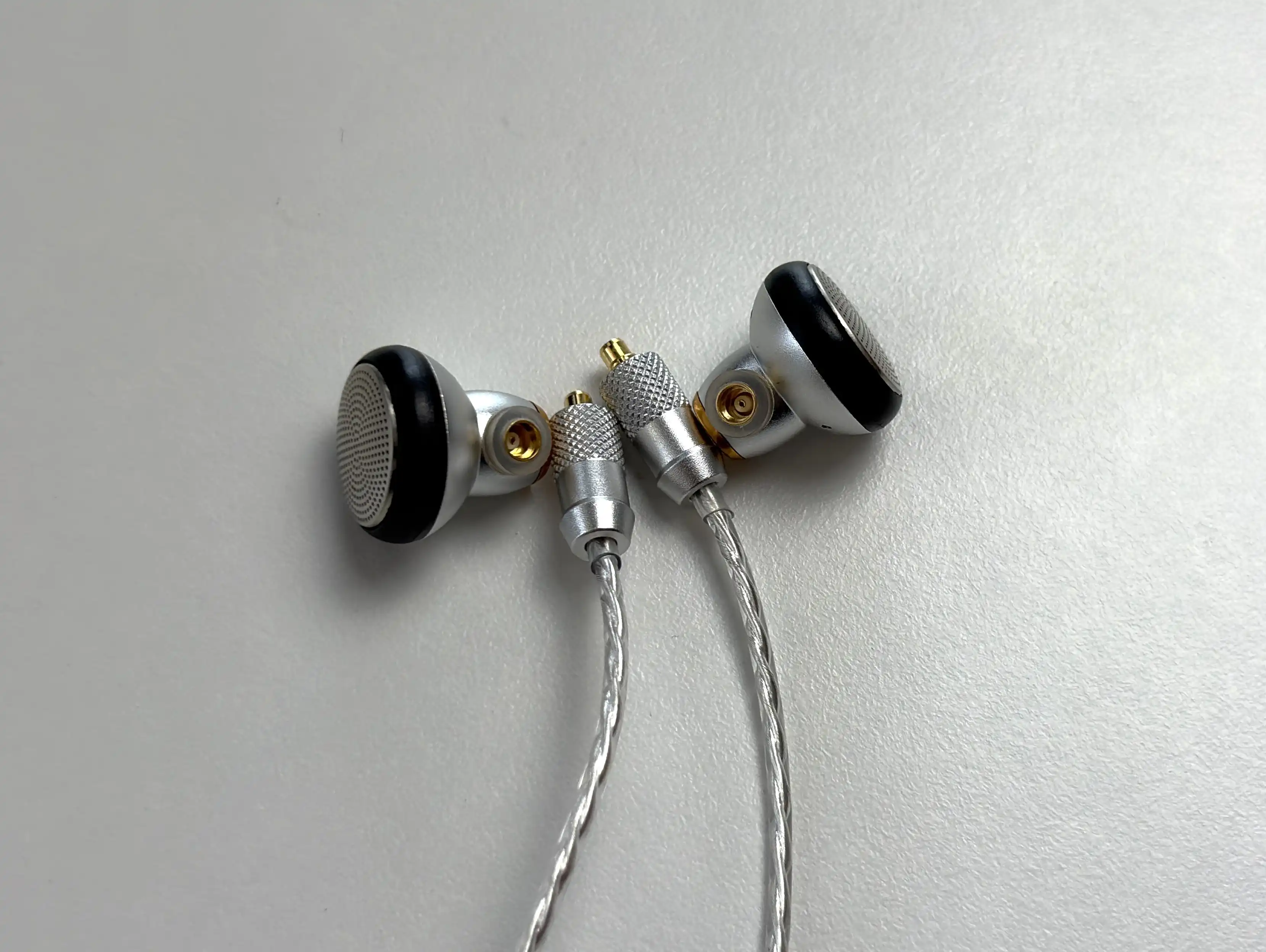
The included foam covers help with grip and comfort, but they do not change the shape of the shell. If your ears work well with this style, the M260 is very comfortable. If classic flat earbuds have never fit you properly, this will not fix that.
Isolation is also minimal. These are not for blocking out ambient noise very well, if at all. You can hear your surroundings easily, which can be a benefit if you want awareness, but a drawback if you want immersion.
USB-C Cable, Mic & Controls
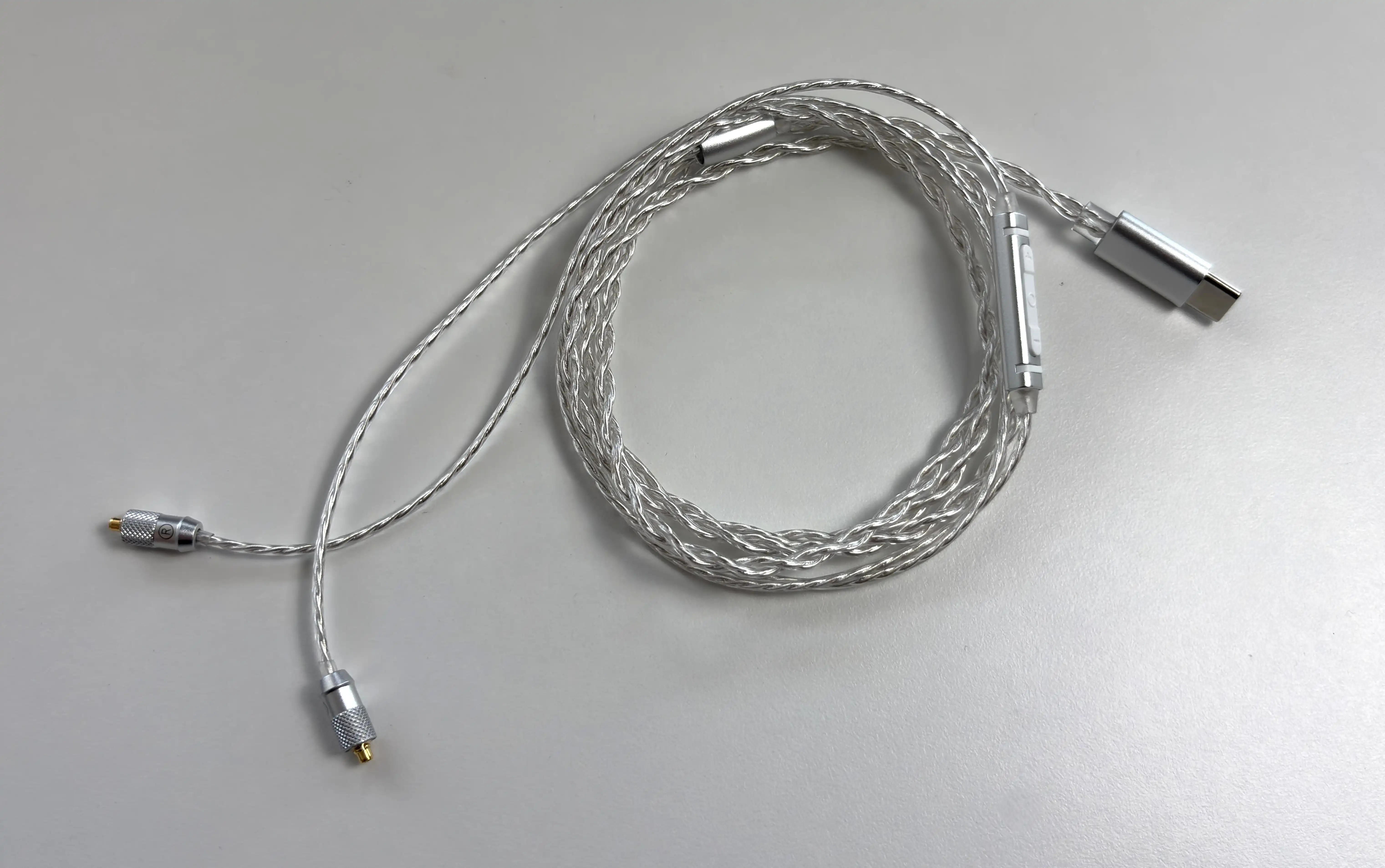
The USB-C version is the one I would personally choose. Most modern smartphones no longer have headphone jacks, and while I have no issue using dongles, there is something very convenient about having the DAC built directly into the cable. It turns the M260 into a true plug-and-play wired earbud for smartphones and portable gaming handhelds.
I tested the M260 with my iPhone 16, Samsung Galaxy Fold 7, Surface Laptop 7, and Nintendo Switch 2. The experience was exactly what I wanted from a product like this: literally plug and play, and there is nothing to configure.
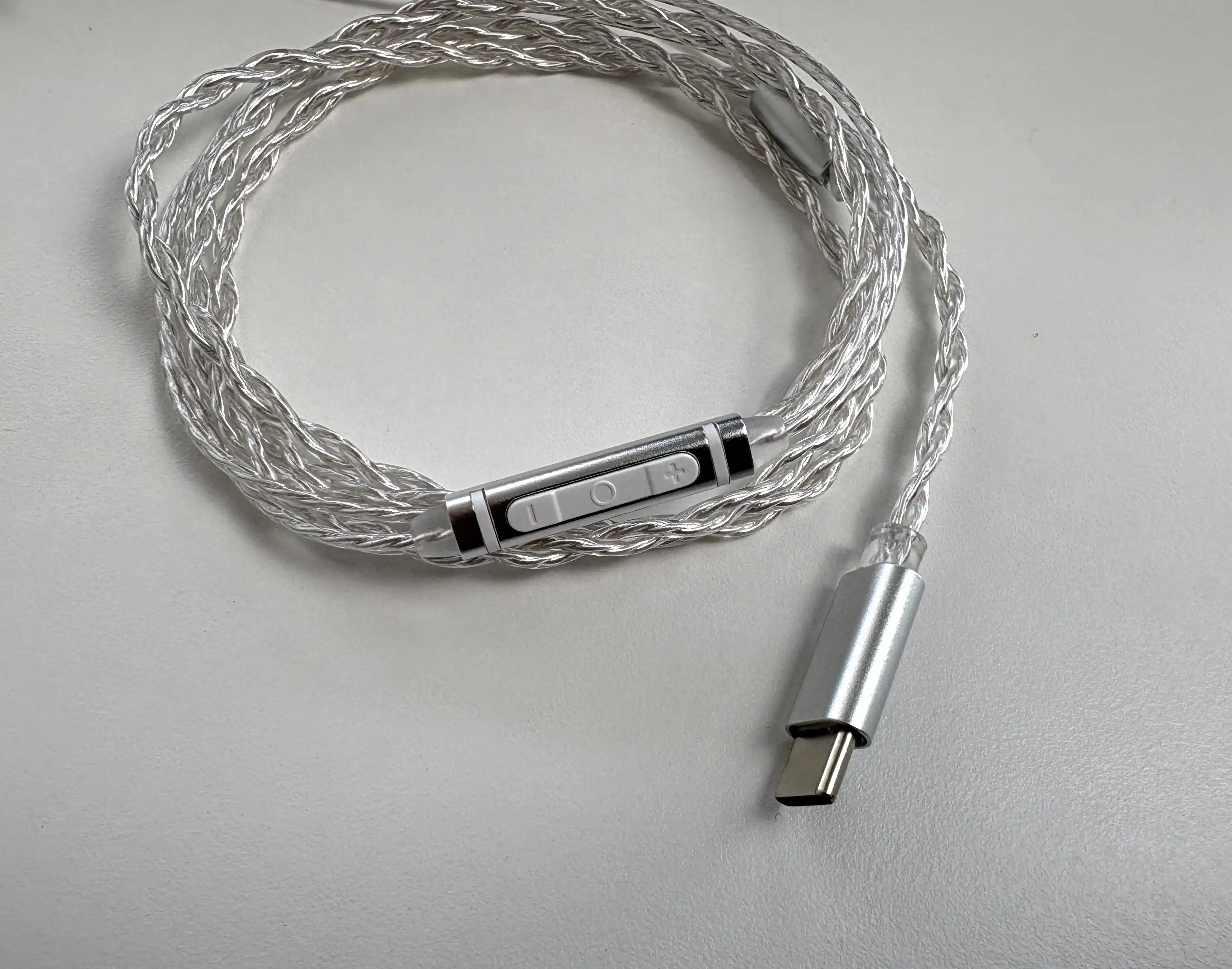
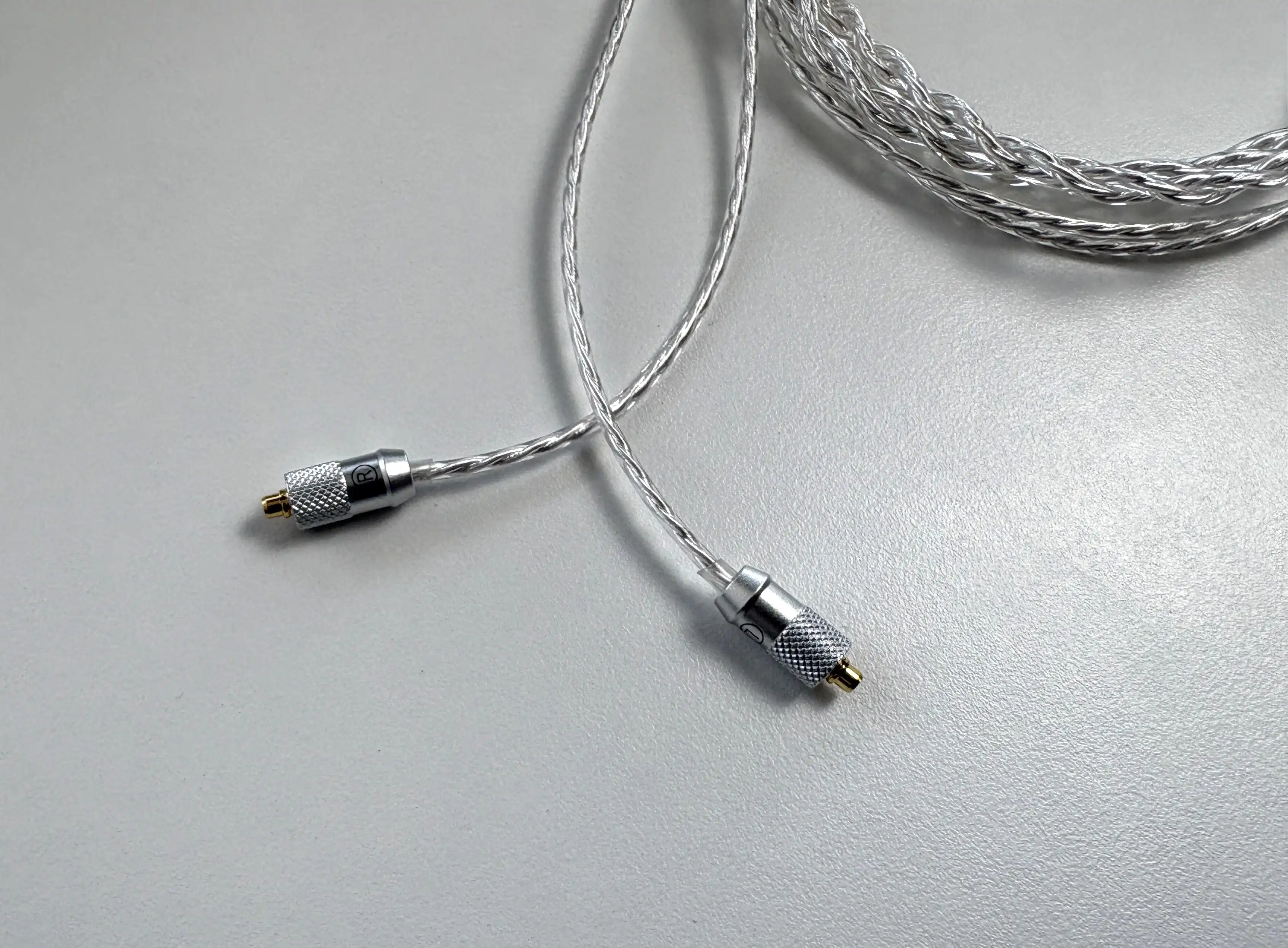


The inline mic is useful for calls, Discord, voice notes, and casual gaming chat. I would not call it a good quality microphone, and it is not going to replace a dedicated USB mic or proper headset boom mic, but for everyday use, it does the job and is very serviceable.
The controls are also nicely done. Again, this is not a flashy feature, but it simply adds to the whole experience. Being able to adjust volume, pause music, or take calls from the cable makes the M260 feel much more usable as an everyday carry product.
Efficiency & Sensitivity

The SIVGA M260 is rated at 16 ohms with a sensitivity of 118dB, so it is very easy to drive. With the USB-C version, this is even less of a concern because the cable handles the output side of things directly. As long as your USB-C connection has a reasonable amount of power, it will be just fine. The DAC used in the USB-C cable is a Realtek ALC5686 that supports up to 32-bit/384kHz PCM playback.
Volume was never an issue for me. I had plenty of headroom from every device I tested with, and I never felt like the M260 was being held back. Does that mean better sources do nothing? Not exactly. If you use the 3.5mm version with a proper DAC/amp, you may get slightly better control or refinement depending on the source. But with the USB-C model, the whole point is convenience. You buy this version so you do not have to think about source matching.
Sound Quality
Main sources used for this review:
- Apple iPhone 16
- Samsung Galaxy Fold 7
- Shanling M0 Pura
- SnowSky Disc
Links to my music playlist used for the majority of testing:
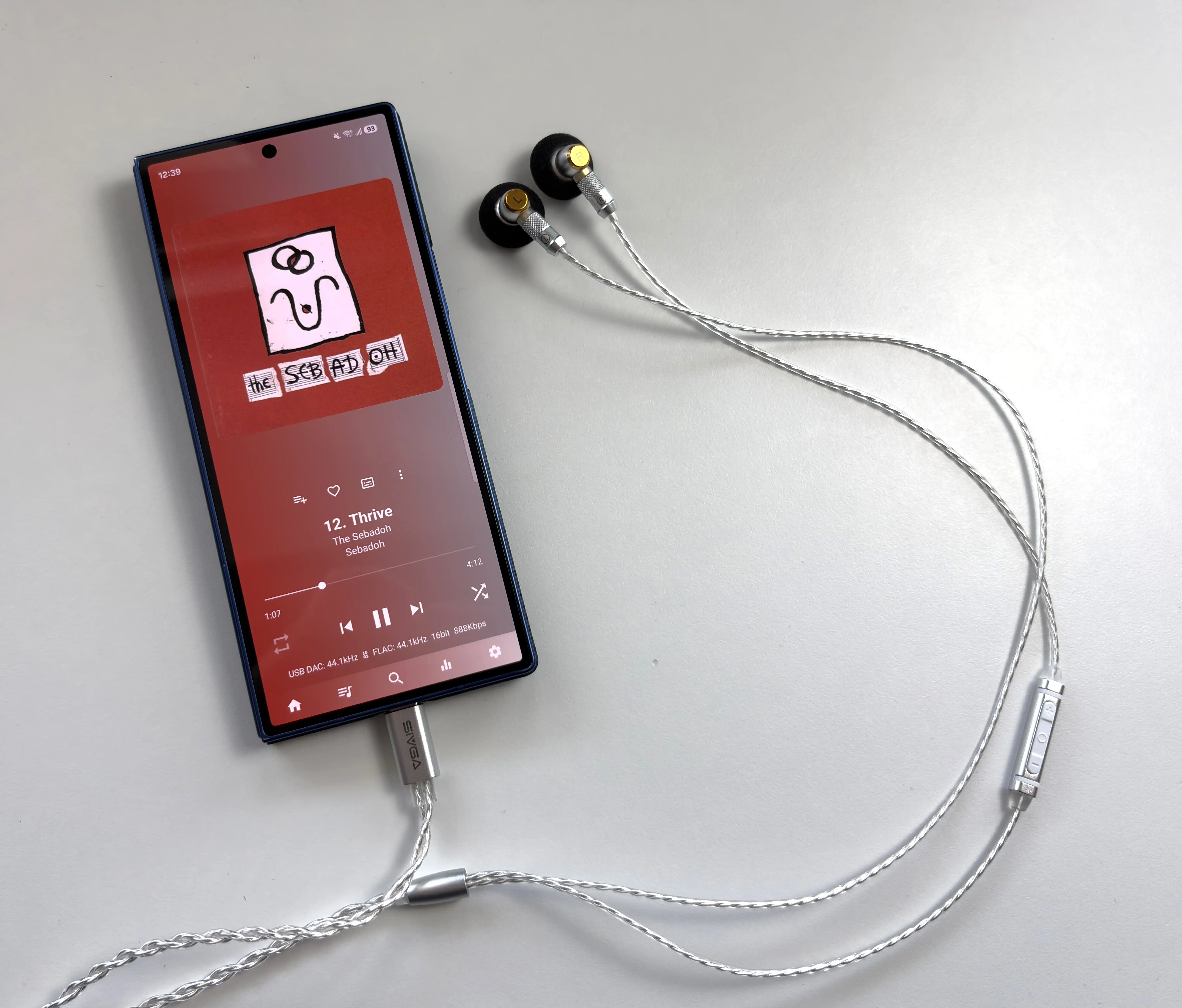
The SIVGA M260 has a balanced, open, and slightly relaxed sound signature with a natural-sounding midrange, clean treble, and surprisingly respectable bass for a flat-head earbud.
The M260 will not hit with the same sub-bass pressure, isolation, or physical slam as an IEM, that is the limitation of this form factor. Without a sealed fit, you do not get the same air pressure or low-end reinforcement. But judged as a flat-head earbud, the M260 is genuinely enjoyable.
This is the kind of tuning that works well for casual music listening, podcasts, YouTube, gaming, and background listening while working. It does not demand your attention in the way a more aggressive IEM might, but that is also part of the charm, in my opinion.
Bass
Bass is always the most difficult part of reviewing flat-head earbuds because the fit changes everything. With the M260 positioned properly, the bass is actually better than I expected it to be. It has decent mid-bass presence, with enough punch to keep pop, rock, and electronic music engaging.
Do not expect much, if any, sub-bass rumble. Tracks that rely heavily on low-frequency pressure will sound lighter than they would on a sealed IEM. Bass drops have shape and presence, but they do not have the physical impact you get from something that seals in your ear.
For example, with Angel by Massive Attack, the M260 gives you the rhythm and texture of the bass lines, but not the full weight. It sounds clean and controlled rather than big and powerful. This actually works well for some genres. Bass guitars are easy to follow, kick drums have enough impact, and the low-end does not bleed into the midrange.
If you want maximum bass for the money, buy a sealed IEM. If you want a clean, open earbud with enough low-end to avoid sounding thin, the M260 does well here.
Midrange
The midrange is maybe where the M260 is at its best. Vocals sound natural and clear, and they are also nicely positioned. They are not pushed too far forward, but they do sound slightly intimate. Male vocals have good body and weight, and female vocals have enough clarity and air when needed. Spoken-word content sounds excellent overall, making the M260 great for podcast listening.
Guitars, piano notes, lighter acoustic instruments all come through well and are layered accurately. The M260 does not have the dense note weight or micro-detail of a more expensive IEM, but it captures tone in a way that feels natural and unforced.
Treble
The treble sounds smooth and is generally well controlled, and there is enough presence to keep the M260 from sounding dark or lacking detail. Cymbals and hi-hats have good definition, though they are not the airiest or most extended I have heard.
For the price and form factor, I think this is the right approach. A flat-head earbud with too much treble can sound thin and sharp, which to me is unpleasant. SIVGA seems to have tuned the M260 for comfort and long-term listening rather than maximum perceived detail, and it works well for me.
That means treble-sensitive listeners will be fairly safe here. I did not find the M260 sibilant or piercing during normal listening. Poorly recorded tracks can still sound a bit rough, which is normal, but the M260 is not going out of its way to punish them.
The trade-off, though, is that detail retrieval is simply acceptable rather than exceptional. If you are expecting the pinpoint texture, sparkle, and layering of a dedicated audiophile IEM, this is not that kind of product. But for a $45 USB-C earbud, the treble is clean and enjoyable.
Technical Performance
The biggest strength of the M260’s technical performance is its openness. Because it does not seal like an IEM, the soundstage feels more airy and less trapped inside your head. It is not massive, but it does have a nice left-right spread that works well for live recordings, gaming, and general listening.
Imaging performance is also very solid for this price range. In games I played, directional cues are easy enough to follow, and the open design helps create a more natural sense of space than many closed-off IEMs of a similar price. I would not choose these over a proper gaming headset for competitive play, but for handheld gaming, casual PC gaming, and single-player immersion, they worked surprisingly well for me.
Final Thoughts
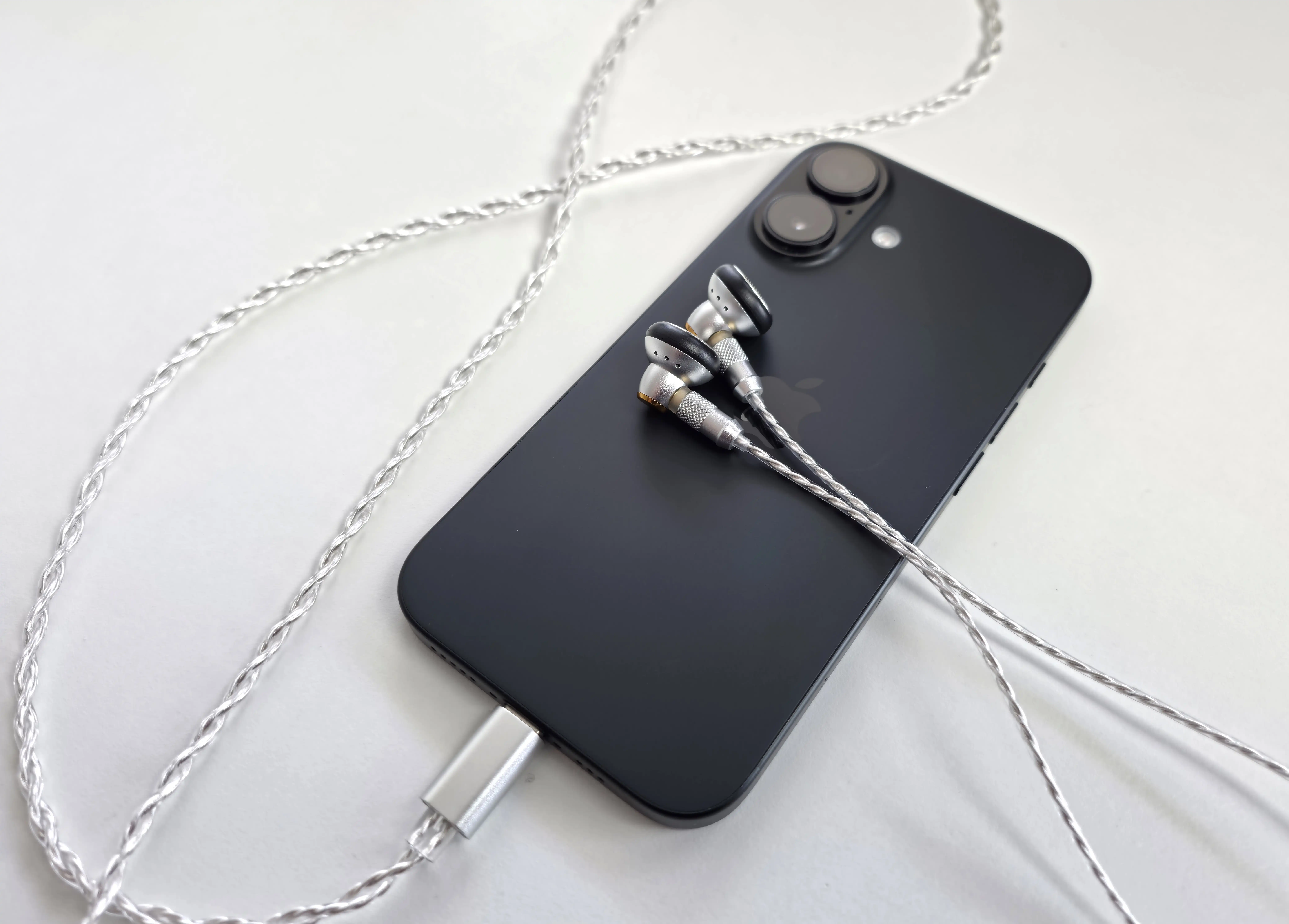
The SIVGA M260 USB-C Mic version is a straightforward earbud, but that straightforwardness and simplicity are exactly what make it so appealing. It takes the classic flat-head earbud format, gives it a more premium-feeling retro design, adds a large 14.2mm dynamic driver, uses a detachable MMCX cable, and then makes the whole thing easy to use with modern USB-C devices.
It is not perfect. The flat-head fit will not work for everyone, as isolation is minimal, and the bass performance simply cannot compete with sealed IEMs. If you listen mostly in loud environments or public situations, or want sub-bass rumble, this would not be my first recommendation.
But for general home use, casual listening, immersive gaming, and for anyone who misses the comfort and openness of old-school earbuds, the M260 is genuinely useful.
The USB-C version is the one I would recommend to most people as it turns the M260 into a grab-and-go wired earbud that works with modern devices without needing a separate dongle.
Overall, the SIVGA M260 is not trying to replace a great IEM. It is doing something different. It is bringing the flat-head earbud back in a way that feels practical, affordable, and surprisingly enjoyable. For $45 USD, that makes it very easy to like.

Purchase Links
Buy from SIVGA: https://sivgashop.com/products/m260?variant=48688985145600
Buy from AliExpress: https://s.click.aliexpress.com/e/_c4UVzoNT
Buy from Amazon: https://amzn.to/3SRU14o
I’m not always able to cover all the details of a product, both hardware and software, in my reviews. If you have any specific questions about this product, please feel free to leave a comment or contact me directly.
Be sure to check out our excellent Buyer’s Guides, as well as our other Reviews.
HiFi Oasis Verdict
HiFi Oasis Verdict-
Design & Comfort8/10 Very good
-
Sound8/10 Very good
-
Features/Accessories7/10 Good
-
Value8/10 Very good
Pros
- Natural, clear midrange
- Smooth and non-fatiguing treble
- Open soundstage for the price
- Useful inline mic and controls (USB-C cable version)
- Great for casual listening, podcasts, and handheld gaming
- Detachable MMCX cable
- Plug-and-play USB-C cable with built-in DAC
- Comfortable flat-head design with no ear canal pressure
- Strong value at $45 USD
Cons
- Fit depends heavily on ear shape
- Very little isolation
- Bass lacks sub-bass rumble and physical slam
- Detail retrieval is only average


