

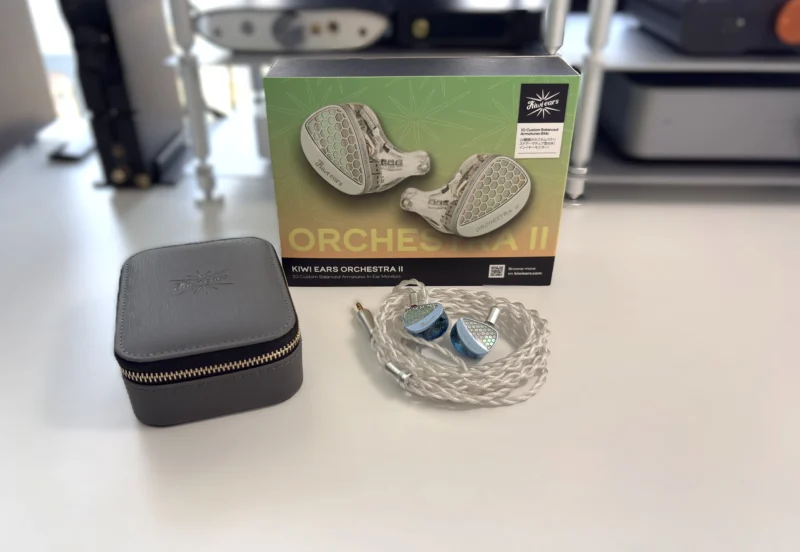
Disclosure: I’d like to thank Carina at Linsoul for providing me with the Kiwi Ears Orchestra II for this review. All thoughts and opinions are my own, and Linsoul had no say or input on the contents of this review.
The Kiwi Ears Orchestra II is the latest flagship-tier offering from a brand that has quickly made a name for itself by delivering high-driver-count performance without the eye-watering ‘prestige’ pricing. Building on the foundation of the original Orchestra and the community-favorite Orchestra Lite, the Orchestra II ($349 USD) doubles down on the all-BA (Balanced Armature) approach with 10 custom-tuned drivers per side.
The question becomes whether those 10 drivers work together to create something special, or if the Orchestra II joins the long list of multi-driver IEMs that sound impressive on paper but underwhelm in practice. Let’s find out if this IEM earns its place among the better mid-tier options available today.
Key Specifications
- Product Page: https://www.linsoul.com/products/kiwi-ears-orchestra-ii
- MSRP: $349 USD
- Type: IEM (in-ear monitor)
- Driver Type: 10 x Balanced Armature (BA)
- Impedance: 15 ohms
- Sensitivity: 110 dB SPL/mW
- Weight: 2.7 grams per earbud
- Connection: 0.78mm 2-pin connector
- Detachable Cable: Yes
In the Box and Unboxing
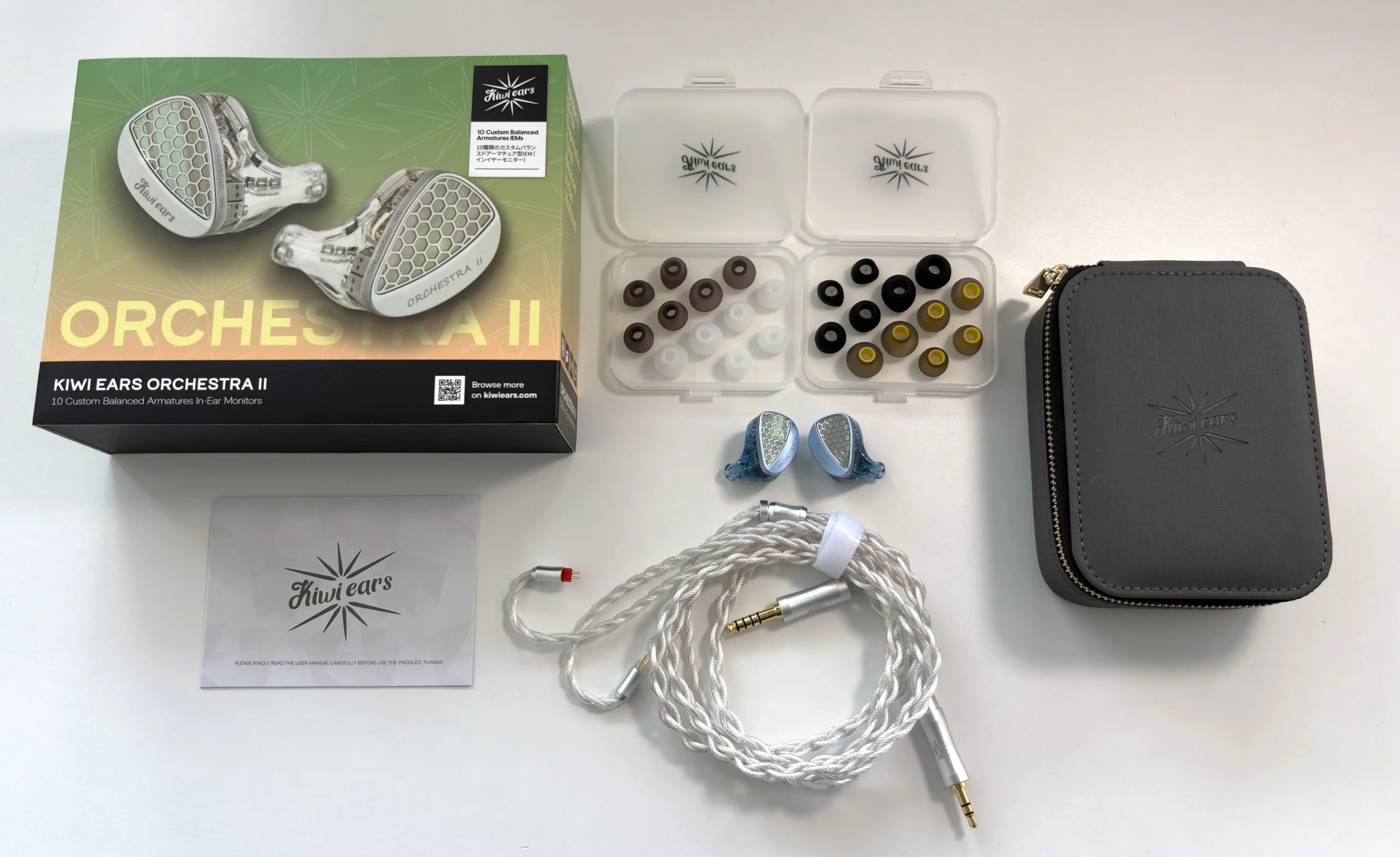
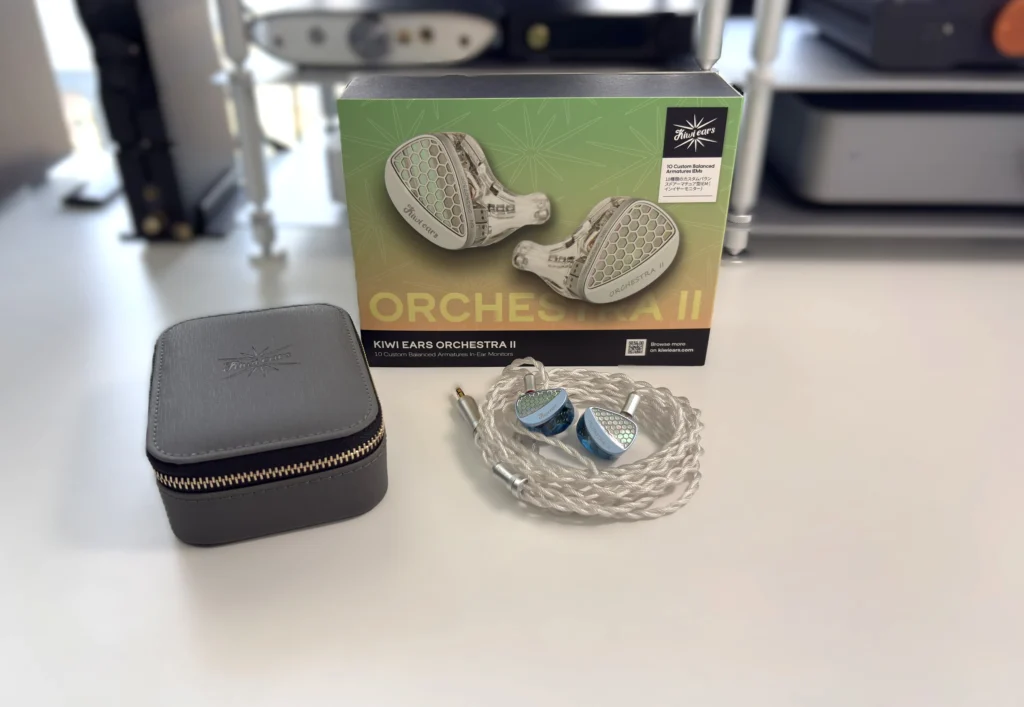
- Kiwi Ears Orchestra II
- Silver-plated copper modular cable
- 3.5mm and 4.4mm friction-fit plugs
- 12 pairs of silicone ear tips (varied styles and bores)
- Two dedicated ear tip storage containers
- Premium carrying case
- User manual
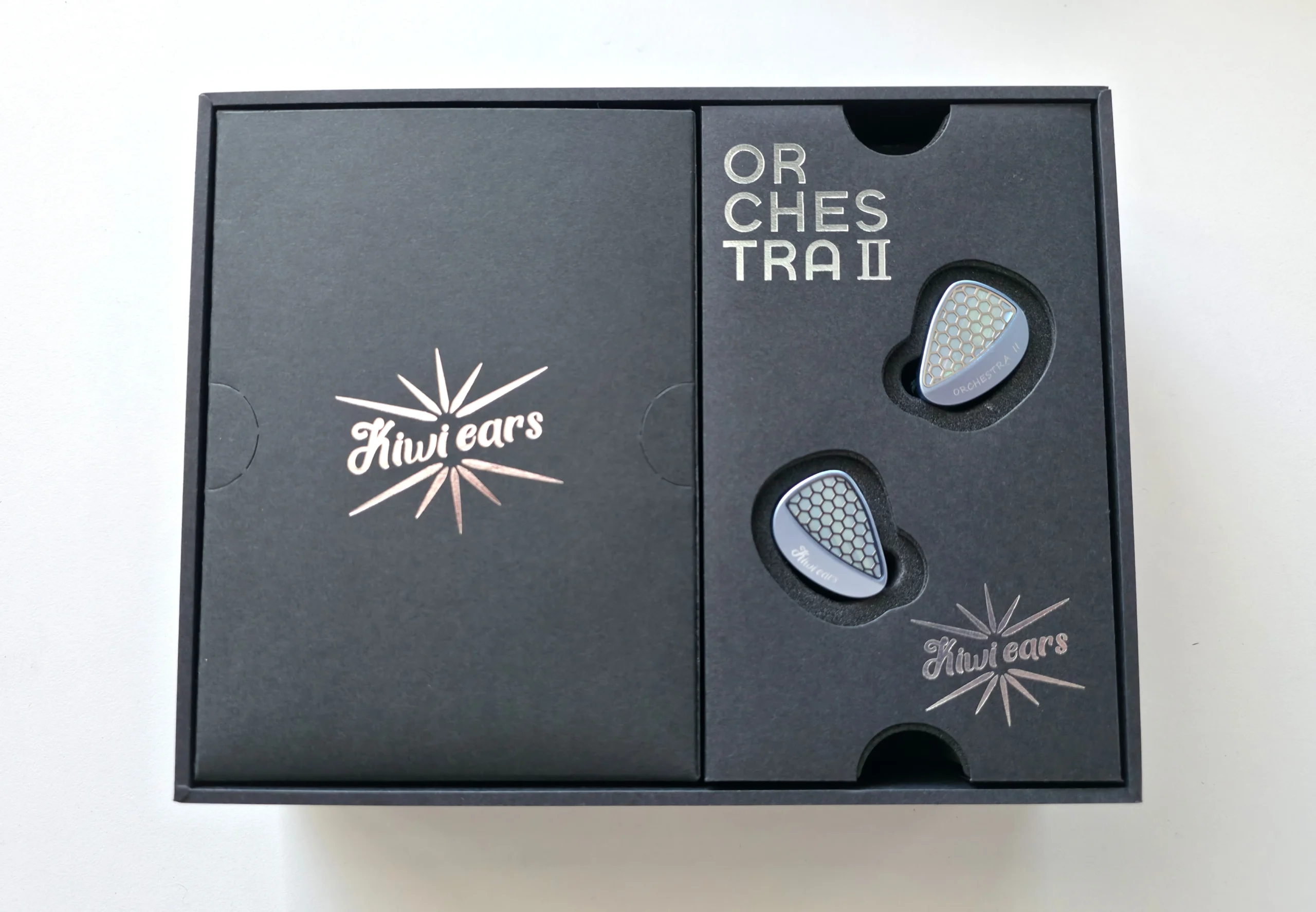
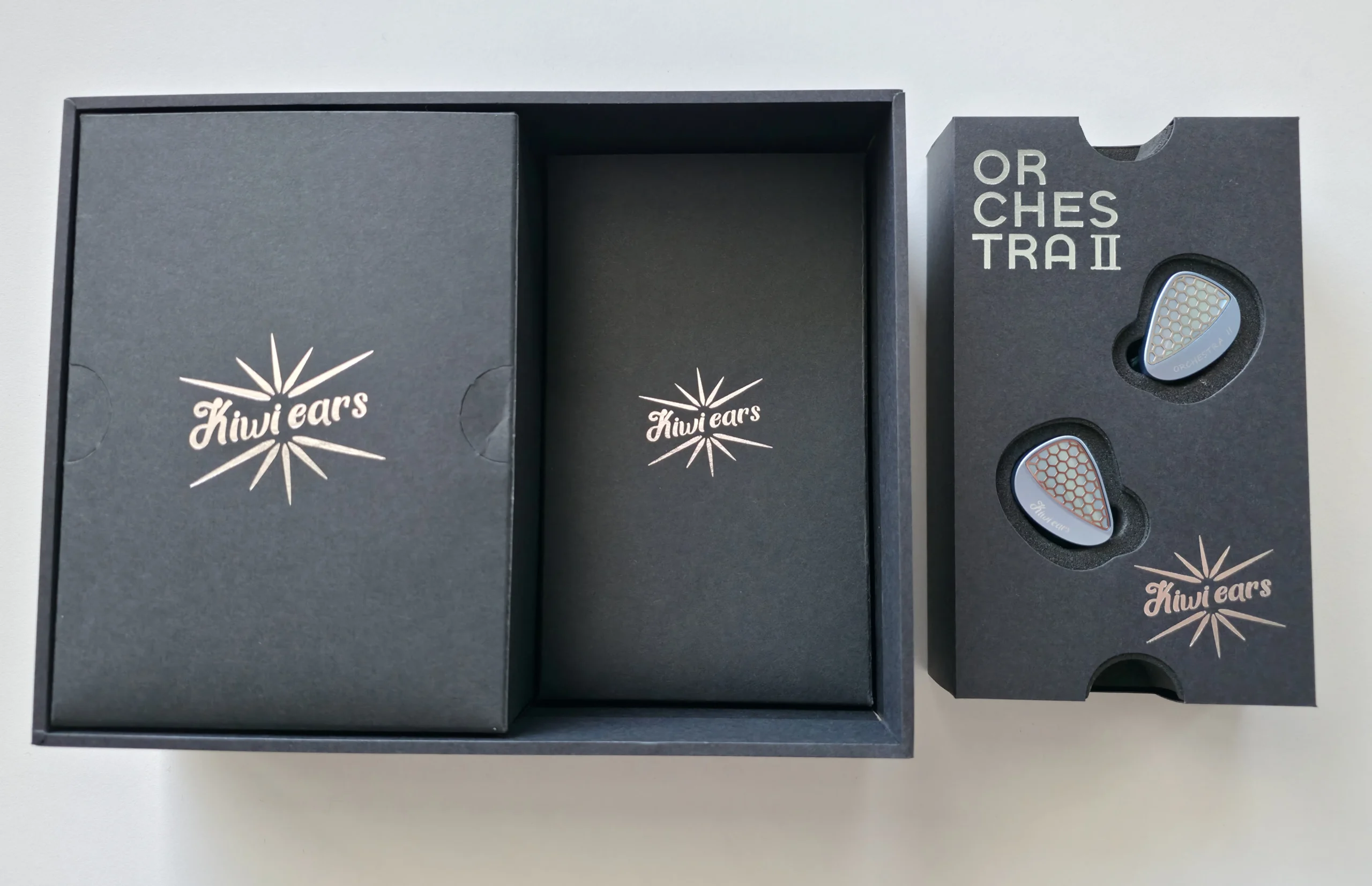


Kiwi Ears has moved away from basic cardboard toward a more curated presentation. Opening the box reveals a well-thought-out layout with the IEMs nestled in protective foam cutouts and accessories organized in compartments beneath.
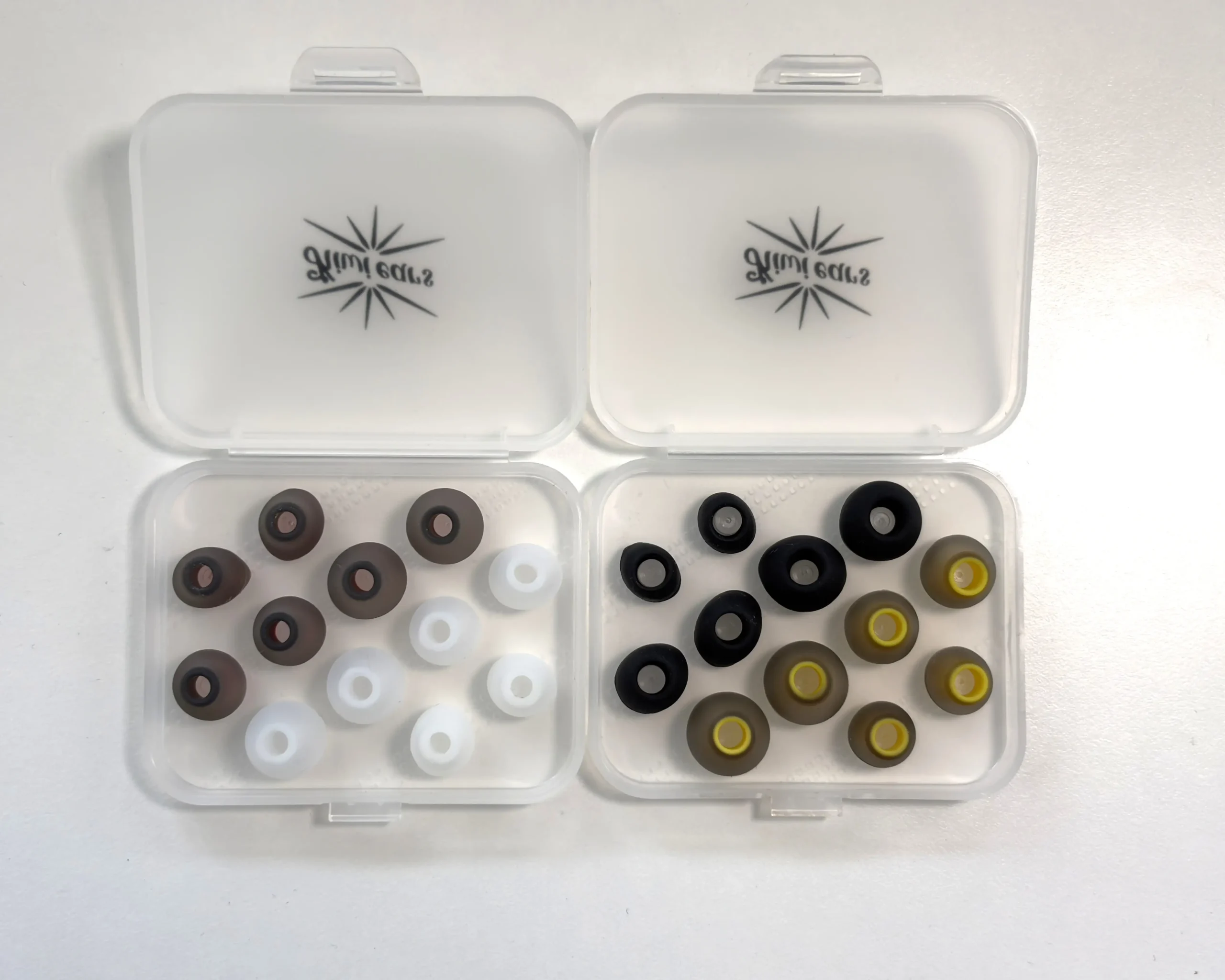
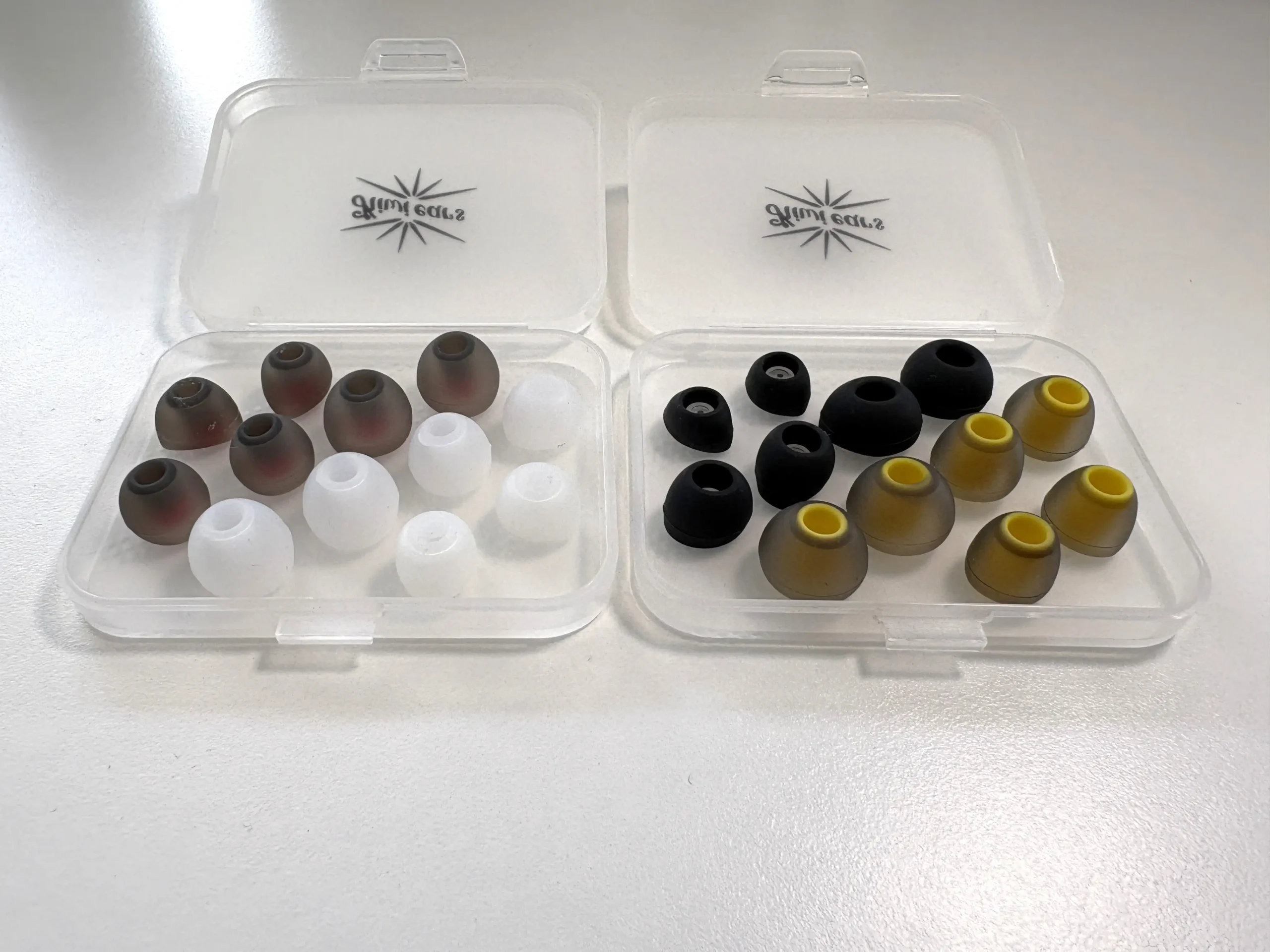


Those tip storage containers are a very nice touch. Instead of the usual plastic bags that most manufacturers throw in, Kiwi Ears provides proper small cases to keep your tips organized and protected.
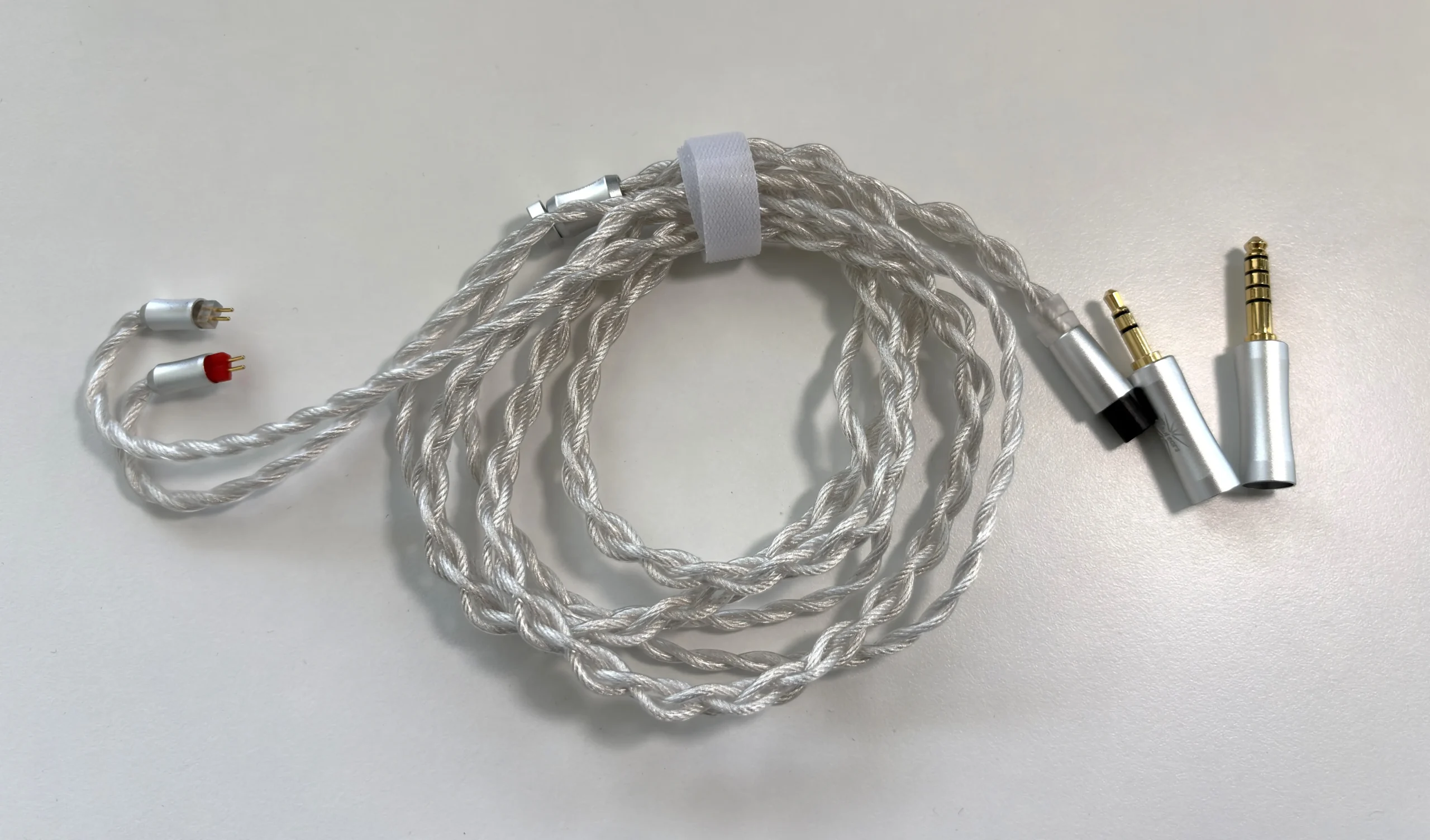
The cable might be one of the nicest cables that Kiwi Ears has ever included with an IEM (at least of the ones I’ve tried). It’s thick but not too stiff, fairly light, and modular. Being able to swap between a 3.5mm SE connection and a 4.4mm balanced connection without swapping the entire cable is a massive quality-of-life improvement. The plugs are friction-fit rather than screw-lock. So while they feel secure enough for daily use, I do wonder if they might loosen after years of swapping. Still, this is a great cable.
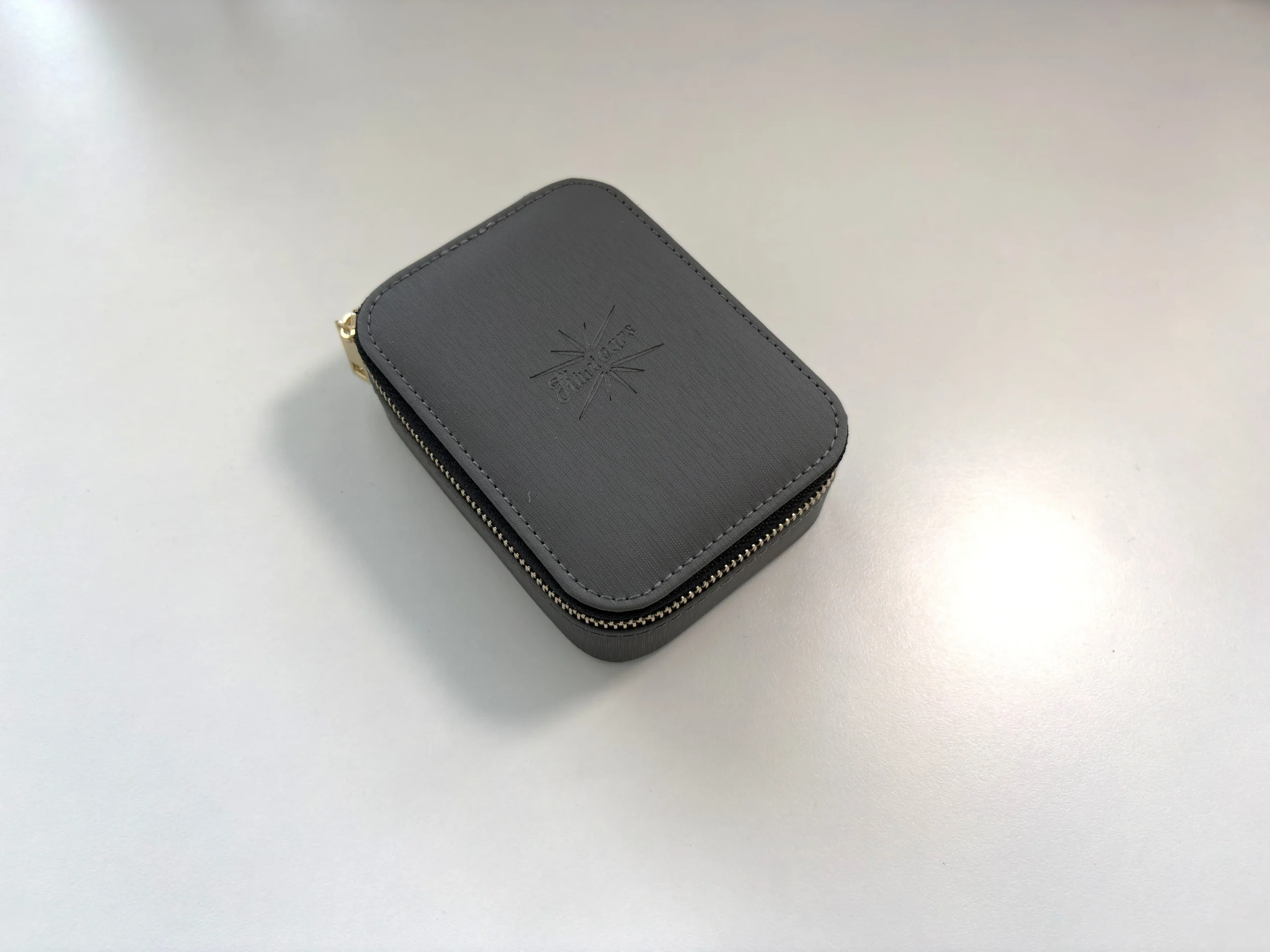
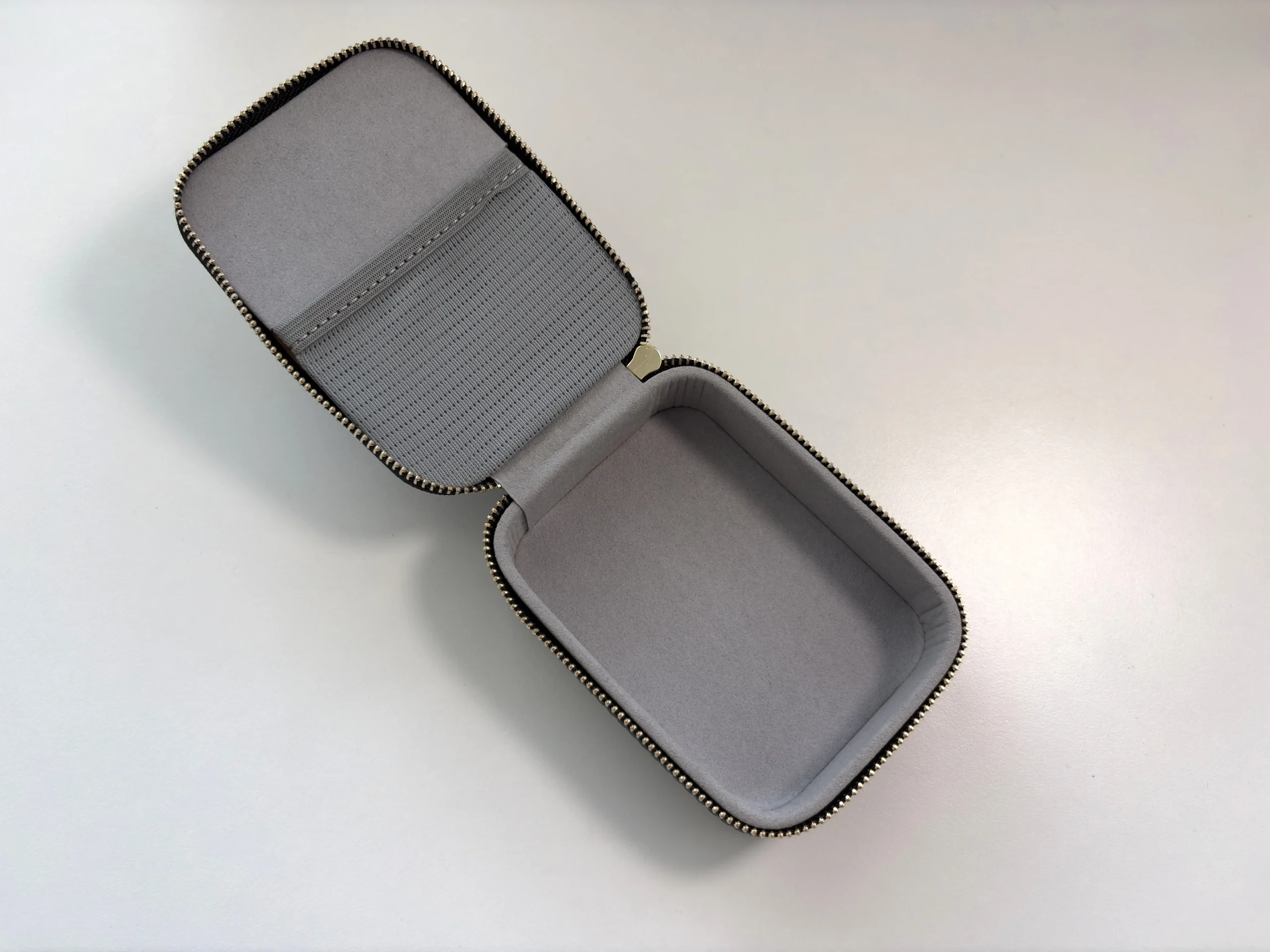


The carrying case represents a significant step up from previous Kiwi Ears offerings. It’s a fairly large zip-up case with a soft fabric lining the inside. The outside of the case feels plastic, but is very solid, so your IEMs will be well protected here.
Overall, the whole package feels in line with what you would expect for the $349 USD asking price.
Design & Comfort
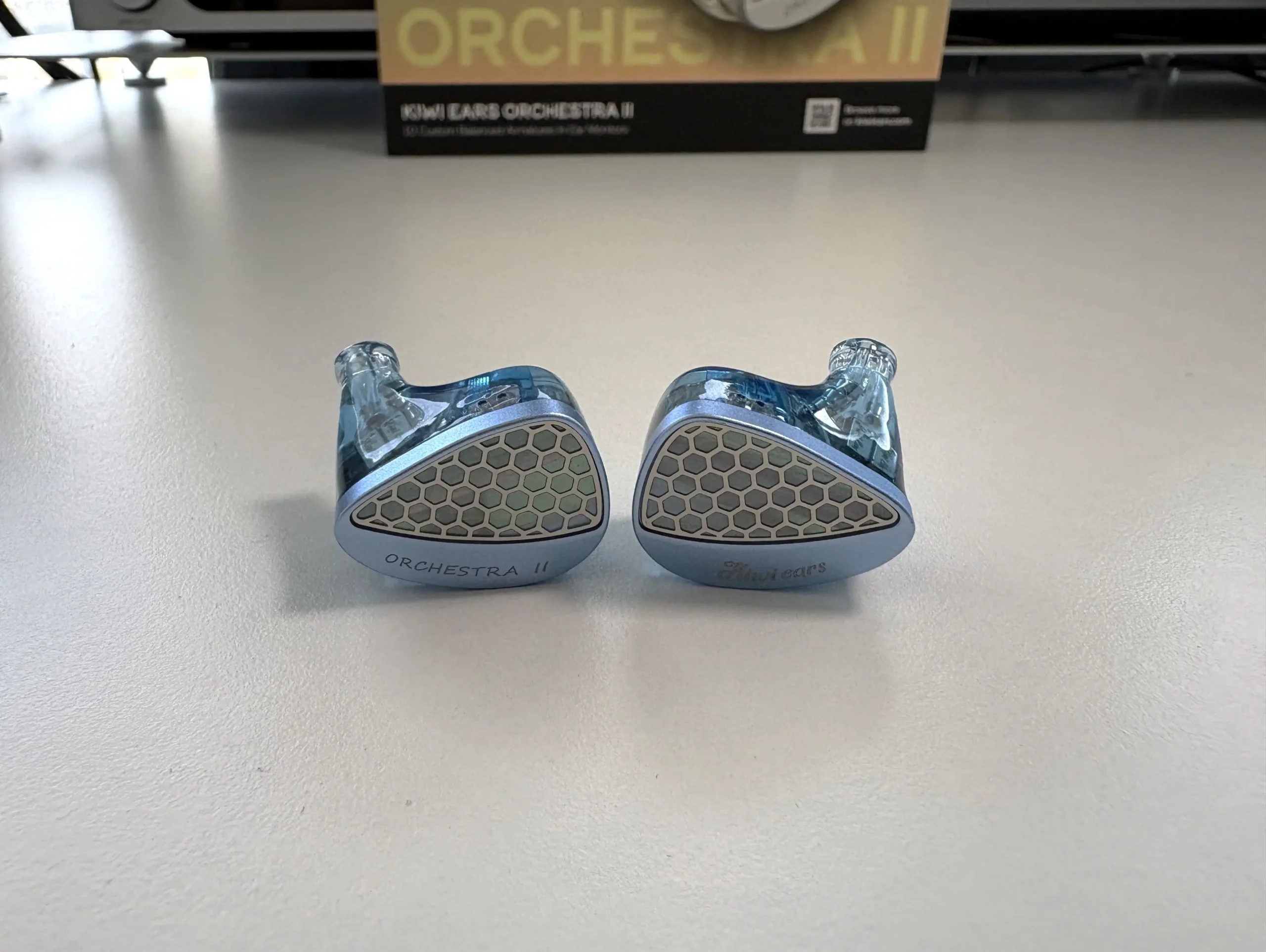
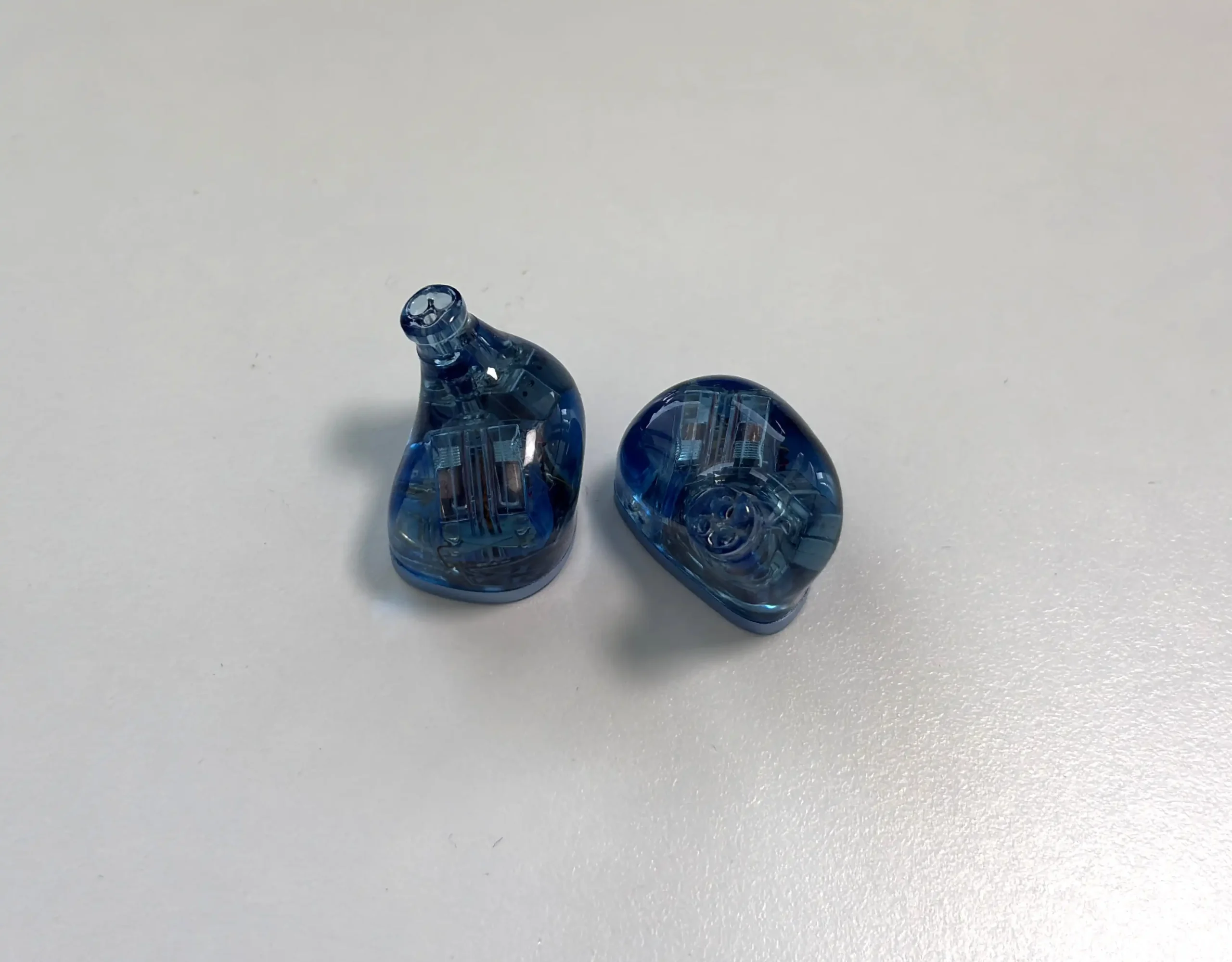
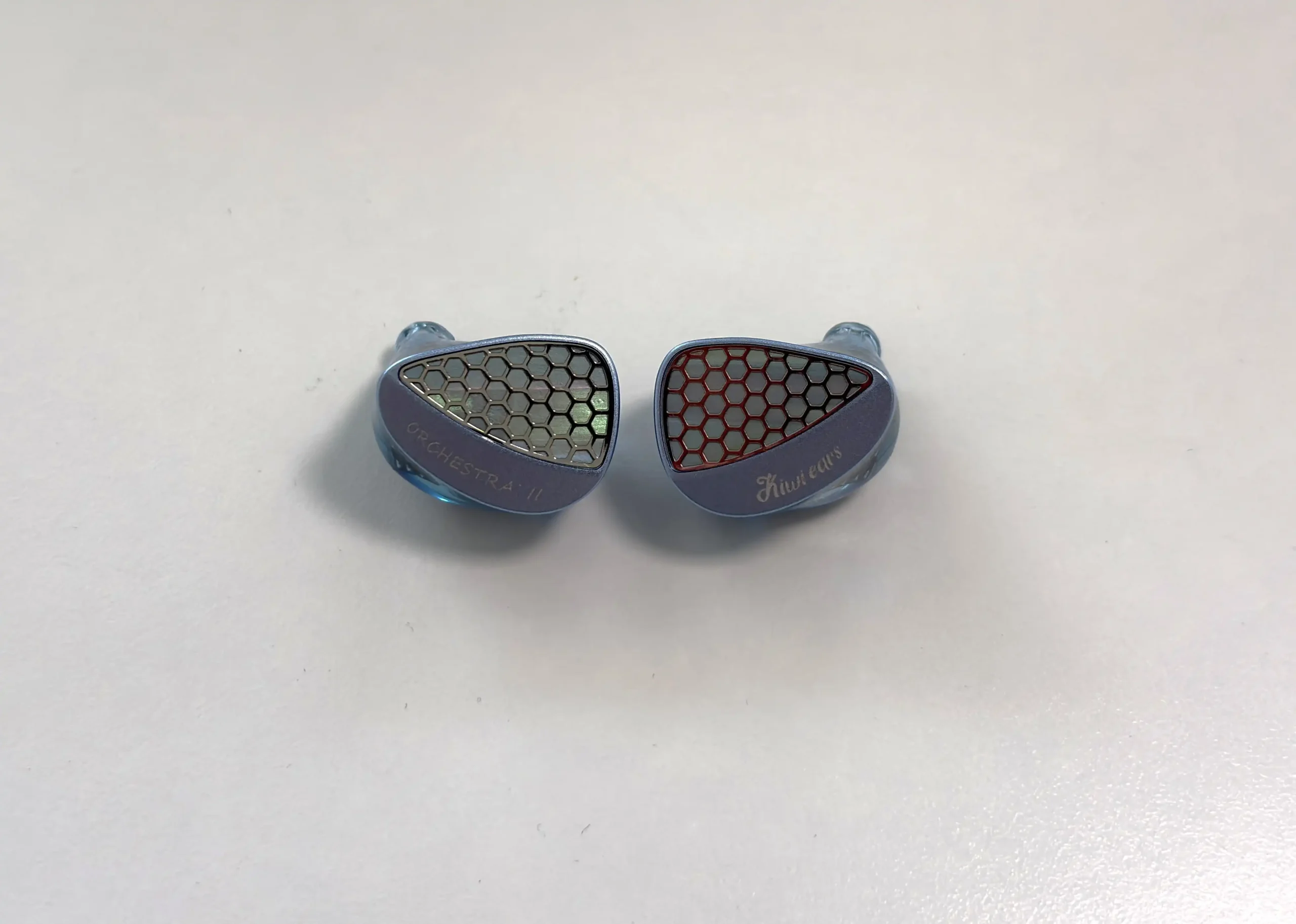
The Kiwi Ears Orchestra II features a completely transparent resin shell that is, honestly, fascinating to look at. You can see the intricate web of wiring, the four-way crossover circuit, and the 10 tiny BA drivers packed into the housing. It gives the IEM a technical, “precision tool” vibe that I personally love. The faceplates feature a subtle honeycomb pattern that adds a bit of mature flair without being overly flashy.
Build-wise, these feel incredibly solid. The resin is dense and smooth, with no visible bubbles or seams. However, I must talk about the size: these are large IEMs. Housing 10 BA drivers and a crossover network requires some amount of real estate, and while the ergonomic contouring is excellent, those with smaller ears will find them a bit of a stretch. For my ears, the fit was secure and flush, but I wouldn’t recommend sleeping in these as they do stick out.
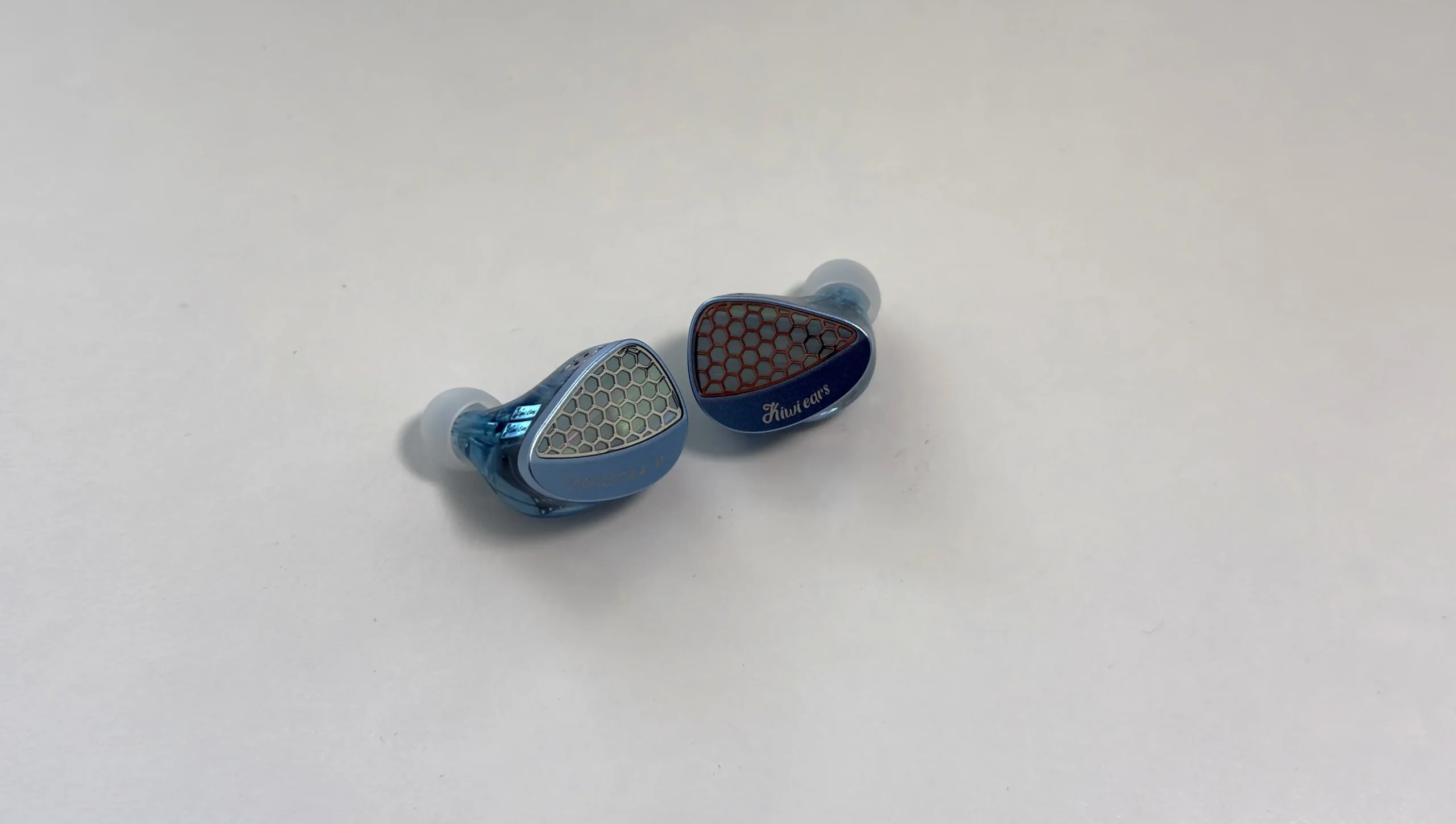
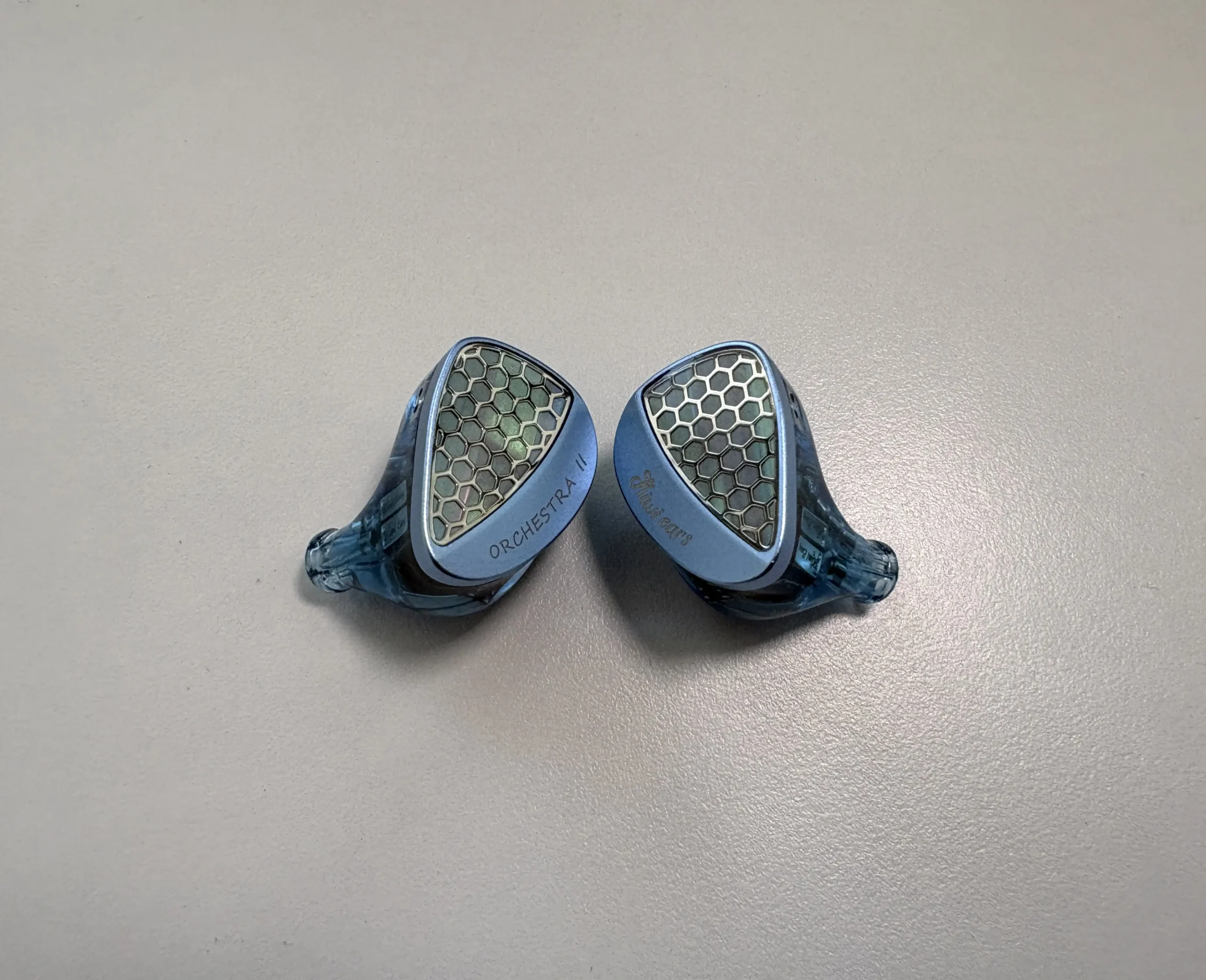


Since these shells are notably large and somewhat bulbous in shape, I was surprised that this wasn’t where I had comfort issues. It was the nozzles that caused some discomfort for me. The nozzles measure ~6.6mm at the widest point, which puts them on the larger side of what’s comfortable for many ears, including mine. I had to experiment with ear tips in order to get a comfortable fit. These IEMs seal very well, but for me, it’s at the cost of comfort. The nozzles are simply a bit too large for me to wear for more than an hour at a time.
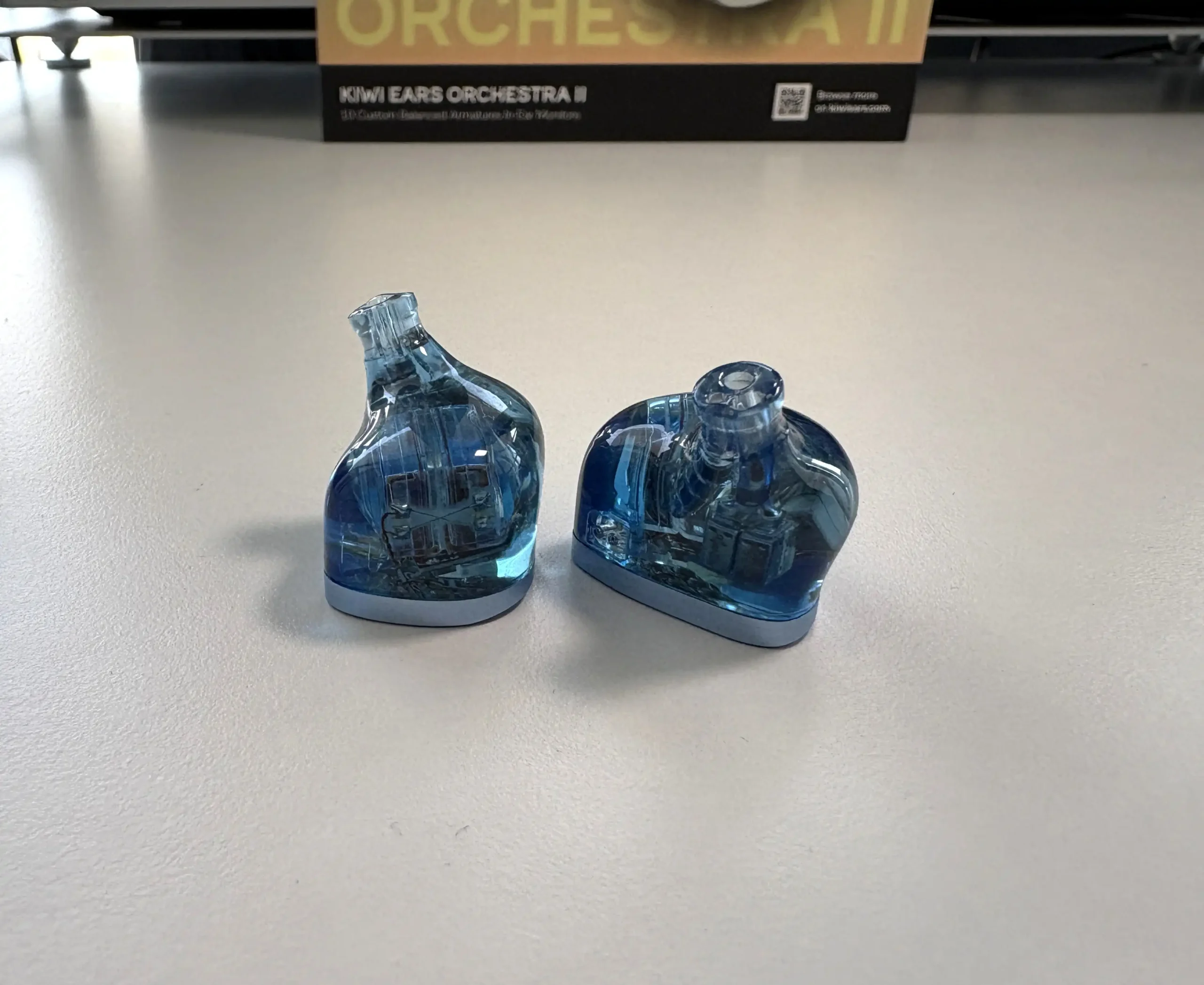
Behind the crystal-clear shells is an impressive, all-balanced armature (BA) setup with 10 custom drivers per side. The driver allocation breaks down into a frequency-focused arrangement that makes sense on paper: 2 transparent low-frequency BAs handle bass duties, 4 mid-frequency BAs manage vocals and instruments, 2 high-frequency BAs cover treble, and 2 ultra-high-frequency BAs extend the top end.


Efficiency & Sensitivity
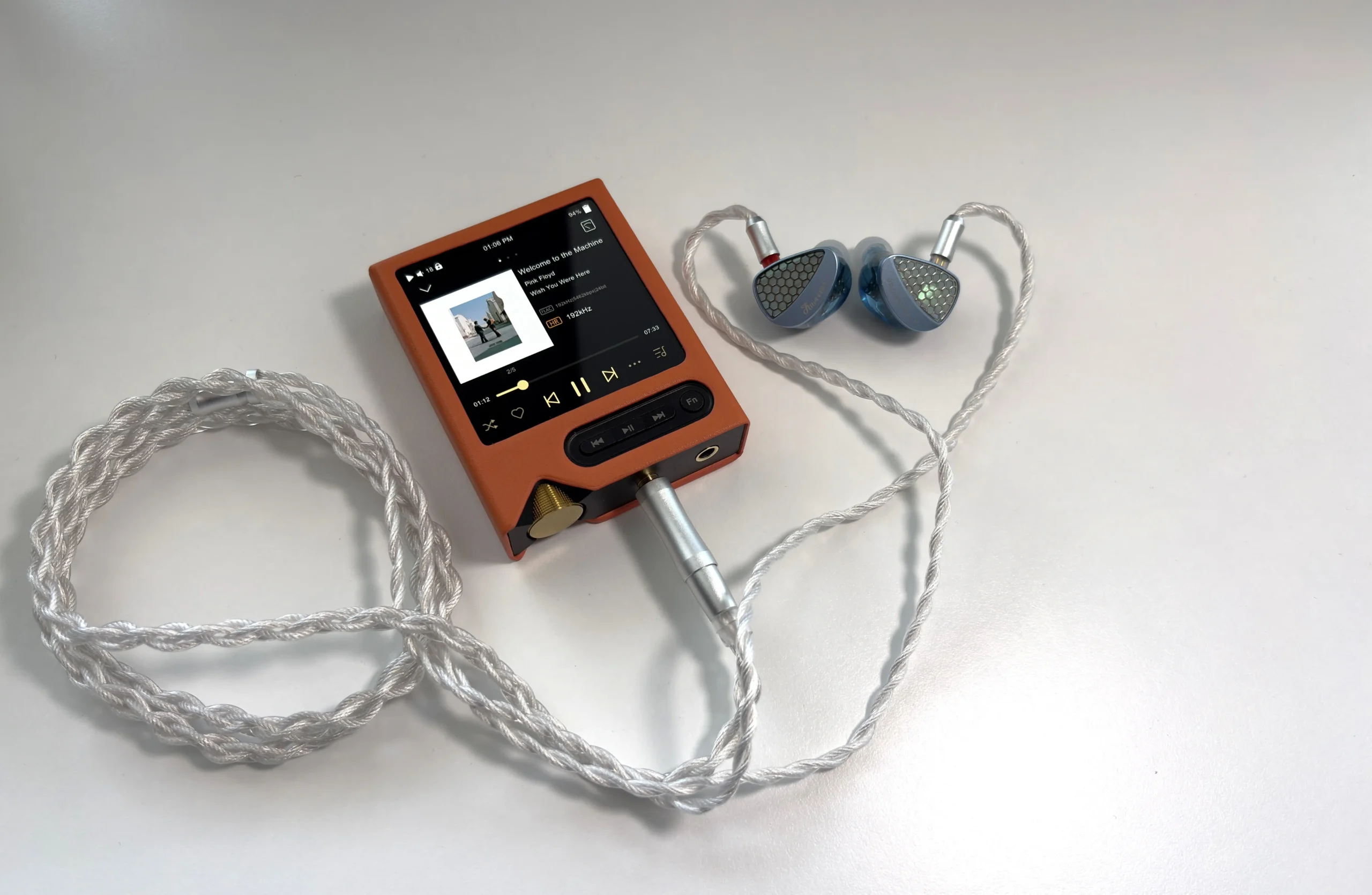
The Kiwi Ears Orchestra II measures 110dB SPL/mW for sensitivity and 15Ω for impedance. These numbers mean the Orchestra II has efficient power handling that should work well with most sources. I found that smartphones, dongles, and basic portable gear drive the Orchestra II without strain, though better sources still provide benefits in clarity and control.
Sound Quality
Sources used for this review:
- iBasso DX180
- ONIX Tocata XM2
- Shanling M3 Plus
Links to my music playlist used for the majority of testing:
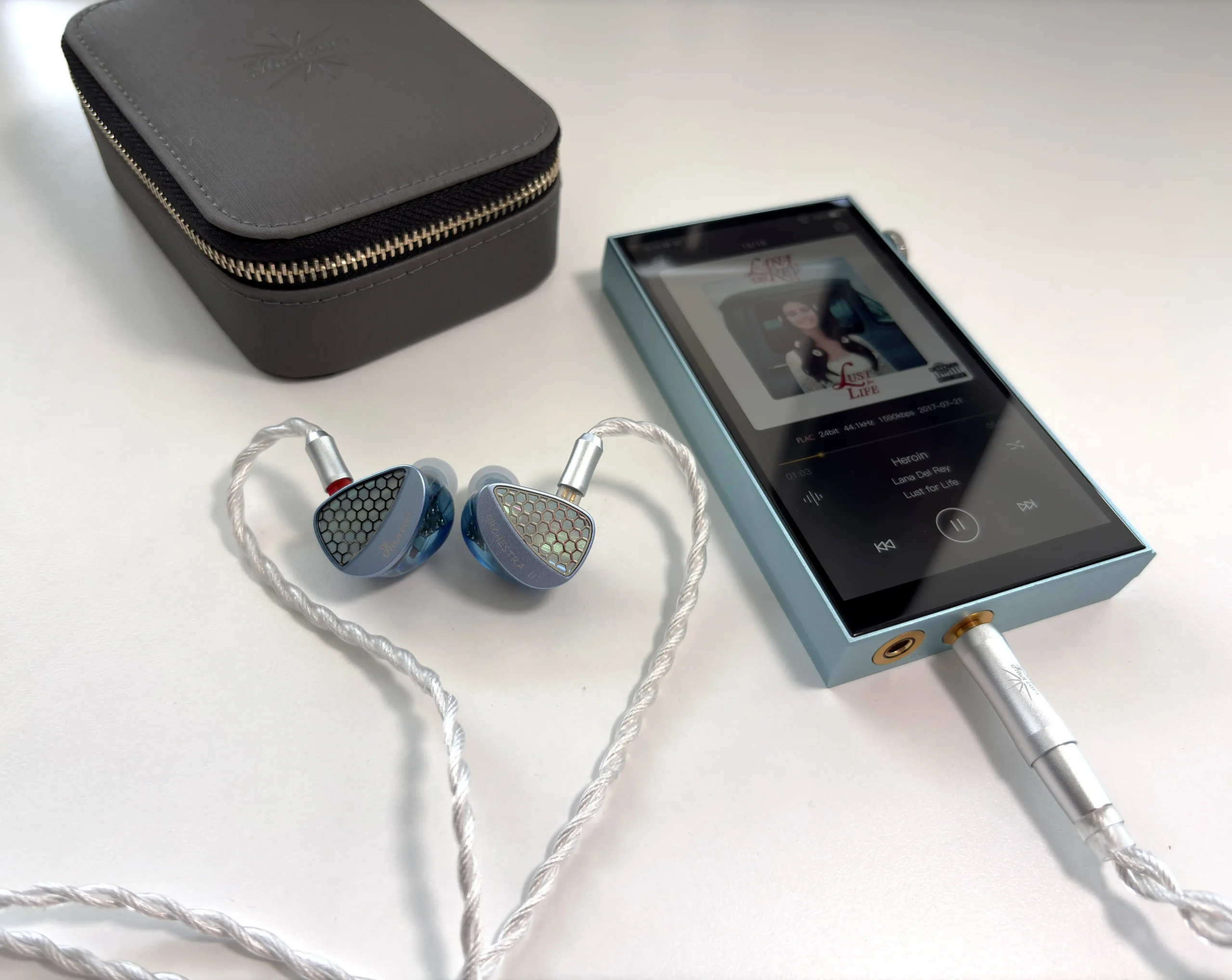
The Kiwi Ears Orchestra II has a broadly balanced, mid-centric sound signature with a lifted sub‑bass, cleaner lower midrange, and an energetic upper‑midrange/treble region that leans airy. One could call this a mild U-shaped tuning with an open and transparent sound.
The Orchestra II shines with modern genres like hip-hop, electronic, and pop. The sub-bass emphasis and elevated treble create engaging presentations that can outperform more neutral competitors in these specific genres. Classical, rock, folk, and R&B also benefit from those dedicated BA drivers. Before getting into the more specific sound impressions, one thing that I did notice is that the Orchestra II really excels at lower volumes and performs terribly at higher volumes. The more you increase the volume, the more you lose the midrange.
Bass
I’ll be honest, I wasn’t expecting much from the low-end given how many all-BA IEMs struggle here, and how much of a fan I am of the dense dynamic driver bass performance. The sub-bass delivers satisfying rumble and texture without the thinness typical of balanced armature configurations.
In the Dire Straits’ song Money for Nothing, the low-end stays taut and articulate rather than pursuing massive slam. This isn’t the type of bass response that will satisfy bassheads, but it’s remarkably well-controlled and textured. Bass lines maintain excellent separation from the midrange, never bleeding or smearing, even during very busy tracks. The acrylic housings appear to deliver more natural decay compared to older all-BA implementations.
Extension reaches impressively deep with noticeable texture and detail. Mid-bass remains relatively restrained, providing enough body for bass guitars without the rounded warmth of dynamic drivers. Speed and definition dominate here, with lightning-fast transient attack and clean decay. Overall, I’m impressed.
Midrange
The midrange exhibits natural tonality with a mild U-shaped character. Female vocals emerge with strong energy and forward positioning, particularly benefiting higher-pitched voices. Testing with tracks from Lana Del Ray and Kate Bush showcased exceptional transparency, revealing subtle inflections and breath control.
Male vocals from artists like Mark Lanegan, Nirvana, and Pink Floyd sound bold and rich, but do lack the body at times from the restrained mid/upper bass region. Not really a huge issue for me as the detail is still there, and vocals overall have a natural tonality to them that helps make them sound immersive.
Piano, guitars, and acoustic instruments all present with lifelike spatial cues. Classical tracks demonstrate excellent separation, with string quartets and orchestral sections clearly positioned. The Orchestra II really shines with complex arrangements where driver coherence matters most.
Treble
The treble frequencies show refinement over the Orchestra Lite, extending further while maintaining smoother balance and control. Detail retrieval competes with pricier options, too. Cymbals and hi-hats carry crisp attack with natural decay. Listening to Radiohead’s Lucky revealed proper sparkle without glassiness or sibilance at higher volumes.
The extension provides convincing air and space, though treble-sensitive listeners may find occasional tracks too energetic. The all-BA configuration really benefits the treble response compared to what you’d typically expect at this price point. It might be my favorite aspect of the Orchestra II.
Technical Performance
Spatial presentation remains IEM-typical in size rather than expansive. Don’t expect headphone-like width, but instrument placement and separation excel within that intimate space. Testing with Yosi Horikawa’s Letter demonstrated precise left-right positioning with natural decay.
The 10-driver configuration shows its strengths in layering and instrument separation rather than creating an artificially wide soundstage. Complex passages remain untangled with impressive layering capabilities. Separation handles busy mixes effectively, maintaining clarity across simultaneous instruments. The Orchestra II manages to keep everything organized even when tracks get chaotic, which isn’t something you can say about every multi-driver IEM at this price.
Lastly, one aspect that I think really makes the Orchestra II special is the way in which it is able to project the sound around, as opposed to just at you. It somehow is able to trick your brain into thinking you’re getting a wall of sound projected towards you, which makes essentially every live recorded track I listened to sound incredibly immersive and engaging. One of my favorite live albums is Alice in Chains’ MTV Unplugged album, and it the Orchestra II handles it effortlessly and makes it sound as if you are there.
Final Thoughts
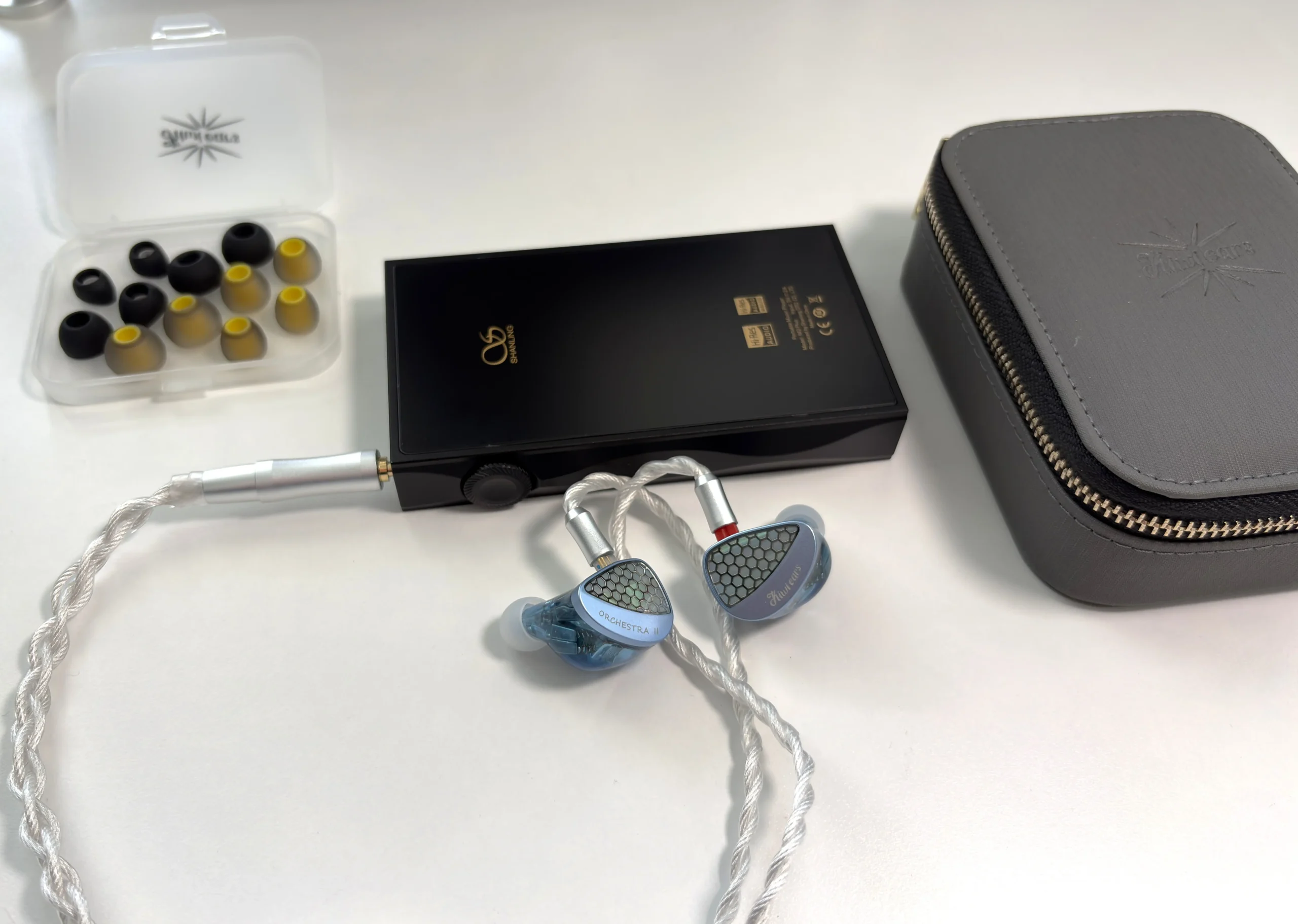
The Kiwi Ears Orchestra II surprised me more than I expected it would. For $349, this 10-BA configuration delivers genuinely impressive technical performance, especially in areas where all-BA designs traditionally struggle. The bass response caught me off guard as it has actual texture and impact rather than the thin, anemic low-end you typically get from balanced armature drivers, but you still won’t get the dense bass response of dynamic drivers from it. The treble is where I am ultimately the most impressed, especially in how it is able to give you so much air and space without becoming too sibilant.
My biggest reservation remains the large nozzles. If you have smaller ears, this could be a dealbreaker, so I would urge you to try these before buying to make sure they have a proper fit.
The Kiwi Ears Orchestra II works best for listeners who prioritize isolation and detail retrieval over compact comfort or deep bass. The shells block outside noise remarkably well, and for me, are among the best universal IEMs I’ve tested for passive isolation.
Overall, if the shells work for your ears, and the tuning suits the sound you’re looking for, the Kiwi Ears Orchestra II offers solid value in the competitive $300-400 range.

Buy from Linsoul: https://www.linsoul.com/products/kiwi-ears-orchestra-ii?sca_ref=5236667.OhF52MYHpZ
Buy from Amazon: https://amzn.to/4daYirR
Buy from AliExpress: https://s.click.aliexpress.com/e/_c38K0O39
The above links may be affiliate links. All commission earned through them goes directly to maintaining this site and bringing you more audio reviews.
I’m not always able to cover all the details of a product, both hardware and software, in our reviews. If you have any specific questions about this product, please feel free to leave a comment or contact me directly.
Be sure to check out our excellent Buyer’s Guides, as well as our other Reviews.
HiFi Oasis Verdict
HiFi Oasis Verdict-
Design & Comfort7/10 Good
-
Sound8/10 Very good
-
Features/Accessories8/10 Very good
-
Value8/10 Very good
Pros
- Excellent technical performance (layering, separation, imaging)
- Impressive sub-bass for an all-BA setup (textured, controlled, good extension)
- Clean, natural midrange with strong vocal presence
- Energetic, airy treble with strong detail retrieval
- Performs especially well at lower listening volumes
- Highly engaging presentation (especially for live recordings)
- Premium accessory package
- Efficient and easy to drive
- Transparent shell design looks unique and technical
- Excellent passive isolation
Cons
- Large shell size may not fit smaller ears
- Nozzles are wide and can cause discomfort
- Bass lacks the physical slam and weight of dynamic driver IEMs
- Friction-fit cable plugs may loosen over time vs. screw-lock designs