




Disclosure: I’d like to thank Sivga for providing me with the SM100 for this review. All thoughts and opinions are my own, and Sivga had no say or input on the contents of this review.
The Sivga SM100 enters the highly competitive budget audio market with an MSRP of around $40 USD. The SM100 features a 10 mm single dynamic driver in a dual-chamber design, and it’s positioned as an all-rounder for both music listening and gaming. In fact, Sivga specifically markets the SM100 as delivering an “immersive experience across both music and gaming”, with impactful in-game explosions and intimate vocals in music playback. If this is true, it makes it an attractive choice for budget-conscious audio enthusiasts or gamers looking for one IEM to serve both purposes. Sivga is better known for their headphones, and earlier IEMs (like the Que and Nightingale series), and the SM100 represents their latest sub-$50 offering. The goal here is a value-oriented earphone that doesn’t skimp on build quality or tuning, and based on my time with it, the SM100 largely succeeds in delivering a premium-feeling and a pleasant sound at an entry-level price. Alright, let’s get into it.
Key Specifications
- Product Page: https://sivgashop.com/products/sm100?variant=47321437307136
- MSRP: ~$40 USD
- Type: IEM (in-ear monitor)
- Driver Type: 10mm Dynamic Driver (DD)
- Impedance: 27 ohms
- Sensitivity: 107 dB SPL
- Weight: 7 grams per earbud
- Connection: 0.78mm 2-pin connector
- Detachable Cable: Yes
In the Box
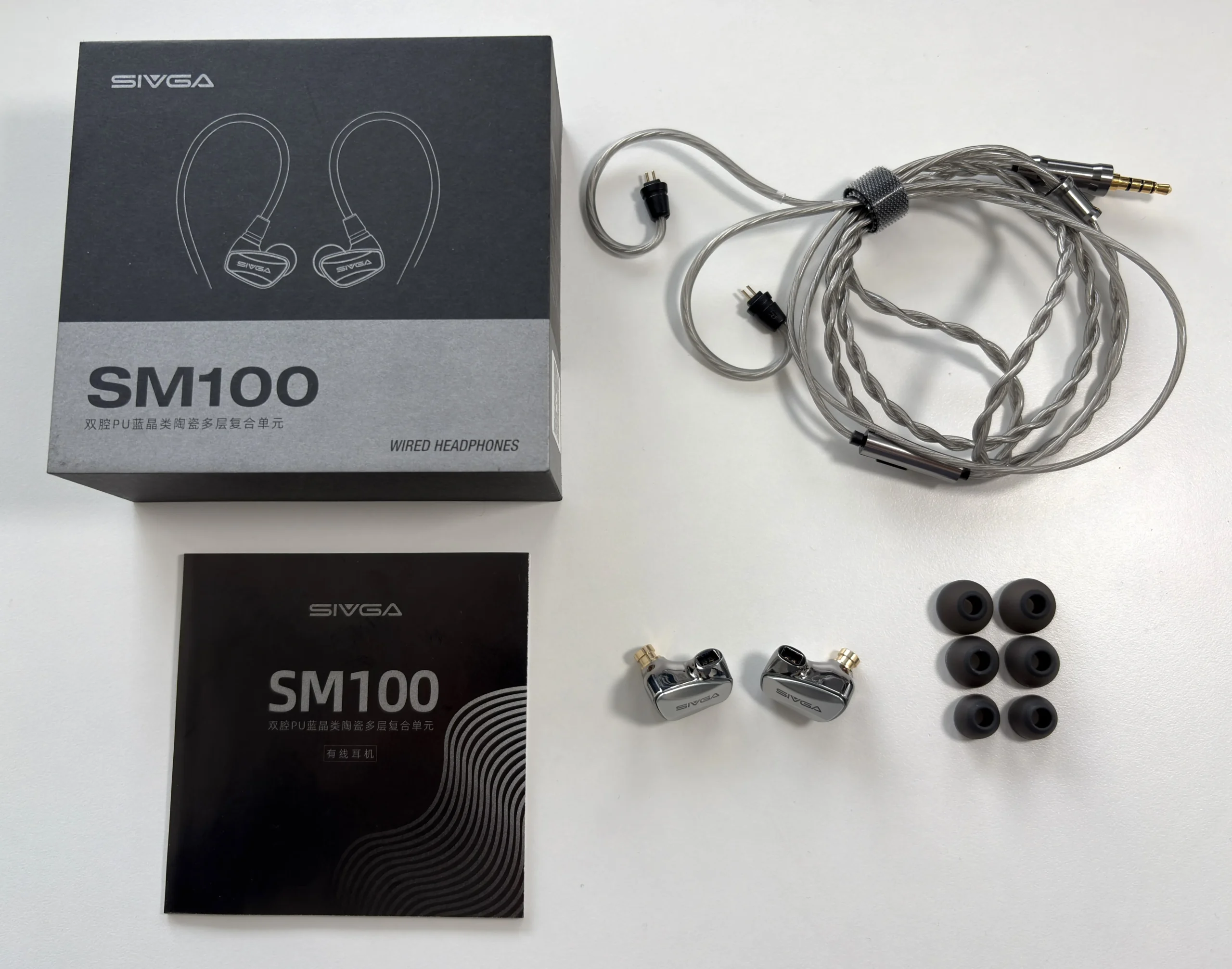
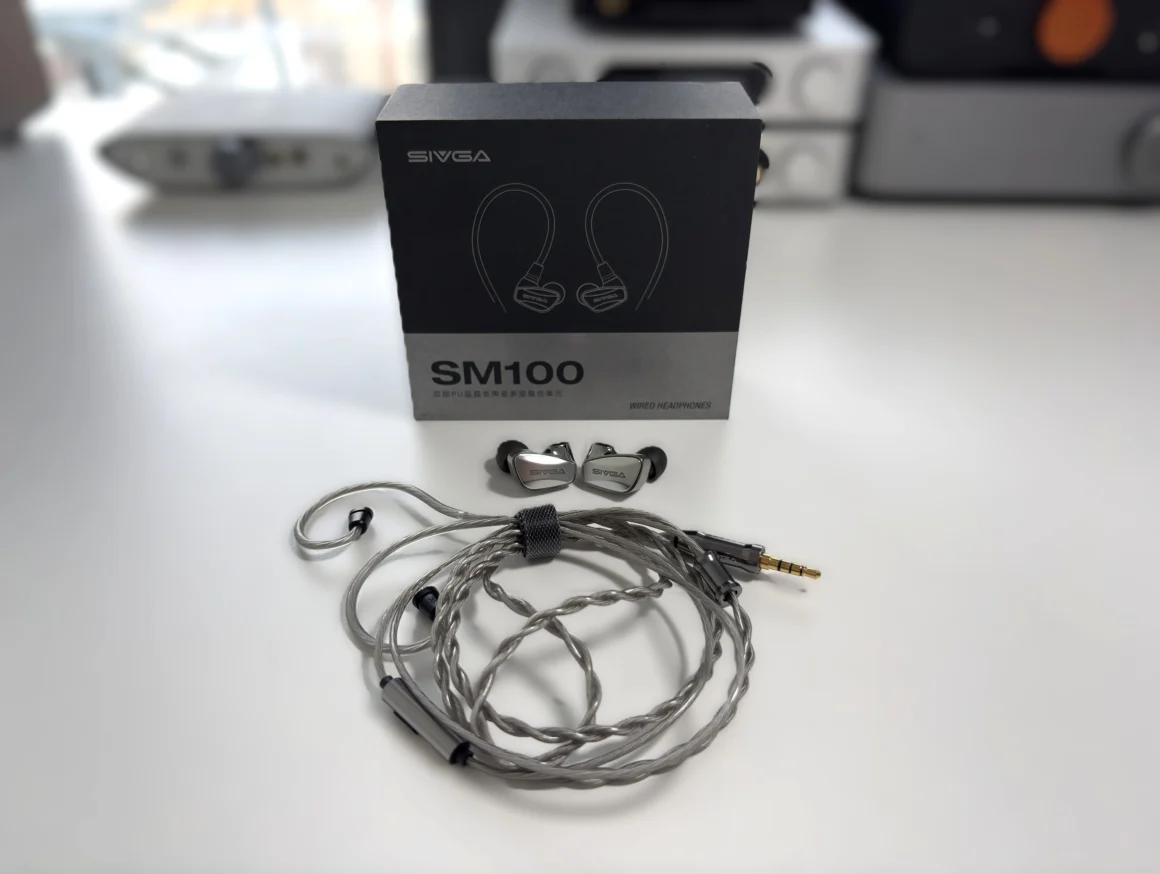
- Sivga SM100
- 1.2 meter silver-Plated Copper cable with an inline microphone and a 3.5mm termination
- 3 sets of S, M, L silicone eartips
- Manual
Design & Comfort
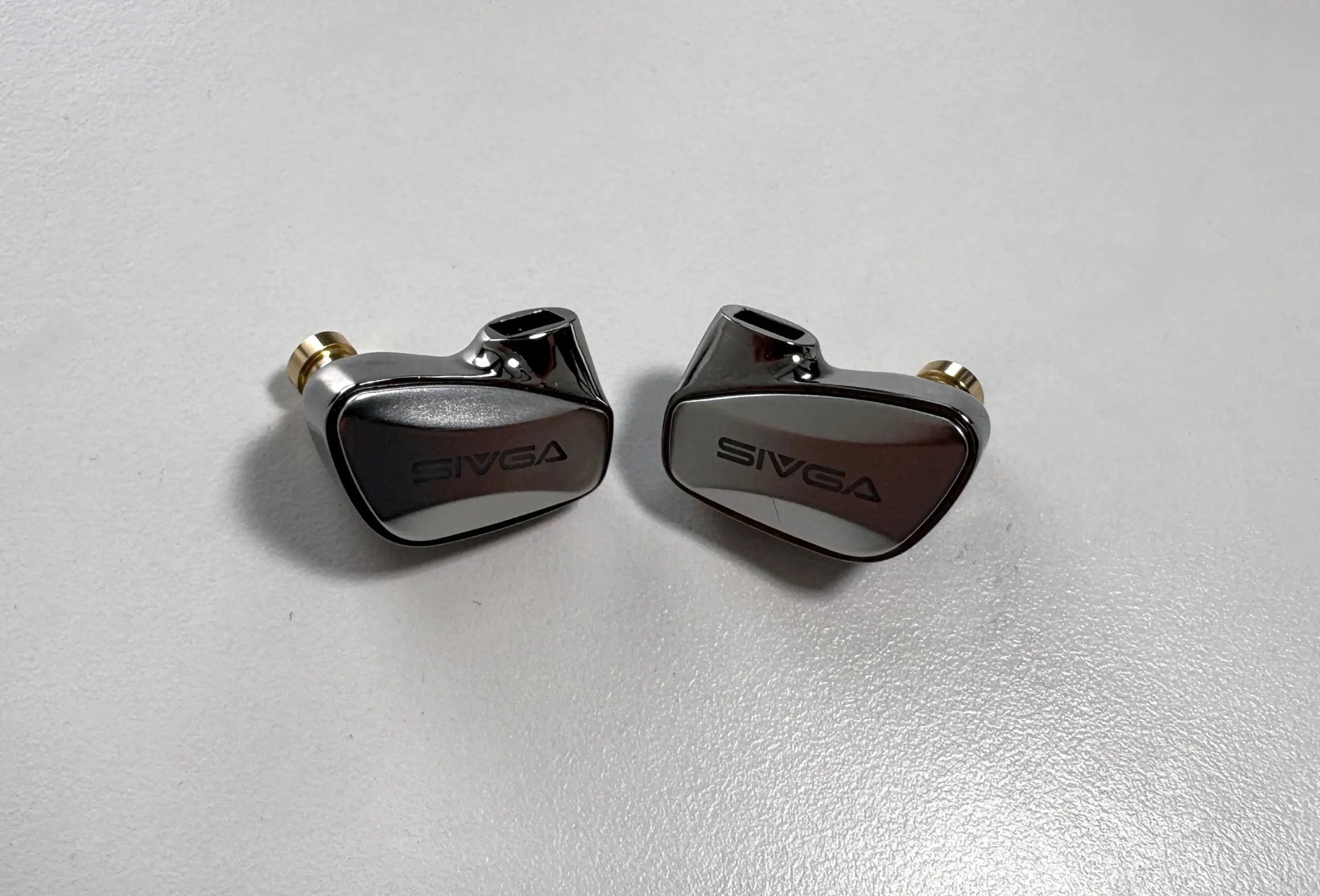
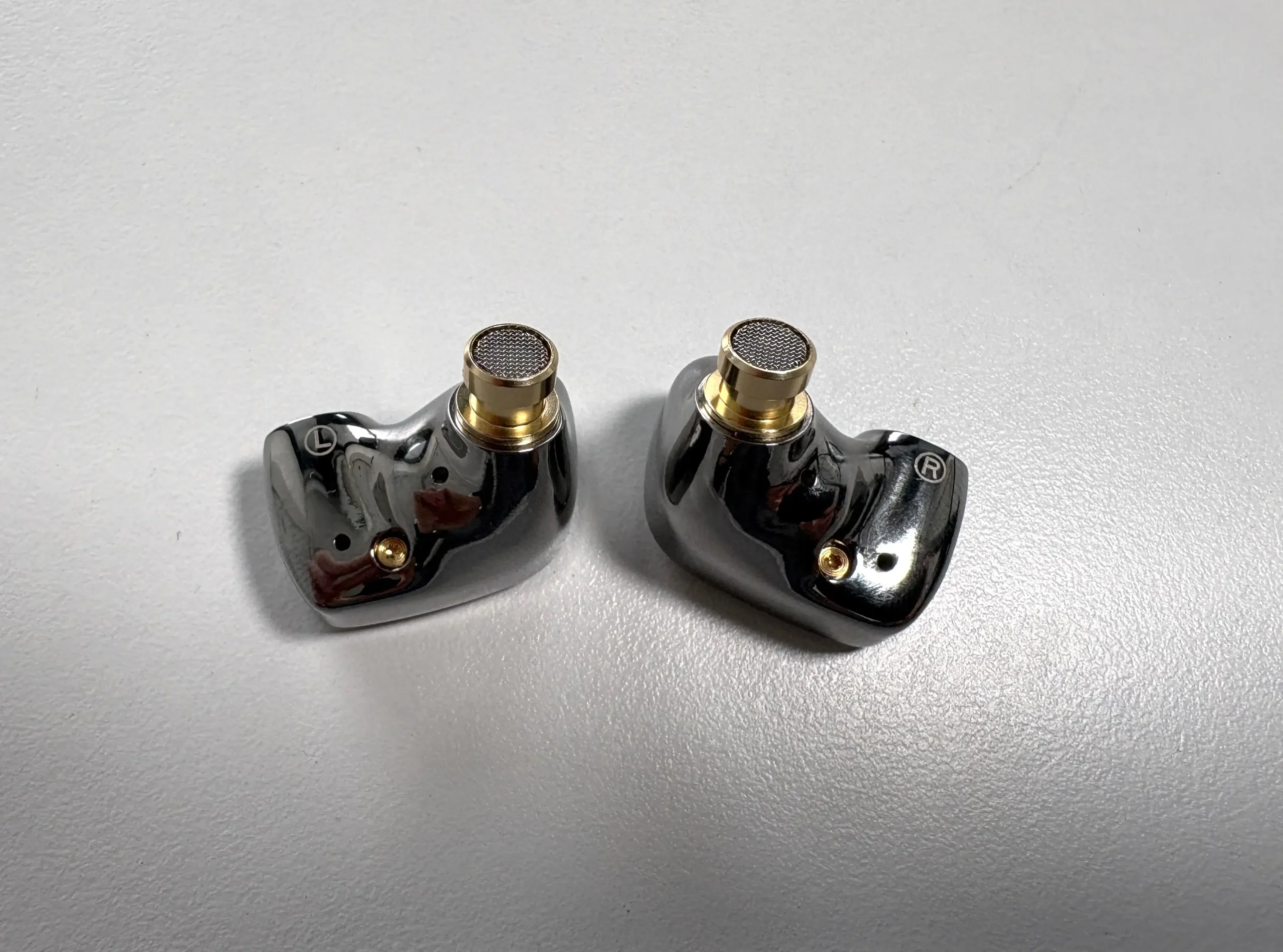
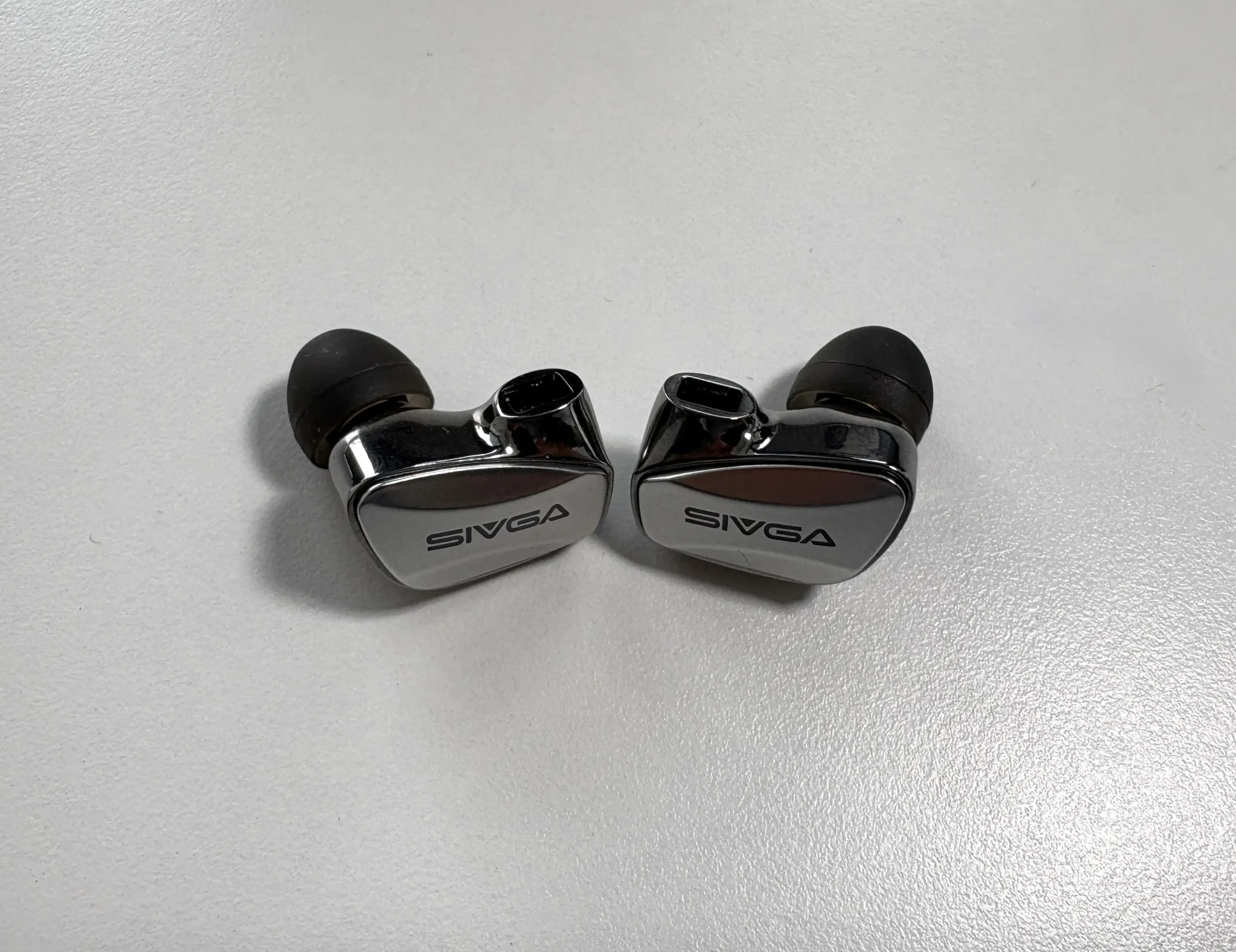
The Sivga SM100 definitely aims to impress. The entire shell is made from a high-density zinc alloy, giving it a solid and dense feel in the hand without being too weighty. The faceplate has a sleek, futuristic vibe with a SIVGA logo, and overall, it stands out compared to generic resin shell designs. The distinctive aesthetic reinforces the premium build, and the smoothness of the metal housing accentuates the slim profile that these IEMs have. The slimmer than usual shape doesn’t hinder comfort, at least for me. The ergonomic contours of the shell and its smaller size allow the SM100 to sit snugly in my ear using the smallest-sized eartips. I have average-sized ears, and I was able to wear these for hours at a time with no discomfort from the shell. The nozzles are metal and have an average length and diameter. A pressure relief system comprising of two vent holes sits on either side of the screw on the inside part of the shell.
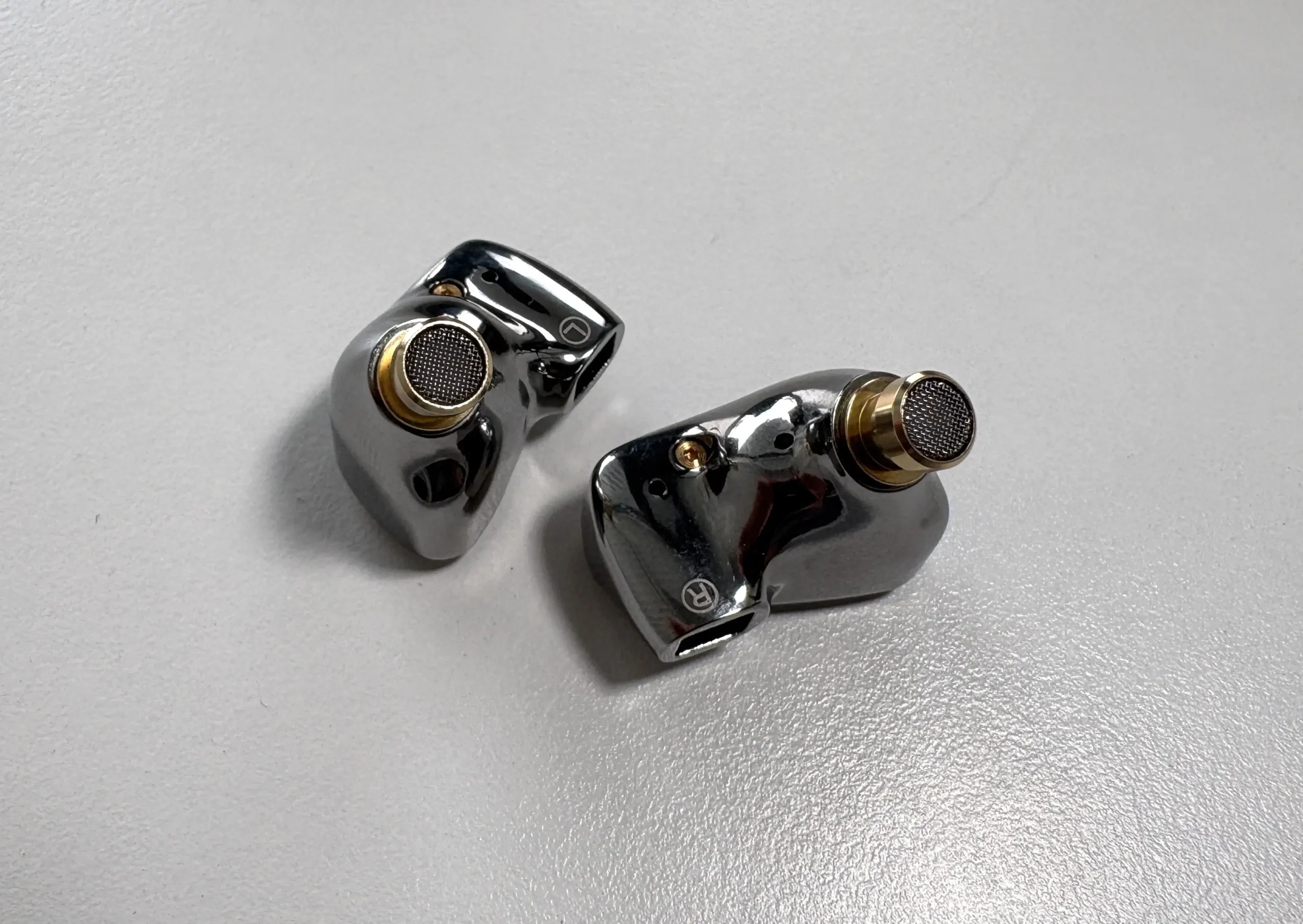
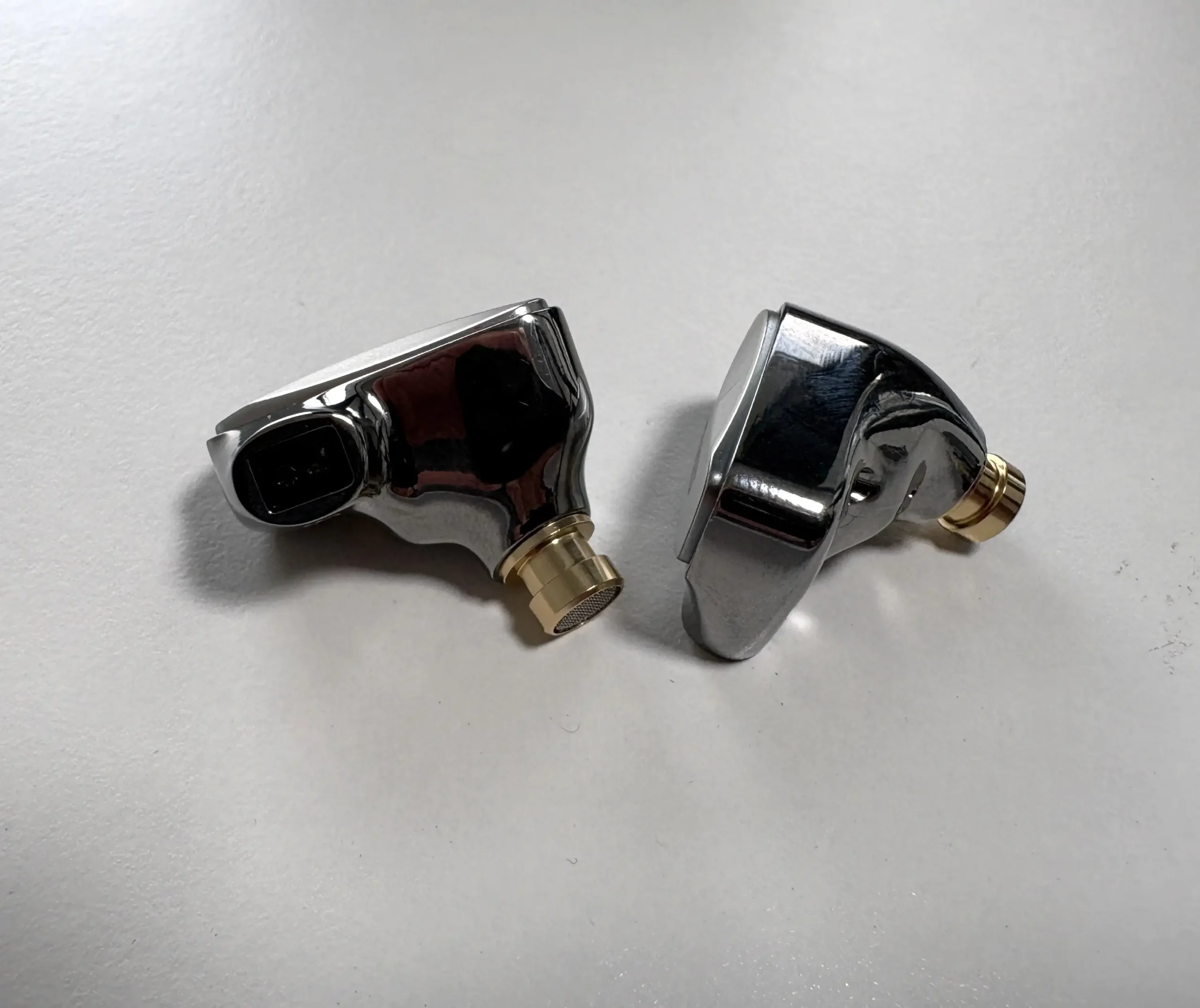


Sivga includes three sizes of silicone eartips (S, M, L), but here I did run into a minor issue: the stock tips are a bit soft and flimsy and didn’t provide me with the best seal. Even the smallest tip felt slightly loose in my ears (though it fit the best for me of the three). With the right tips, isolation is decent, and everyday noises are dulled, though not completely silenced. It’s enough to enjoy music or games without distraction, but don’t expect above-average passive noise isolation. I used the stock tips for the entirety of my testing.
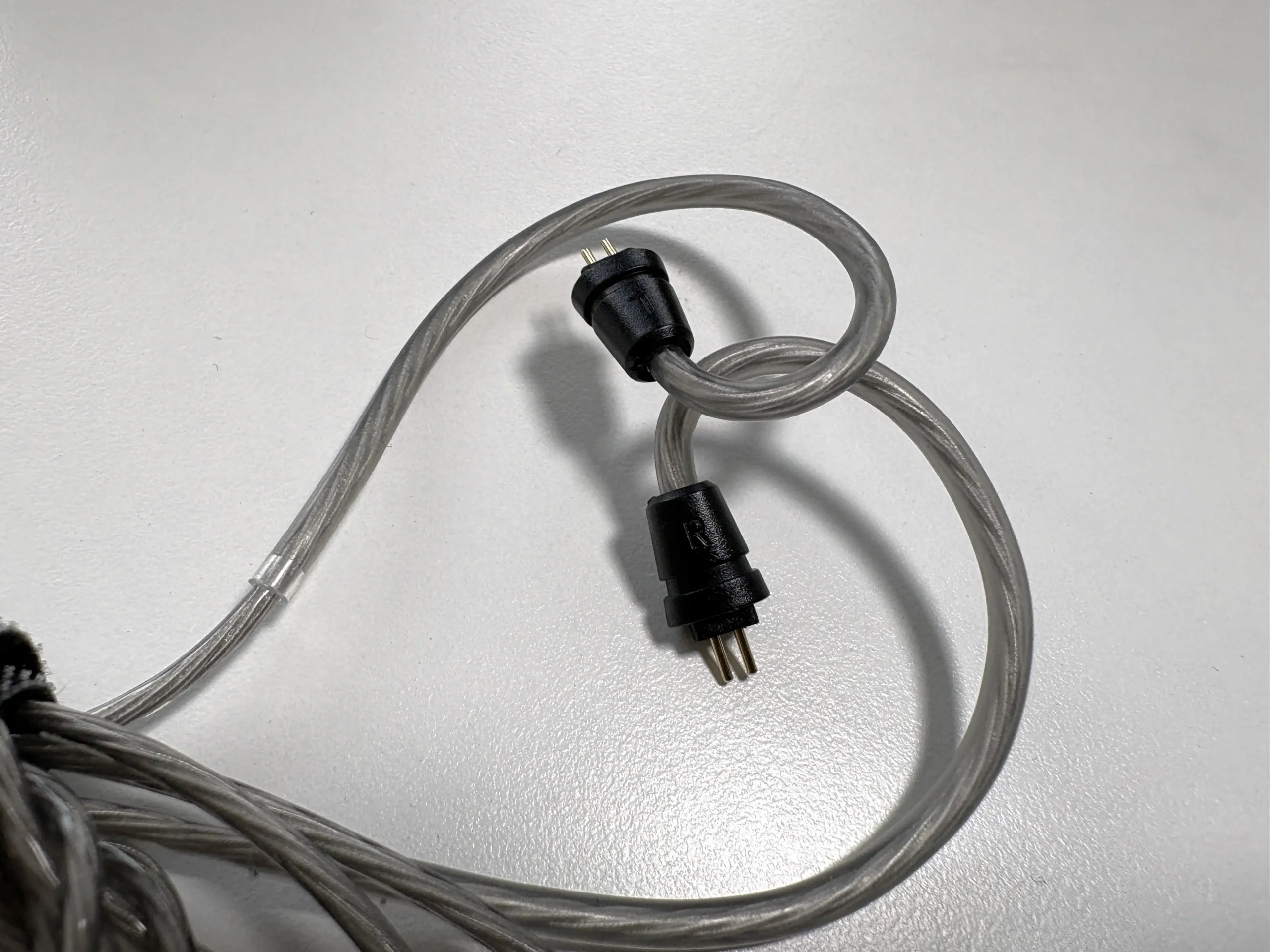
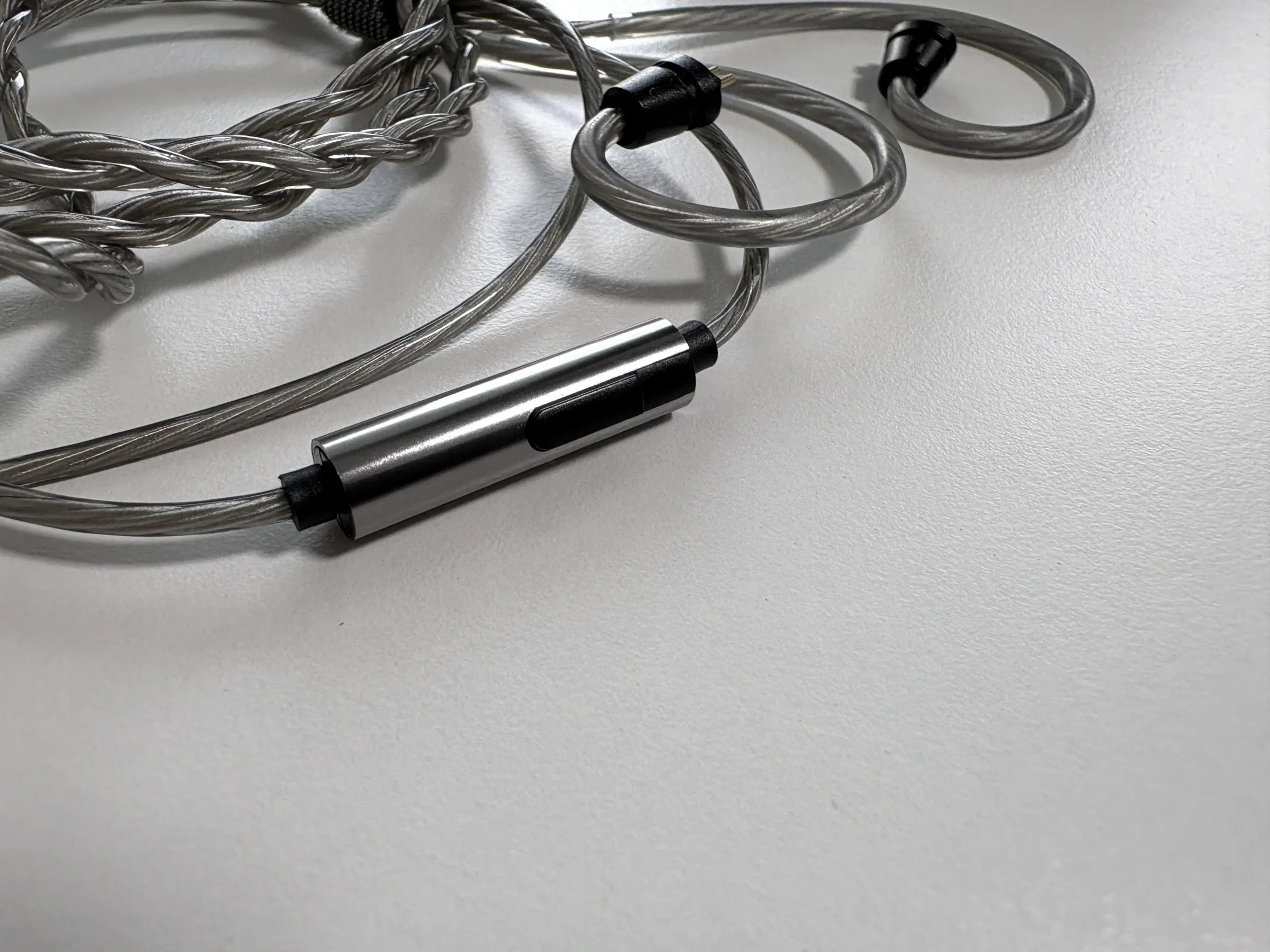
The SM100 uses a standard 0.78 mm 2-pin connector for its cable connection, and the included silver-plated copper (SPC) cable looks and feels surprisingly nice for a budget IEM. It has a built-in microphone with a single button for controlling play/pause and calls, underscoring that gaming/chat and phone use were part of the design goals. I found the cable to be light and mostly tangle-resistant, with no noticeable microphonics (cable noise) when moving around or turning my head. Also worth noting is that the cable is on the thinner side, which I actually prefer for portability, as it easily coils up.
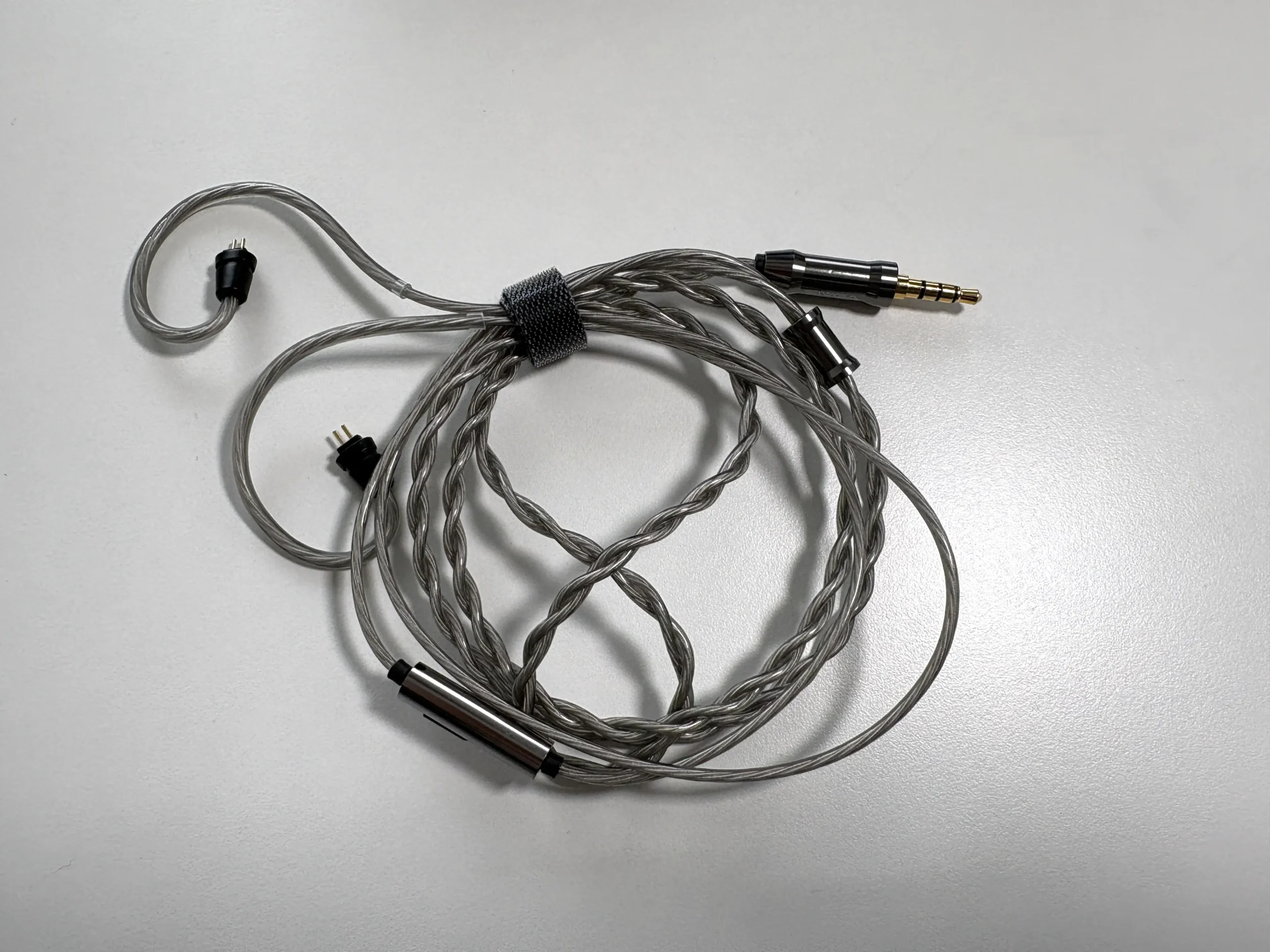
Accessory-wise, the SM100’s package is pretty minimal. Aside from the eartips and cable, you only get a basic user manual. No carry pouch or case is included. This is a bit of a letdown (I always appreciate at least a soft pouch for storage), but it seems Sivga allocated the budget to the IEM itself rather than extras. Given the sub-$50 price tag, the lack of frills is understandable, even if a simple pouch would have been nice. On the whole, Sivga nailed the design and build for an IEM in this class.
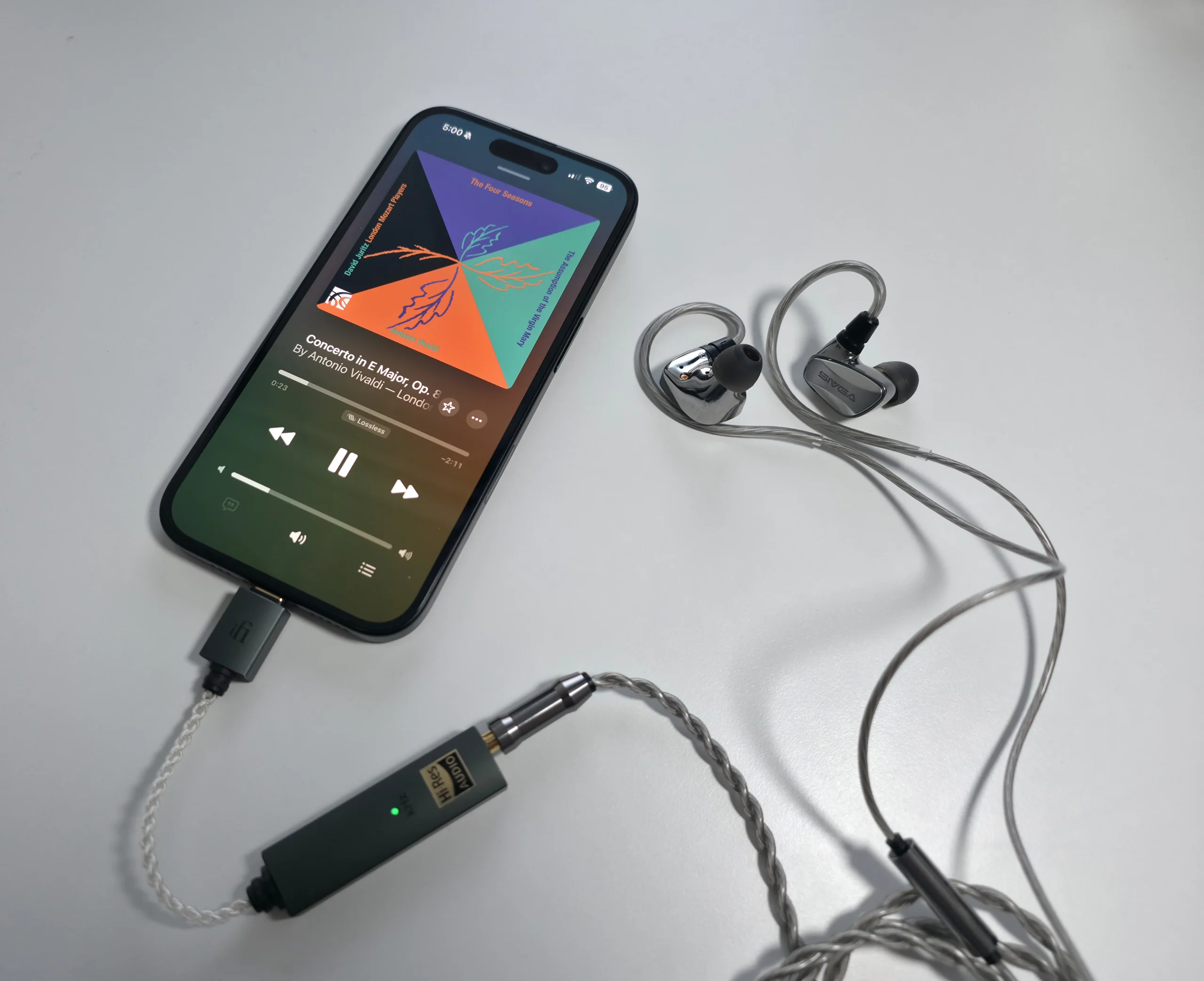
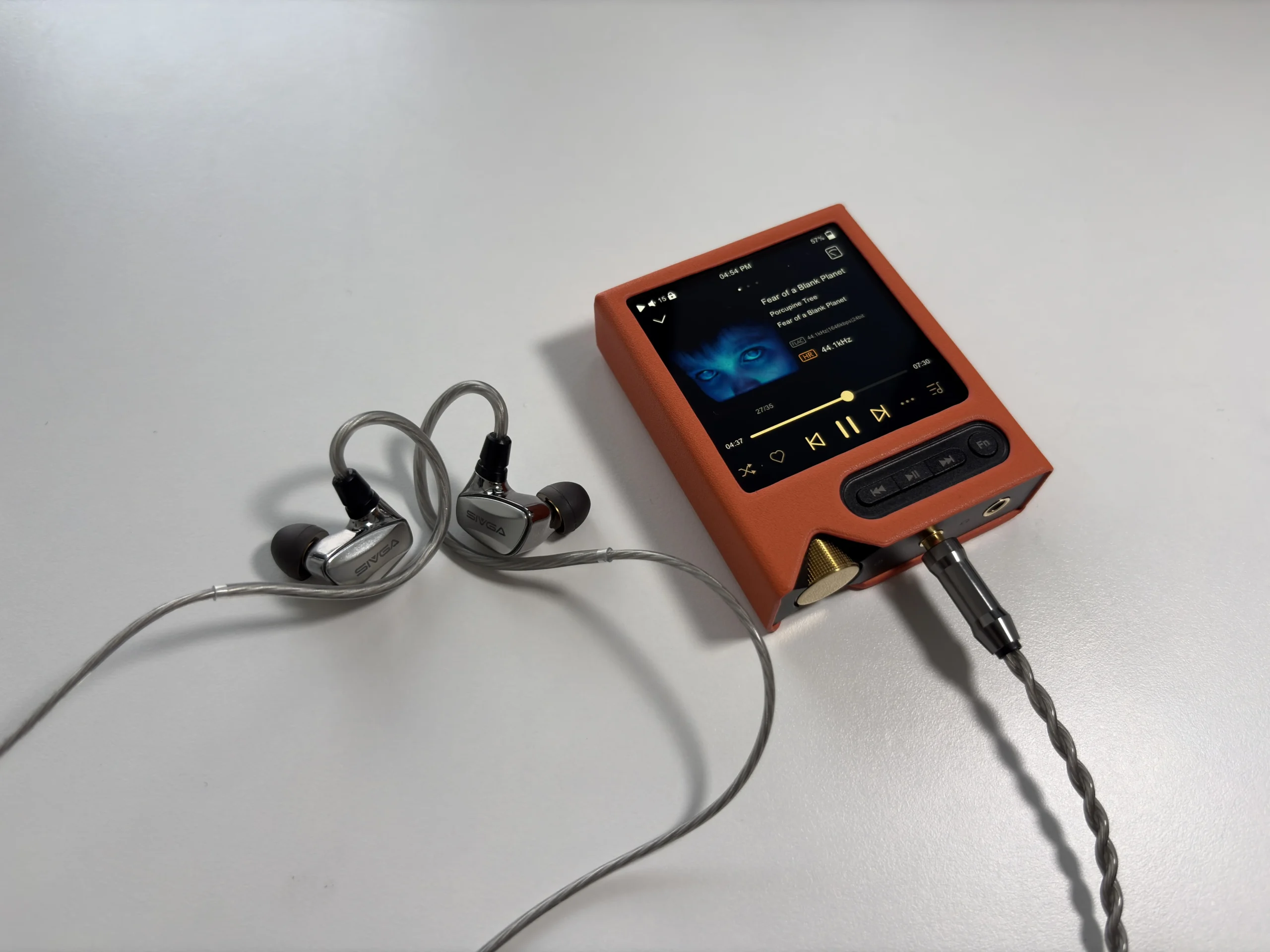
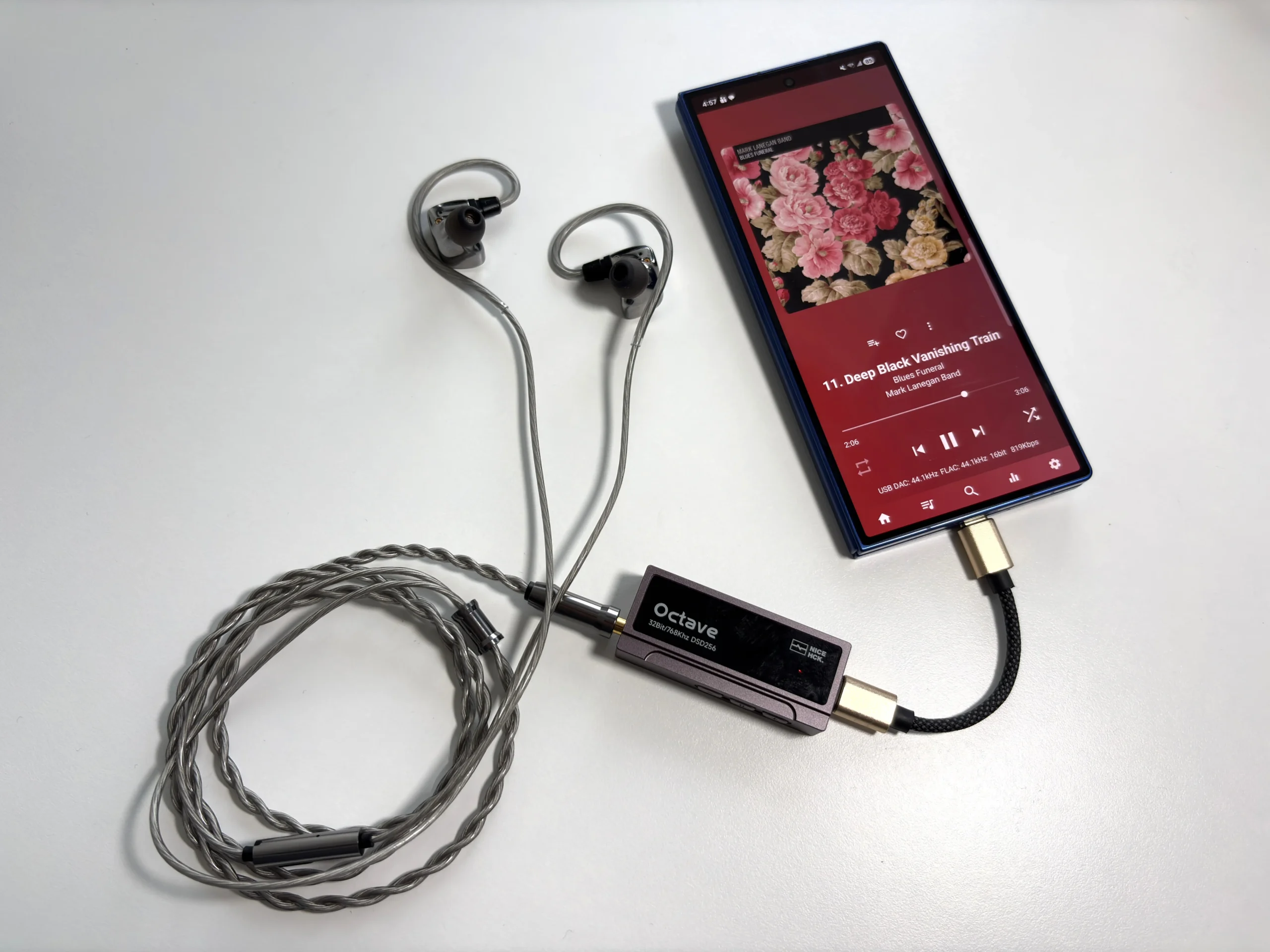
The Sivga SM100 is an easy IEM to drive. With a rated sensitivity of 107 dB and impedance of 27 ohms, it doesn’t demand anything powerful or substantial. Any smartphone, laptop, or basic dongle DAC can run these without issue. In my testing, the SM100 reached sufficient volume at low settings using dongle DACs like Apple’s USB-C to 3.5mm dongle, the iFi GO Link Max, and the NICEHCK Octave. Budget DAPs like the SnowSky Echo Mini, HiBy R1, Surfans F20, and HIDIZS AP80 Pro Max also had no issues here. I also didn’t encounter any noise floor issues or hear any hiss on any of my tested sources. The moderate sensitivity seems well-chosen to avoid amplifying background noise while still being efficient.
The SM100 also isn’t particularly source-picky. It sounded consistent regardless of my source device. That said, the IEM’s tuning does have energy in the upper midrange and treble, so pairing with a very bright source can make it sound a bit sharp, but you’ll probably only notice if you’re very sensitive to this. I personally found the sound most pleasing with a neutral or slightly warm source. All of this is to say that no special gear is required to enjoy these IEMs. I did experiment with more powerful sources out of curiosity, and the SM100 does scale slightly (bass tightened up a touch), but the improvements were subtle.
Sound Quality
Sources used for this review:
- Apple USB-C to 3.5mm dongle
- HiBy R1
- iFi GO Link Max
- NICEHCK Octave
- ONIX Tocata XM2
Links to my music playlist used for the majority of testing:
Spotify: https://open.spotify.com/playlist/6QSIhuCBDAUyoWGcyxPeN8?si=c0a4eb6bd3e3421e
Apple Music: https://music.apple.com/ca/playlist/hifi-oasis-audio-testing/pl.u-lKWlcjy04xp
Qobuz: https://open.qobuz.com/playlist/39521747
Tidal: https://tidal.com/playlist/503485c7-7f3d-43f0-b904-4b9a89c33875
The sound profile of the Sivga SM100 is characterized by a balanced, slightly V-shaped signature that maintains a musical and coherent presentation. Bass and treble are slightly elevated compared to the midrange to give it that V-shape character. The bass is smooth and controlled yet enjoyable, vocals are generally natural and clear, and the treble is detail-oriented without sounding harsh.
Bass
If you’re a fan of clean, textured bass, the SM100 will put a smile on your face (this was my literal reaction the first time I heard it). Bass on these IEMs is tuned to be engaging yet controlled. The SM100 has a satisfying and physical bass response for a single dynamic driver in this price range. Each kick drum hit and bass drop lands with a solid “thump” that gives music a sense of impact and enjoyment. The sub-bass is present and does reach deep, but it’s not over-emphasized. In fact, the sub-bass is somewhat on the lighter side overall, but you can feel the rumble when the track calls for it, it’s just a step behind the mid-bass in quantity. This means the SM100 isn’t a basshead IEM, as the very deepest notes are a bit reserved. I occasionally found myself wishing for just a little more sub-bass volume to fully satisfy on bass-heavy tracks. The upside to this is what sub-bass is there is very tight and clean. There’s no muddiness or distortion, and the driver articulates low notes with clarity, just at a polite level.
The mid-bass fares a bit better. Mid-bass punches have good slam and weight, adding warmth and drive to the music. Drum hits and bass guitar lines come through with enough presence to keep the sound fun and engaging, yet the bass never bloats into the midrange. This balance keeps the bass in check so it doesn’t smother vocals or other instruments. I was impressed by the bass texture and definition, and the SM100 reproduces bass nuances (like the texture of a kick drum or the resonance of a bass string) better than I expected. You can hear layering in complex basslines and easily follow the bass melody, which adds a layer of engagement, especially in genres like rock and jazz.
Midrange
The midrange tuning on the SM100 can be summed up as smooth, warm, and just genuinely pleasant. It’s clearly tuned for easy listening and musicality rather than clinical accuracy. The lower midrange has a touch of extra warmth and thickness, giving instruments like guitars and male vocals a rich, full-bodied character. Male vocals in particular come across with satisfying body. Baritone voices have a natural fullness and weight, avoiding the thin or nasally quality that some lean-tuned IEMs exhibit. Despite this warmth, I didn’t detect any muddiness. The clarity in the midrange remains good, and that warmth just adds a bit of lushness to the presentation.
There’s also a gentle upper-midrange lift that brings female vocals and midrange details forward, but Sivga tuned this region carefully. The upper midrange has enough presence to make vocals and lead instruments sound clear and open, yet they never get shouty or overly piercing. Even when a singer hits higher notes, the sound is sweet rather than grating. One thing I noticed from my listening is that female voices have a bit of a captivating quality from a hint of added energy and air that makes them stand out. As a result, this also gives acoustic and vocal-centric tracks a nice sense of intimacy and detail, making for a more engaging listening experience.
In terms of drawbacks, I have only a few minor points. Overly bright pop track caused some “S” and “T” sounds to hiss slightly more than usual. This was track-dependent and not a constant problem, just more of a case that the SM100 won’t completely mask sibilant recordings. Additionally, the upper-midrange emphasis, while usually well-behaved, can make some instrument tones sound slightly sharp or forward. I only noticed this with aggressive electric guitars or upper-midrange heavy synths on a couple of tracks, and even then, it was mild. Still, worth noting if this is something you are sensitive to.
To put it simply, the SM100’s midrange will likely please most listeners, especially those who dislike harshness. It’s warm and forgiving enough to be non-fatiguing, but not so warm that it sacrifices clarity.
Treble
The treble on the Sivga SM100 is tuned to strike a balance between being energetic enough for detail and smooth enough to avoid fatigue and harshness. To my ears, Sivga got this mostly right. The extension of the treble is actually quite impressive for a single-dynamic driver budget IEM. There’s a good amount of upper treble presence, which gives some air to the sound and ensures you’re not missing the fine details like the decay of cymbals or the shimmer of a triangle. This prevents the SM100 from sounding dark or overly warm. High-hats, cymbal crashes, and percussion all come through with a pleasant crispness. I particularly enjoyed the treble when listening to jazz and acoustic music, as the cymbals had a realistic metallic sheen and the overall atmosphere was airy.
Crucially, the treble is relatively smooth in its delivery. Sivga didn’t push the lower-treble too hard. As a result, the SM100 manages to stay rather inoffensive and fatigue-free, even over long listening sessions. I can listen to these IEMs for hours without my ears feeling worn out and tired. That said, the treble isn’t perfect. On certain tracks, I did notice a bit of unevenness or splashiness in the highs. For example, with some fast rock or electronic tracks, the high-hat hits could sound a bit too intense, drawing more attention than they should, suggesting a small spike or emphasis in the treble. It’s not a constant issue, but if you’re very treble-sensitive, you might catch it occasionally. I also noticed that while the treble extends well, the SM100 isn’t the airiest IEM out there. The highest octave has some roll-off, meaning cymbal crashes, for instance, have a touch less sparkle and air than on some more expensive or brighter-tuned IEMs. As a result, the treble is detailed but slightly soft-edged, so it won’t retrieve the micro-details or ultra-fine texturing in the highs that an analytical IEM might.
Personally, I’m very happy with the treble tuning on the SM100. It complements the warm midrange and punchy bass nicely, adding just enough brightness for contrast. The important parts of cymbals, flutes, violins, etc., come through clearly. And crucially, sibilance is very minimal.
Technical Performance
For an IEM in this price range, the Sivga SM100 offers solid technical performance and it covers the basics well, and even exceeds expectations in some areas.
Detail Retrieval and Clarity: The SM100 retrieves a satisfying amount of detail from recordings. With a smooth tuning, it’s not a hyper-analytical listen, but I never felt like the sound was veiled or that I was missing any important details in the mix. In fact, one thing that stood out is that notes have good definition and separation for a budget IEM. Each instrument remains distinct. Fine textures, like the rasp of a jazz singer’s voice or the subtle reverb tails in a live recording, are present if you listen for them. The SM100 won’t compete with multi-driver or higher-end IEMs in raw resolution, but within its class, it performs well. I’d put it as above average detail for an under $50 IEM. Importantly, because the tuning is on the smoother side, it avoids giving a false impression of detail through brightness. The detail you hear is real, not just an artifact of a treble spike.
Soundstage: The soundstage of the SM100 is surprisingly spacious for an in-ear monitor. No IEM will rival open-back headphones in this regard, but the SM100 avoids the inside your head claustrophobia that some earphones have. The width stood out to me, as the soundstage can extend just past the ears, giving a sense of width that feels open. I played some live recordings and could perceive the room ambience extending outward, which was very immersive. The depth and height of the soundstage are more average. You get a bit of depth (layers from front to back), but it’s not particularly deep or 3D. Likewise, verticality isn’t strongly conveyed (which is common, as most IEMs don’t do height well). But overall, it feels open and not congested.
Imaging: Imaging on the SM100 is accurate and stable. With music, I can pinpoint where instruments are in the stereo field quite easily. There’s a clear sense of separation between, say, the guitar on the left, vocals in the center, and keyboard on the right. Panning effects in electronic tracks travel smoothly across without gaps. For the price, I’d call the imaging above average. This became especially evident when I used the SM100 for gaming, as positional cues are rendered well enough that I could locate footsteps and directional sounds in FPS games like Battlefield 6 with confidence. I wouldn’t replace a dedicated competitive gaming headset with this if you need ultra-precision, but if it’s your all-in-one IEM, it will do a great job.
Final Thoughts
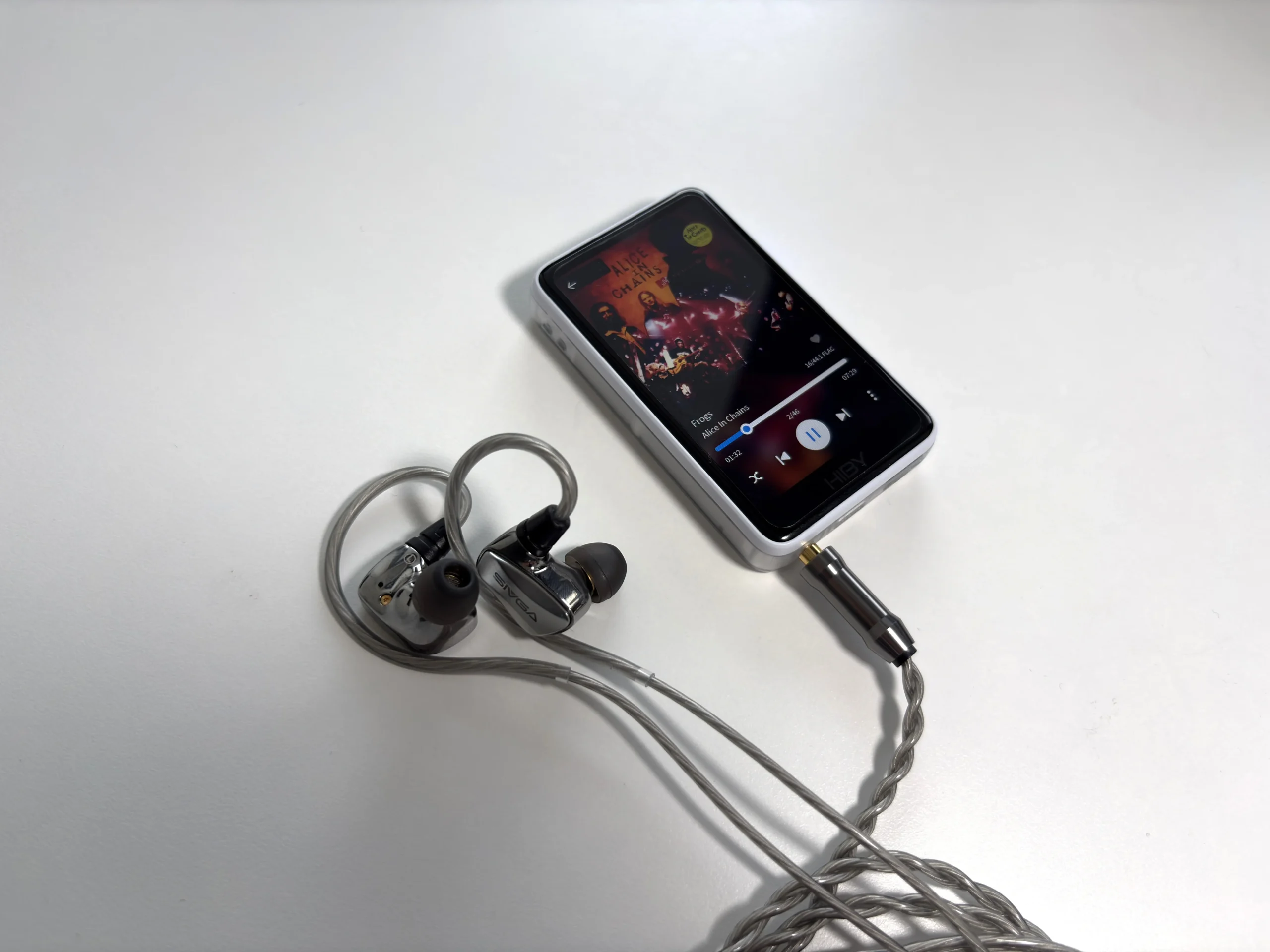
In my experience with the Sivga SM100, I found it to be a well-rounded and rewarding IEM that punches above its price in many ways. The SM100’s strengths are pretty clear. It has a solid and attractive build, comfortable ergonomics, a fun and engaging sound signature, and versatility to handle both music and gaming. Its bass quality is a standout as you get that addictive punch and texture that’s rare in this price range. The midrange is tuned for musical enjoyment, making vocals and instruments sound rich yet never harsh. The treble manages to be detailed without being fatiguing, which is ideal for longer listening sessions. Combine that with solid imaging and a spacious soundstage, and you have an IEM that’s simply easy to love for casual listening.
My concerns are relatively minor here. The included accessories are sparse (the lack of a carrying case and the mediocre stock eartips are the biggest downsides). Sonically, the SM100’s treble can show some unevenness on problematic recordings, and the upper-midrange emphasis might not suit those who are extremely sensitive in that region. The sub-bass, as I previously said, is polite, so if you crave rumbling sub-bass or a V-shaped “wow” factor, you might feel the SM100 is too restrained. None of these is a deal-breaker for me personally, though, and the SM100 actually matches my musical tastes pretty well.
When considering value for money, the Sivga SM100 is simply excellent. At roughly $40 USD, it delivers an experience that could easily be mistaken for a higher-priced IEM in terms of build and general sound quality. After spending considerable time with it, I can highly recommend the SM100 to anyone shopping in this price range, and who wants an enjoyable everyday IEM.


Buy directly from SIVGA: https://sivgashop.com/products/sm100?variant=47321437307136
Buy from AliExpress: https://www.aliexpress.com/item/1005010425585295.html
The above links may be affiliate links. All commission earned through them goes directly to maintaining this site and bringing you more audio reviews.
I’m not always able to cover all the details of a product, both hardware and software, in our reviews. If you have any specific questions about this product, please feel free to leave a comment or contact me directly.
Be sure to check out our excellent Buyer’s Guides, as well as our other Reviews.
HiFi Oasis Verdict
HiFi Oasis Verdict-
Design & Comfort9/10 Amazing
-
Sound9/10 Amazing
-
Features/Accessories7/10 Good
-
Value9/10 Amazing
Pros
- Engaging, balanced V-shaped tuning
- Punchy, textured mid-bass with good control
- Warm, smooth midrange with pleasing vocal presentation
- Treble is detailed yet mostly smooth and non-fatiguing
- Above-average imaging and surprisingly spacious soundstage for the price
- Comfortable, slim ergonomic design suitable for long sessions
- Easy to drive
- Premium-feeling high-density zinc alloy shell
- Excellent value under $50
Cons
- Stock eartips are soft and provide less-than-ideal seal
- No carrying pouch or case included
- Sub-bass will sound restrained for bass-heavy listeners
- Occasional upper-mid sharpness on aggressive tracks


