




Disclosure: I’d like to thank HiFiGo for providing me with the JUZEAR x KOTO Nebula for this review. All thoughts and opinions are my own, and HiFiGo had no say or input on the contents of this review.
JUZEAR has been busy with collaborations, and the Nebula pairs the brand with Japanese audio reviewer KOTO. As a result, what we have here is the JUZEAR x KOTO Nebula. It is available in two finishes, Ember and Azure. This review covers the blue Azure version. At $129.99 USD, it sits close to the recently released JUZEAR x Vivir Digital Fiesta, but the two aim for different listeners. The Fiesta makes its presence felt with big, warm bass. The Nebula is designed to give the low-end room to reach deep without making everything else sound thick.
Each earpiece contains five drivers: one dynamic driver, three balanced armatures, and one micro-planar driver. JUZEAR uses a four-way crossover and separate sound tubes to bring them together. That is a lot of hardware for around $130, but the driver count alone tells us little about whether an IEM is enjoyable. What matters is how the bass, vocals, and treble work together, and whether the Nebula offers enough beyond its looks to justify its price. So with that said, let’s get into it.
Key Specifications
- Product Page: https://hifigo.com/products/juzear-nebula
- MSRP: $129.99 USD
- Type: IEM (in-ear monitor)
- Driver Type: 1x Dynamic Driver (DD), 3x Balanced Armature (BA), 1x Micro-Planar driver
- Impedance: 32 ohms
- Sensitivity: 110 dB SPL
- Weight: 6.1 grams per earbud
- Connection: 0.78mm 2-pin connector
- Detachable Cable: Yes
In the Box and Unboxing
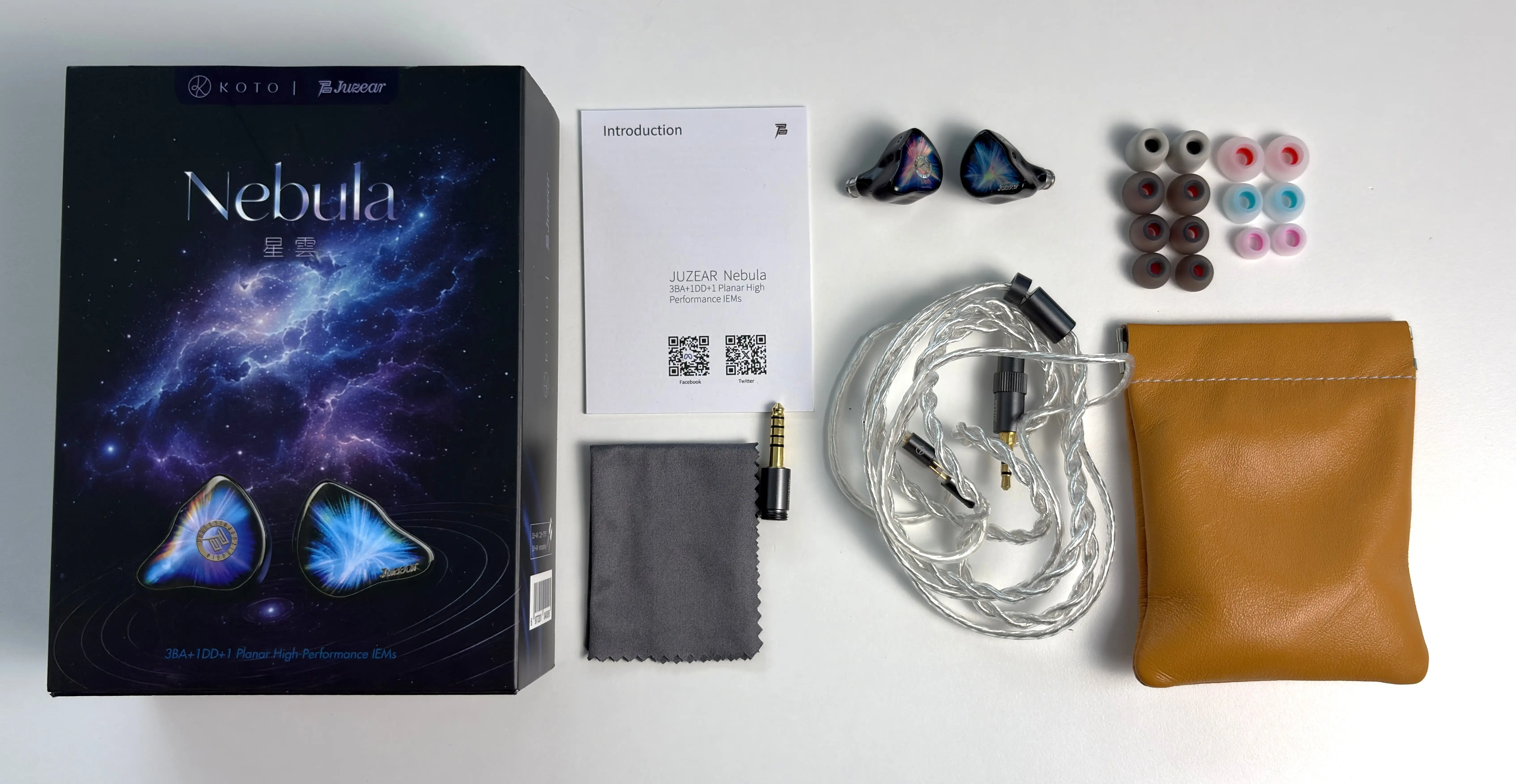
- Juzear x KOTO Nebula
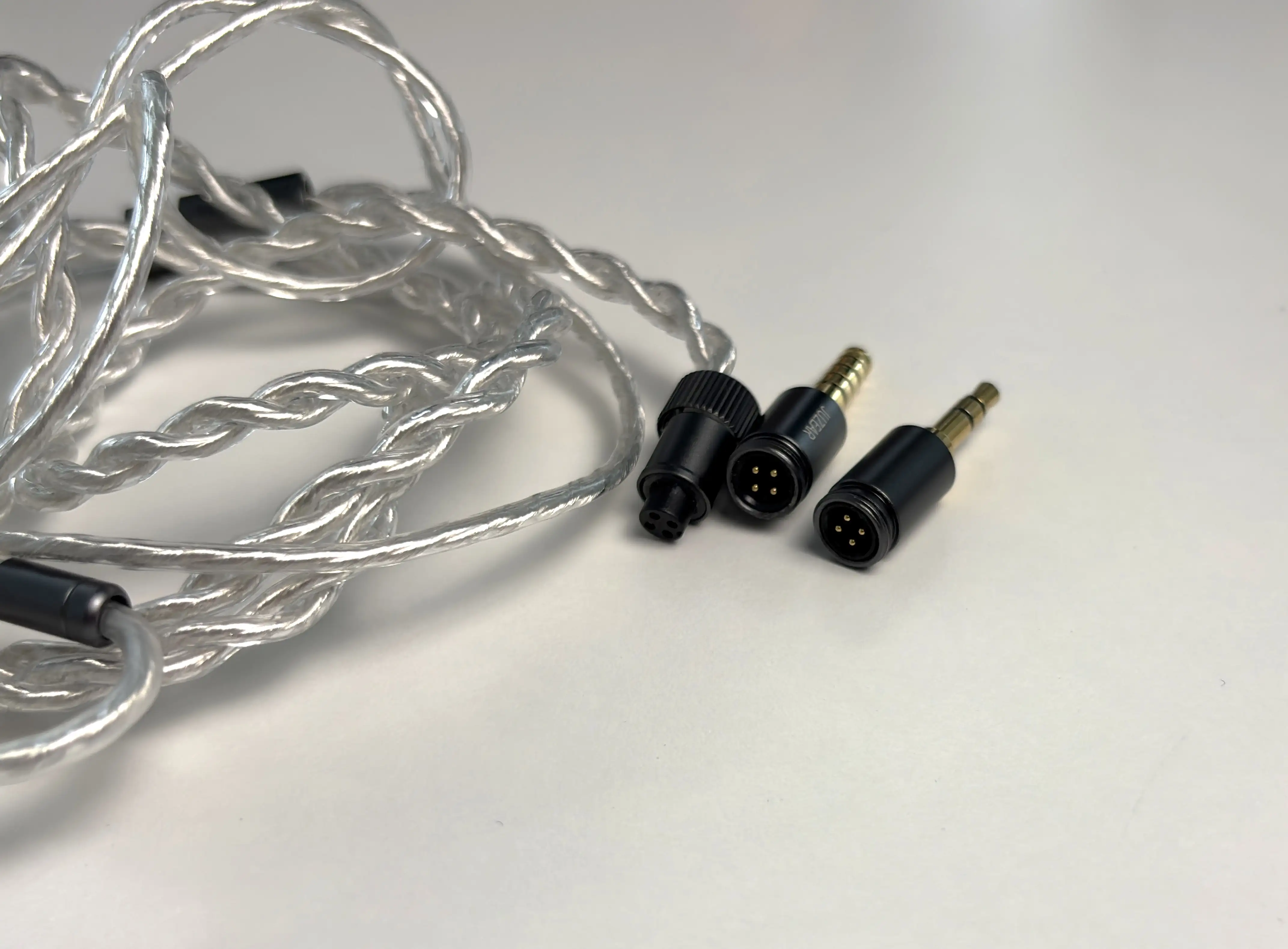
- Detachable cable with interchangeable 3.5 mm and 4.4 mm plugs
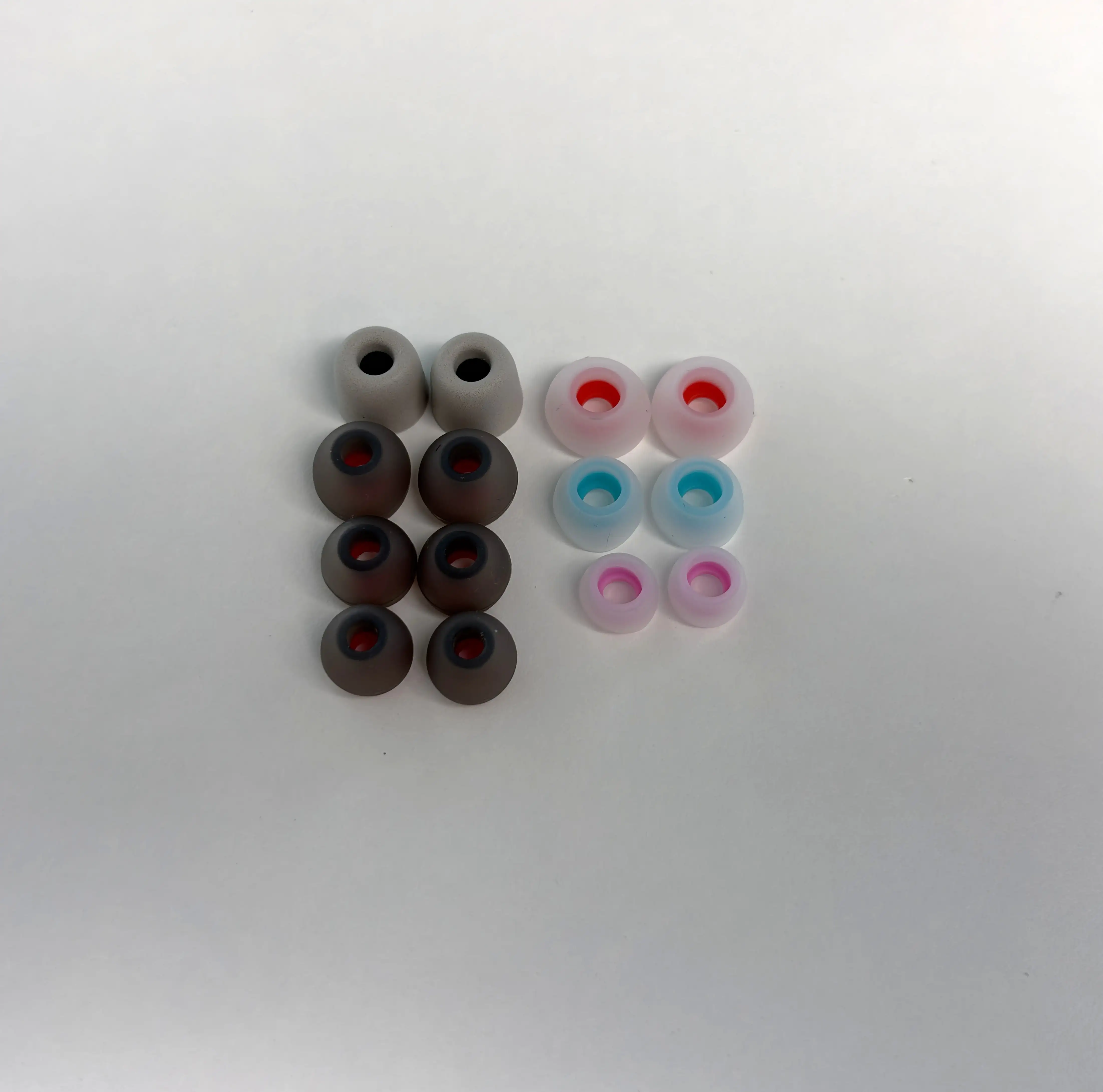
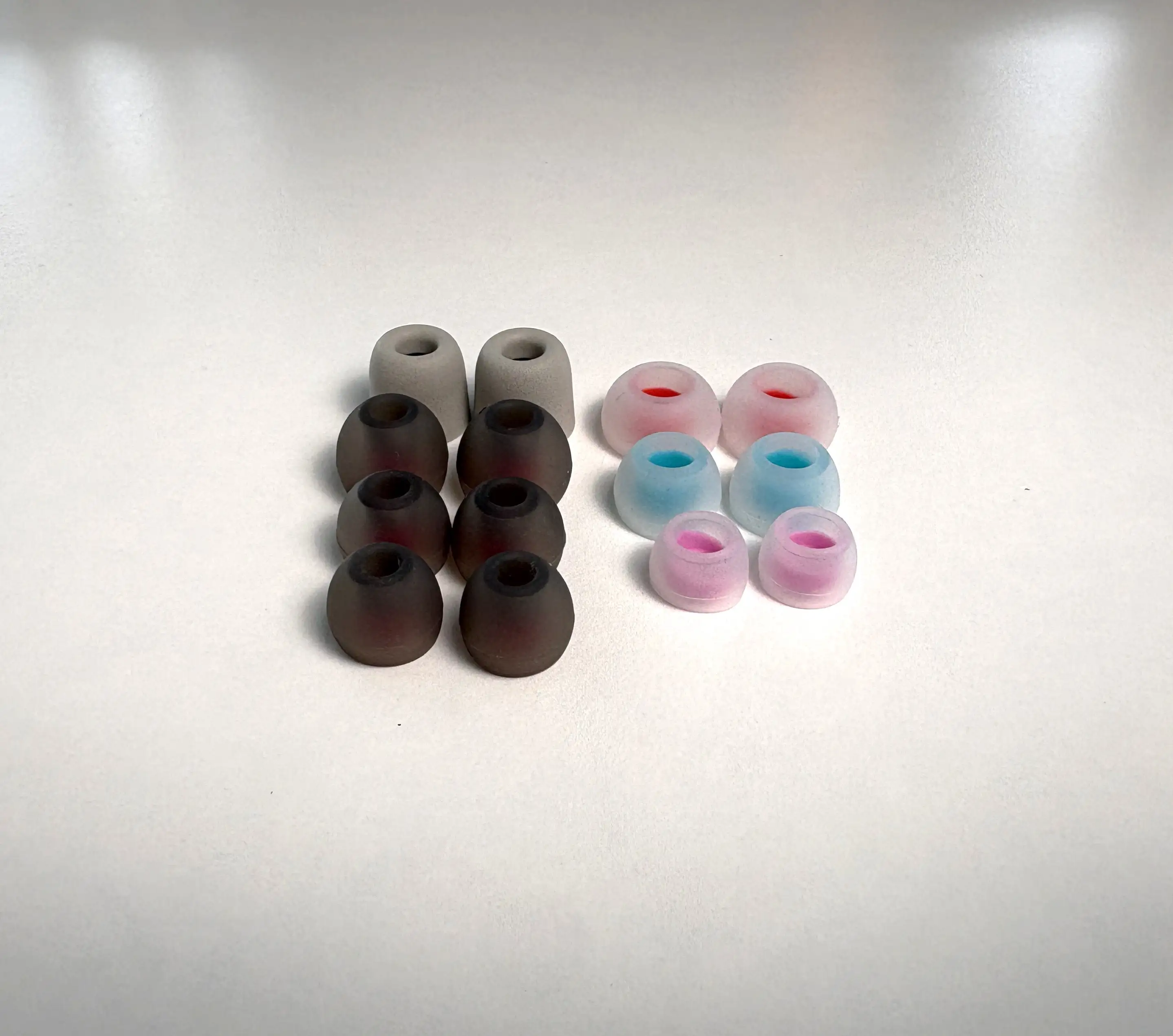
- Two sets of silicone eartips in small, medium, and large sizes
- One pair of foam eartips
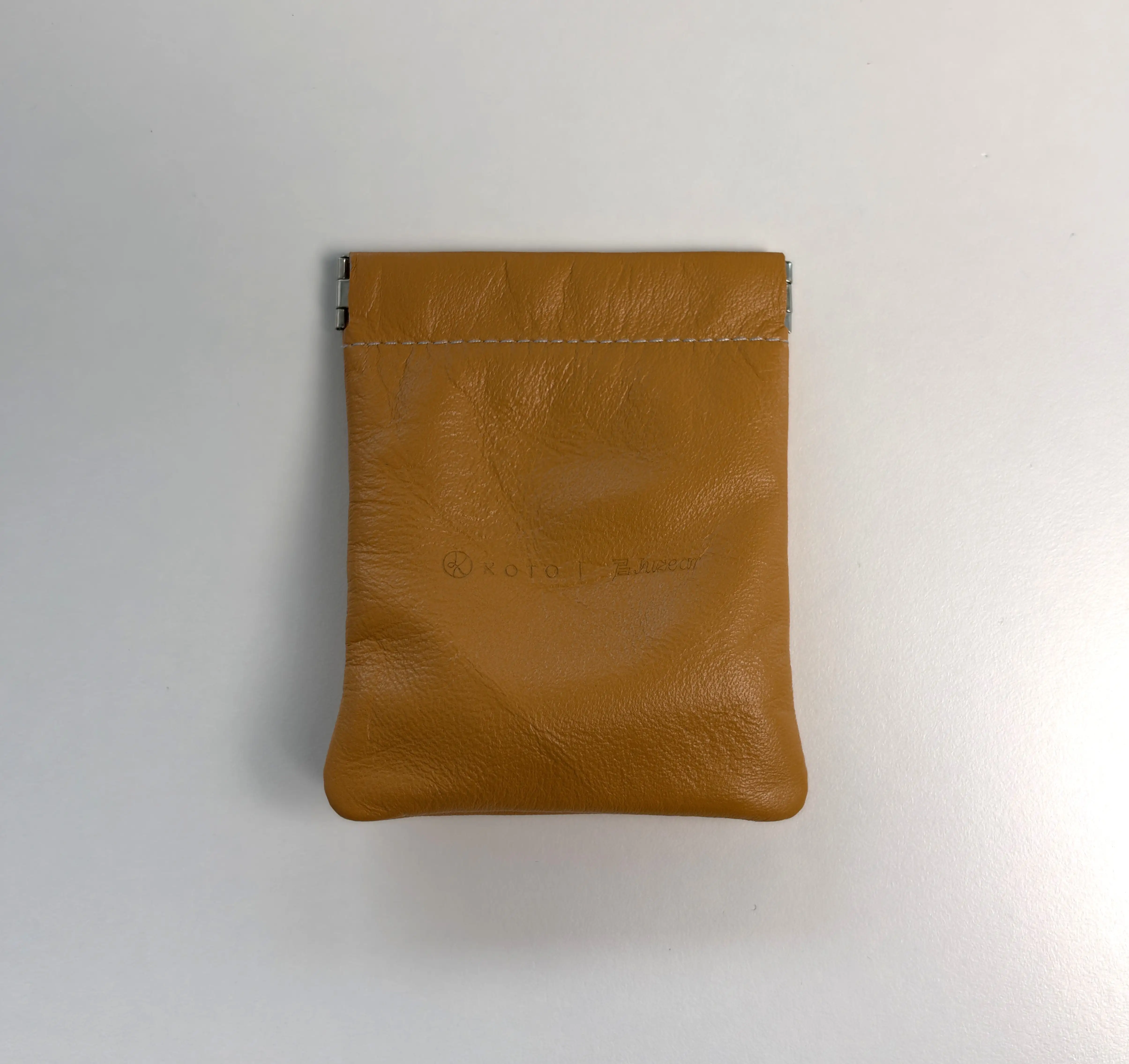
- Soft storage pouch
- Cleaning cloth
- Documentation
The included cable is the practical highlight here. You can use the 3.5 mm plug with a laptop, handheld, or common USB-C dongle, then switch to 4.4 mm for a DAP or portable DAC/amp that has a balanced output. This is one cable with two plugs, rather than the two separate cables (like with the Fiesta). Neither connection is inherently necessary to get good sound from the Nebula, but having both simply saves you from buying another cable for a different source.
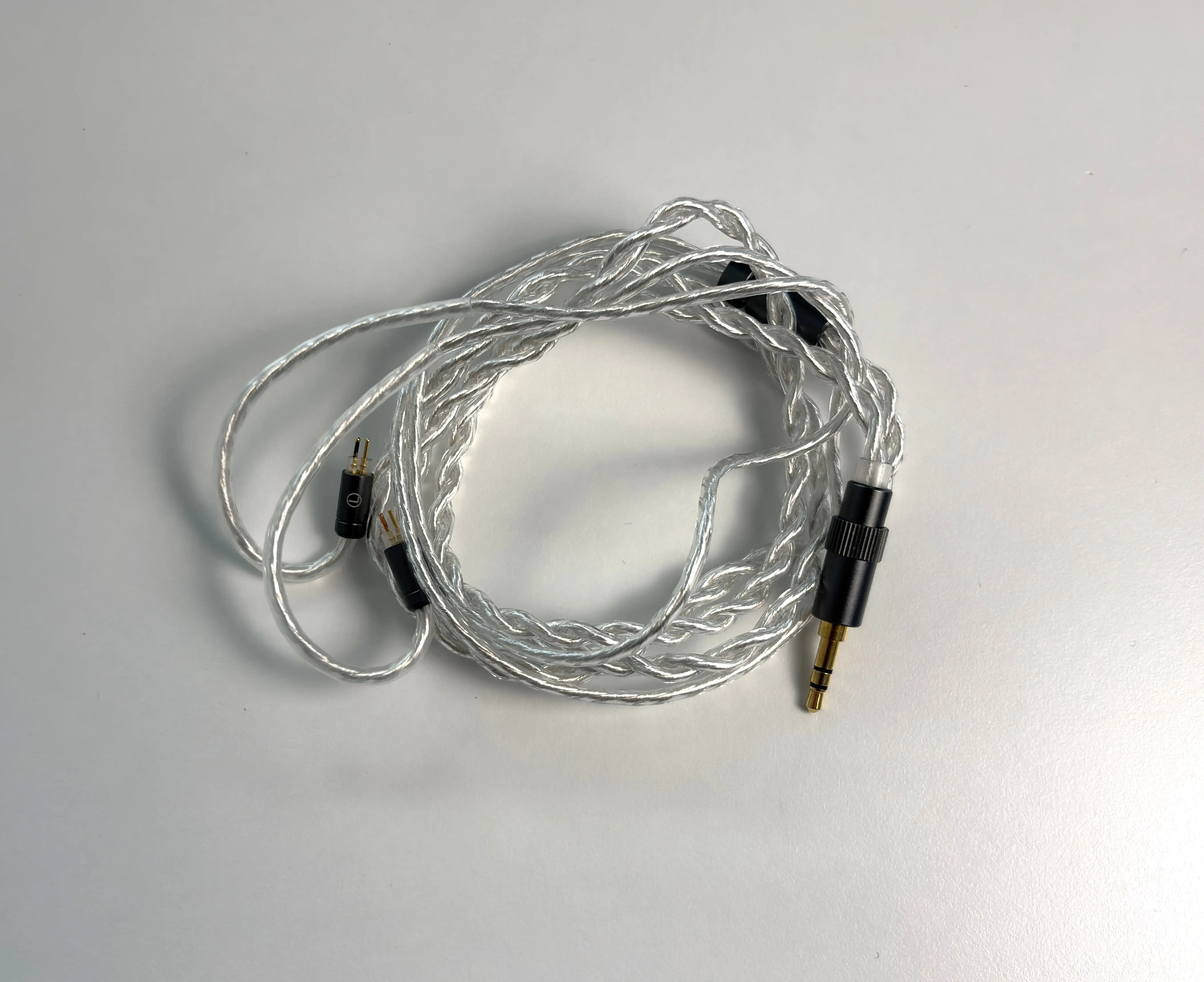


The choice of included tips is welcome because the seal and insertion depth can change both comfort and bass response. The pouch is fine for keeping the cable and shells together in a bag, but it does not provide the crush protection of a rigid case. That is a small but noticeable omission when the shells look like something you would want to keep pristine.


Design & Comfort
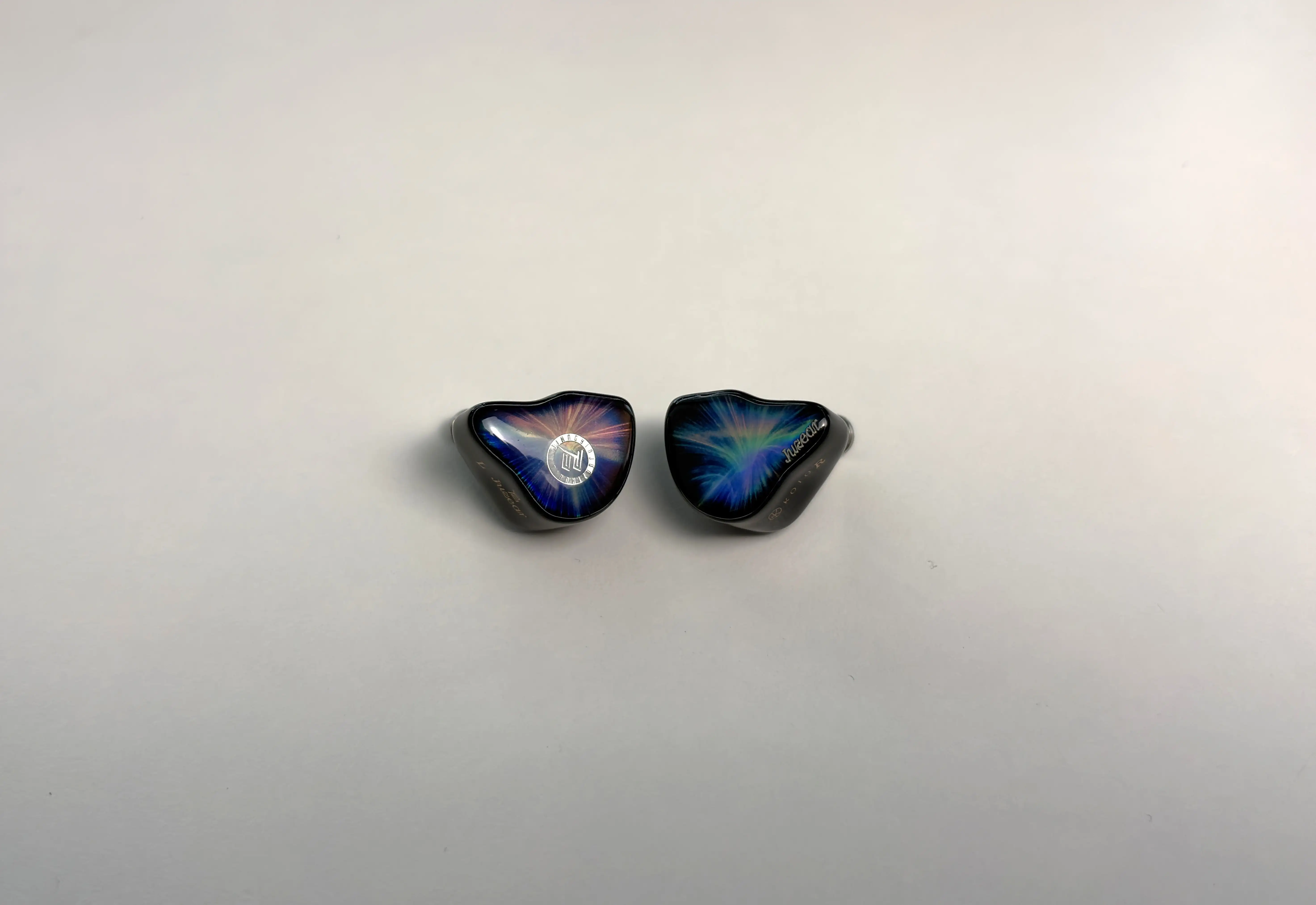
JUZEAR x KOTO Nebula has the kind of finish that makes you pause before putting the IEMs in. Blue and teal dominate the faceplates of my Azure version, while other colours emerge as they catch the light from different angles. The dark resin shells let the faceplates take centre stage without making the whole design look overly busy.
At 6.1 grams per side, these are reasonably light despite their five-driver layout. The shells have a shaped inner surface intended to nestle into the ear, but comfort is still going to be personal. Their size may be a consideration if you have smaller ears, and the preformed hooks on the stock cable are fairly curved, but not overly so for me. If the bass seems unusually weak or the seal keeps breaking, try another tip before judging the sound.
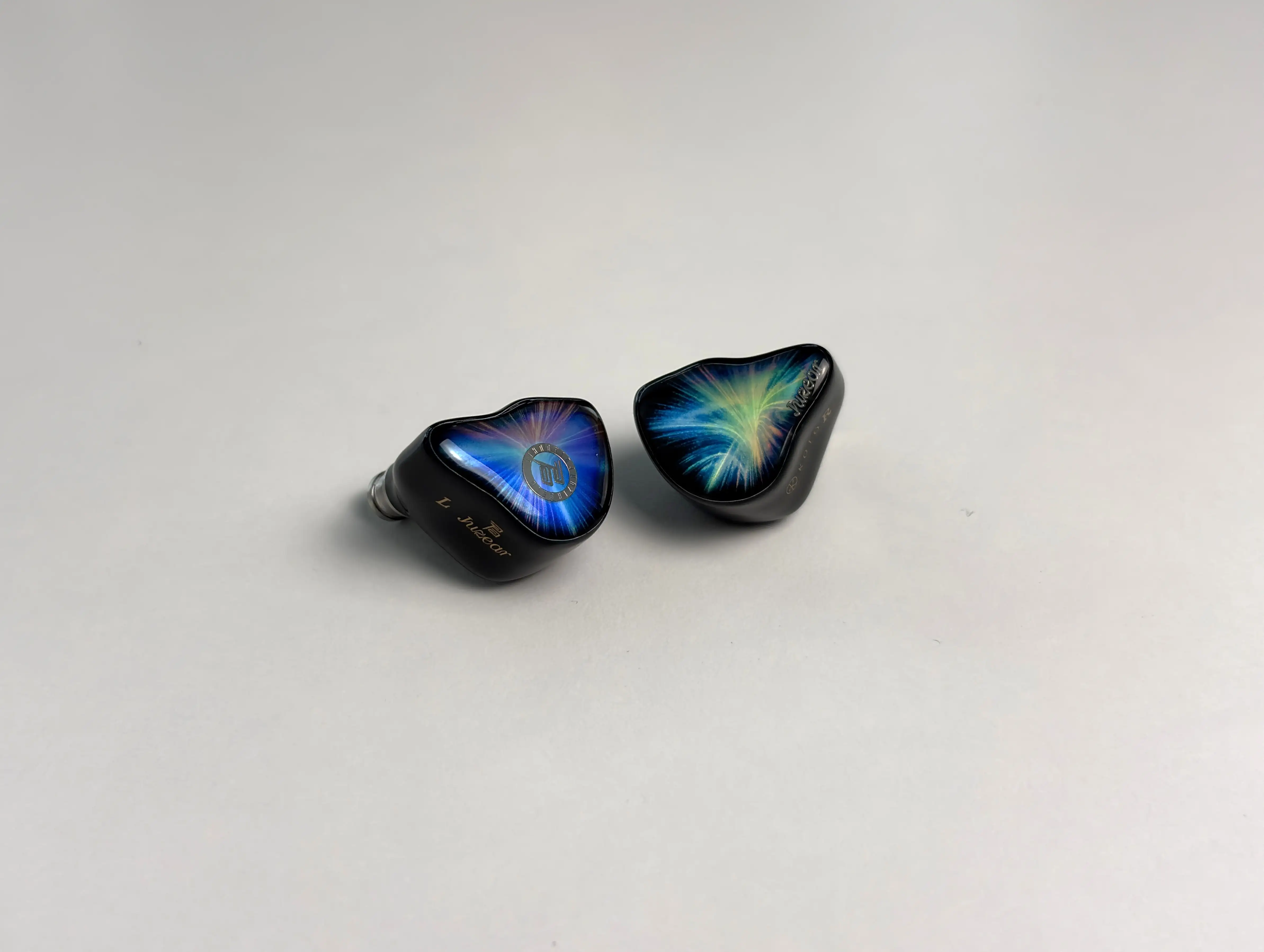
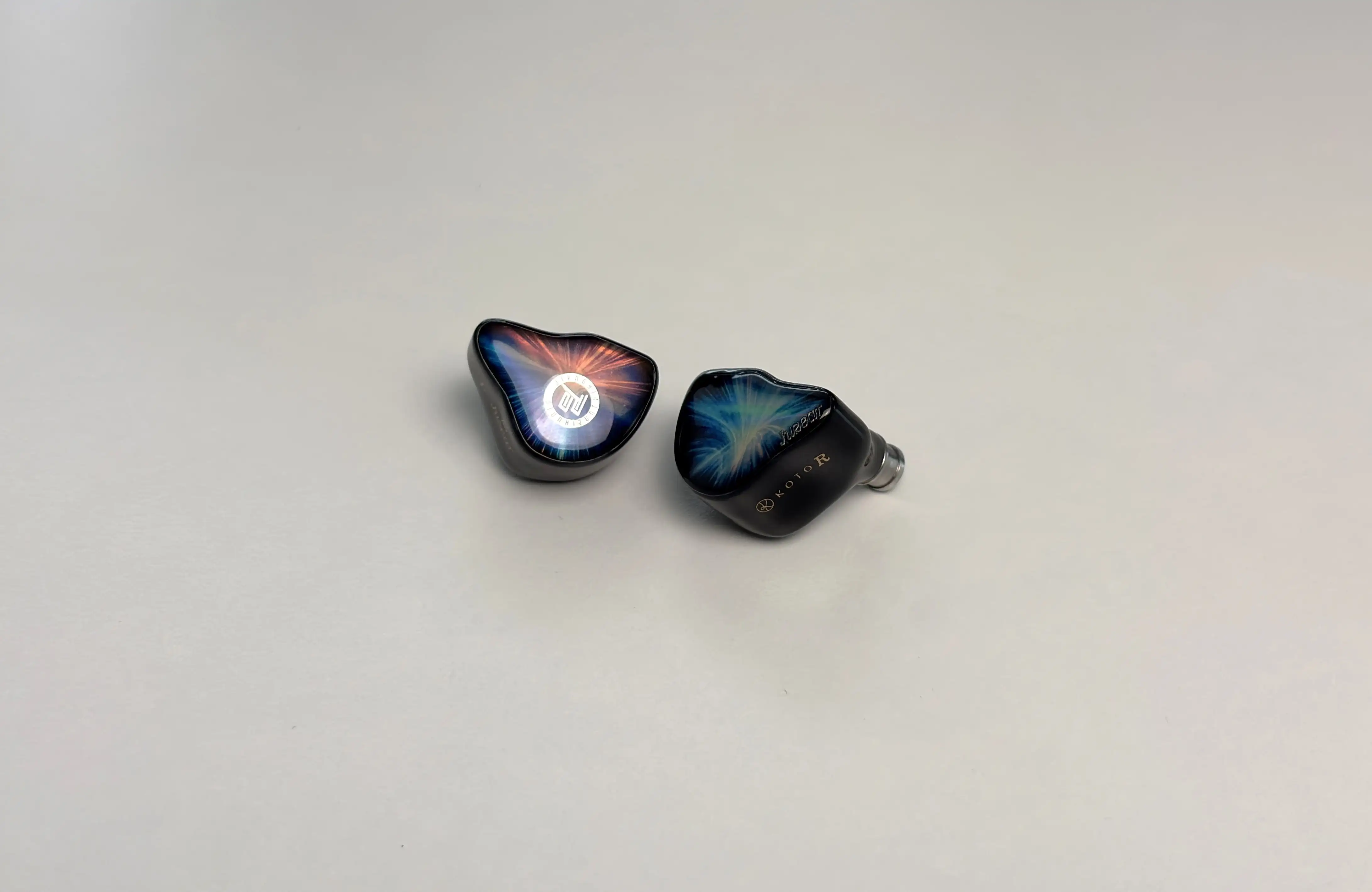


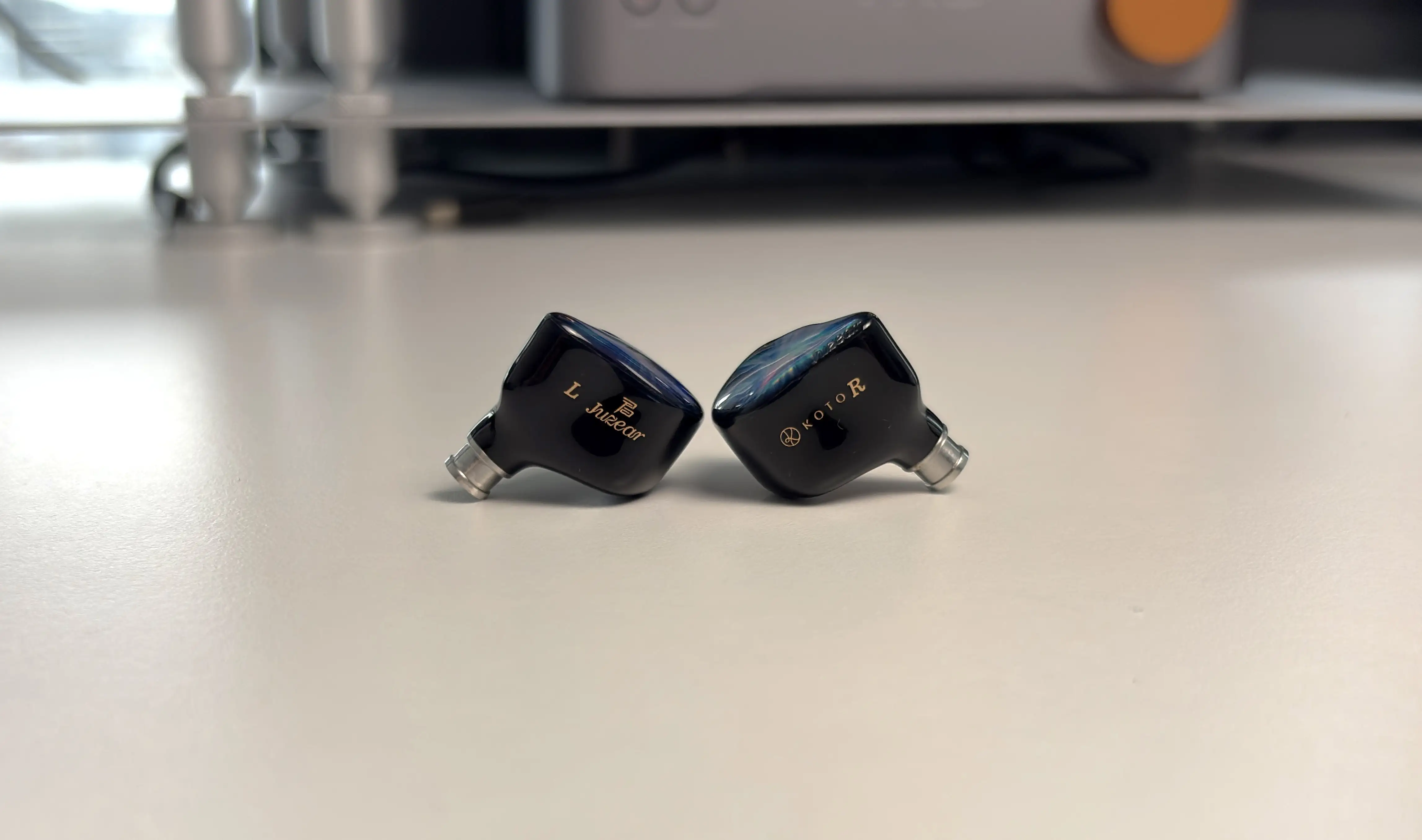
Passive isolation is rated at 26 dB. Treat that as the manufacturer’s figure rather than a guarantee for every ear: the seal you achieve will determine how much outside noise is blocked. These are passive wired IEMs, so there is no active noise cancellation. That being said, I did find it blocks out a good amount of ambient noise. The insertion depth is on the deeper side, so that also contributes to the isolation.
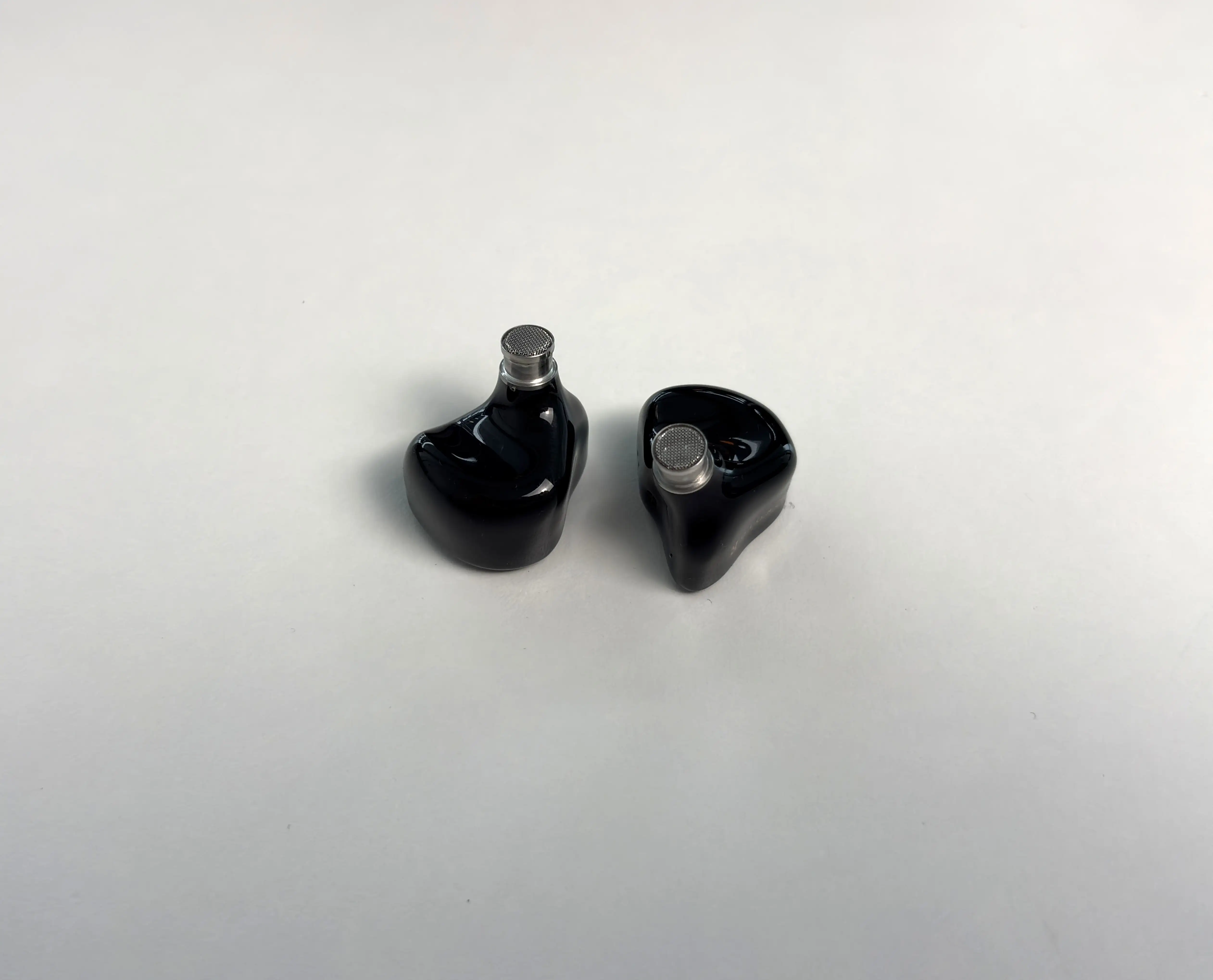
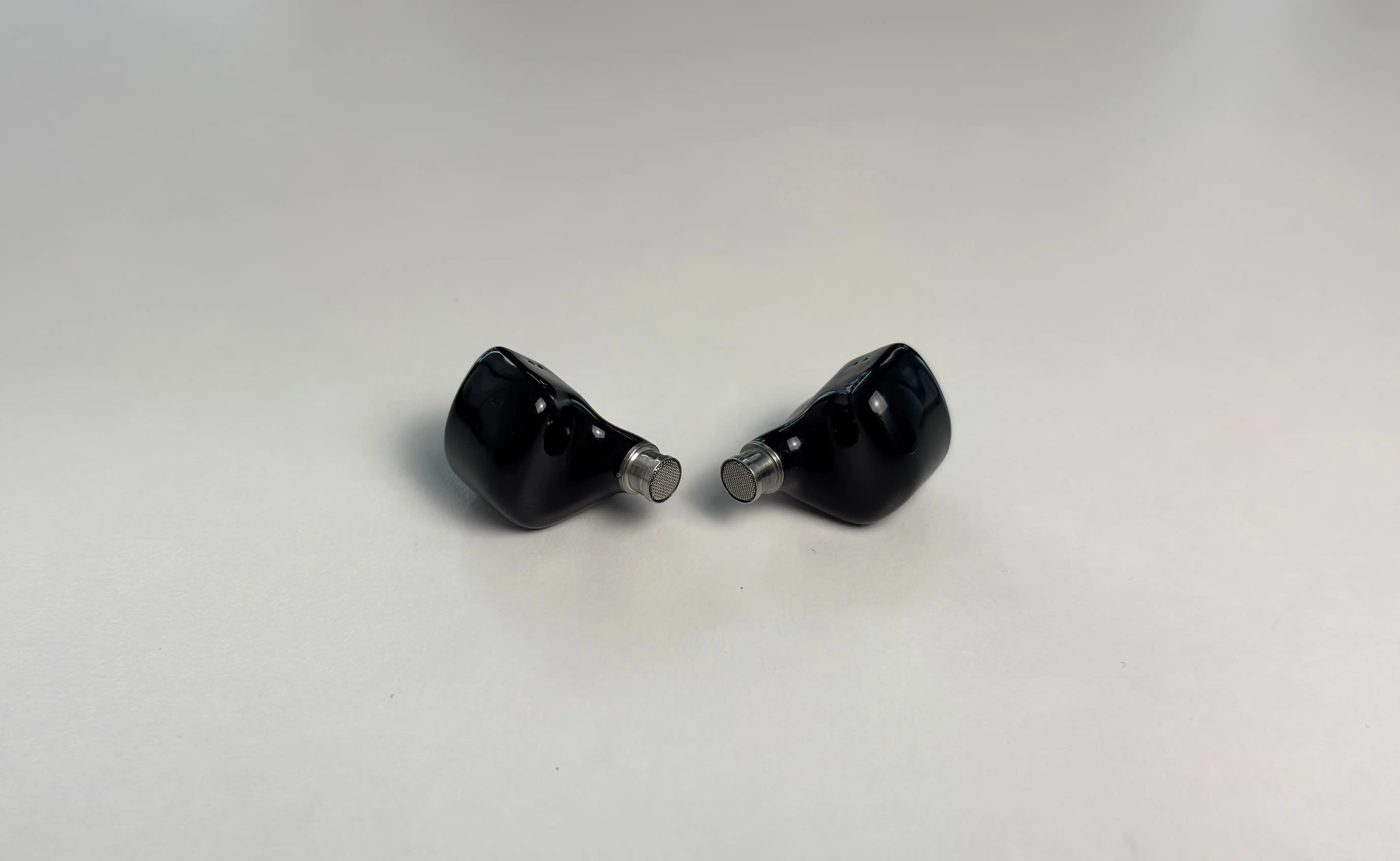
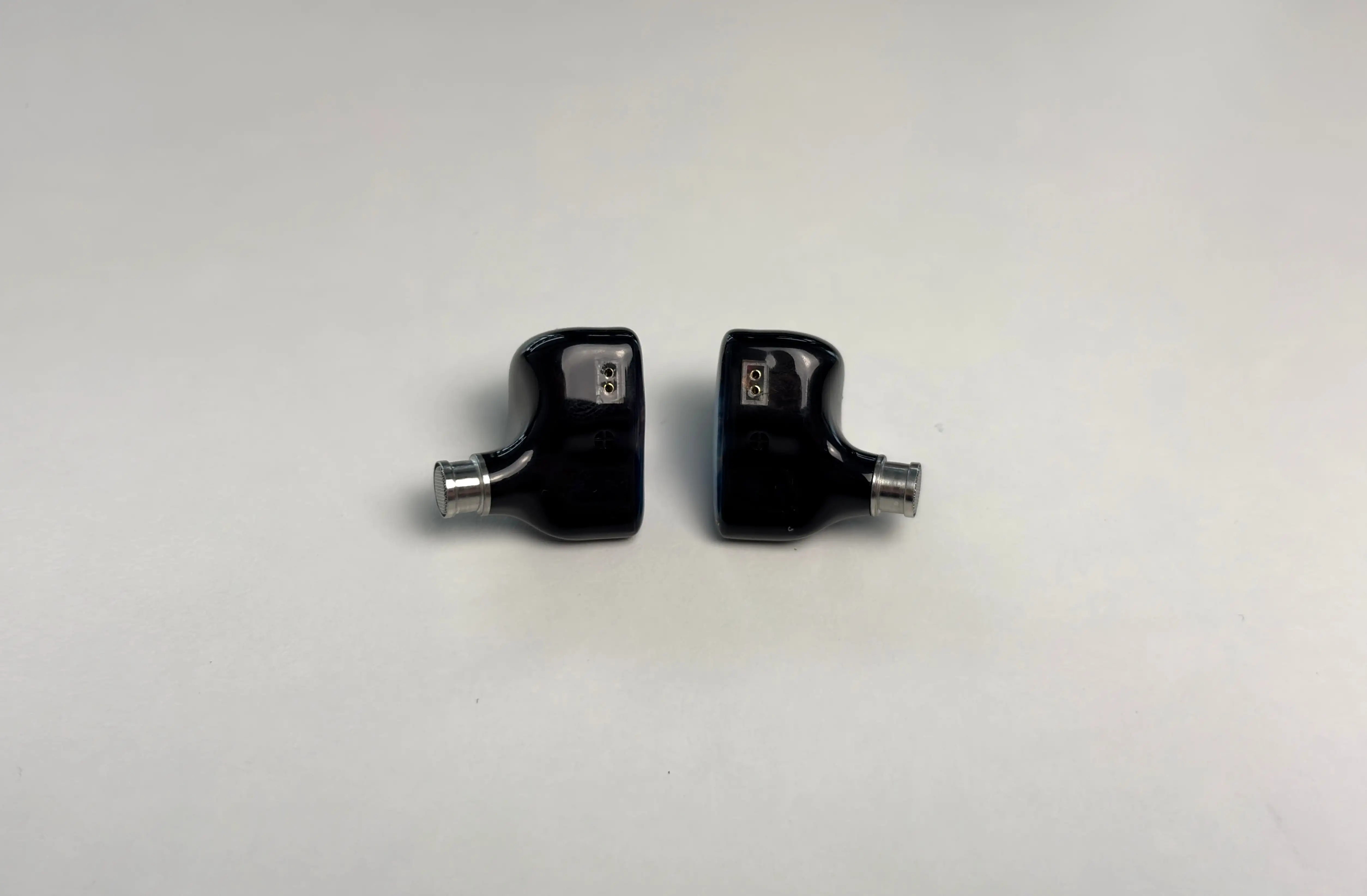


In terms of overall comfort, these feel pretty much like other resin shell IEMs, at least to me. They are comfortable, and the fit is very good. The insertion depth is slightly deeper than I like, but the Nebula does remain comfortable for me.
Efficiency & Sensitivity
With an impedance of 32 ohms and sensitivity of 110 dB, the Nebula is extremely easy to drive using any decent portable source. A normal dongle DAC or DAP will work perfectly here, and the included 4.4 mm plug is about compatibility with a balanced output, not a sign that this IEM needs lots of power.
Sound Quality
Main sources used for this review:
- FiiO K11 (4.4mm)
- Onix Tocata XM2 (3.5mm)
- Surfans F20 Pro+ (3.5mm)
Links to my music playlist used for the majority of testing:
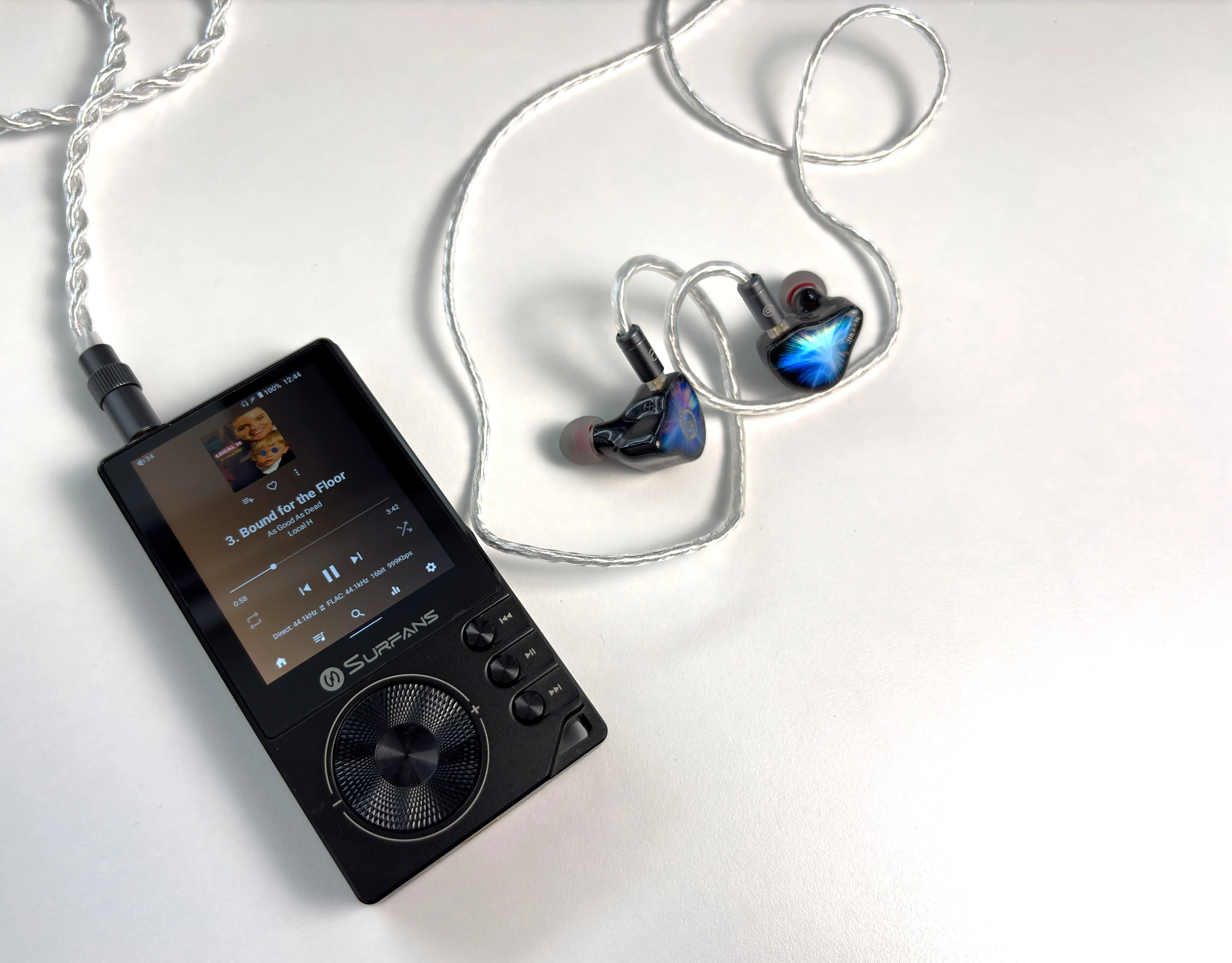
The Juzear Nebula’s overall character is easier to explain than its five-driver specification would suggest. The bass reaches surprisingly low, the midrange has a relatively clean vocal presentation, and the treble gives definition without making brightness the entire point of the presentation. It is more restrained through the mid-bass than a truly bass-heavy IEM, which helps keep vocals and instruments from disappearing behind the mix.
Bass
The dynamic driver gives the Nebula its low-frequency foundation. Deep electronic notes and the lowest parts of a bass line have a sense of reach and rumble, but the emphasis tapers as you move into the mid-bass. In practical terms, you can get a satisfying low note without every kick drum sounding thick or forceful. It is a better fit for someone who likes bass extension than someone who wants each drum hit to land with maximum physical weight.
That choice also helps keep the lower midrange relatively tidy. Busy pop and electronic mixes should be easier to follow when the bass is not bleeding into the vocal range. The bass has a natural texture and good speed as well. It has quantity, but not the slam of a bass-heavy set. For me, it’s quite enjoyable.
Midrange
The Nebula generally keeps vocals intelligible and centred. Acoustic guitars and piano have space alongside the singer instead of being buried under the low end, which makes this tuning more adaptable than a deliberately bass-first set. The upper midrange gives vocals enough presence to stay engaging, though it does not seem to push every voice right up against the listener’s ear.
There is some warmth and body to the vocals, especially on lower-register singers. When it comes to female vocals, they sound very clear and have good definition. Given the bass presence, I think the midrange is tuned very well and is clearer than I thought it would be.
Treble
The micro-planar driver handles the upper frequencies, where the Nebula supplies enough edge to distinguish cymbals, strings, and even small details in a recording. It avoids the hard, metallic character that can make an inexpensive multi-driver IEM tiring. This result should appeal to someone who wants clarity without a constantly sharp presentation.
Still, smooth does not mean every track will be free of bite. To my ears, there is a touch of upper-treble sizzle or extra energy on bright recordings. Tips and individual treble sensitivity matter a lot here. I would not describe the Nebula as a guaranteed solution for anyone sensitive to every hint of sparkle, but it also does not appear to chase detail by simply turning up the treble. I lean more on the treble-sensitive side of things, but generally I did not have any issues.
Technical Performance
The Juzear Nebula’s strongest technical quality is arrangement and organization. Instruments can be picked out without the music feeling torn apart into five separate drivers, and the centre image gives vocals a stable position. It can keep a dense arrangement understandable, and at a comfortable volume.
The size of the soundstage presentation is fairly average for an IEM, especially on busier tracks. Likewise, the Nebula offers good detail for the price without necessarily being the sharpest or most analytical option in this price range. Don’t mistake my lack of elaboration here as a bad thing, the Nebula does just fine in this area.
Final Thoughts
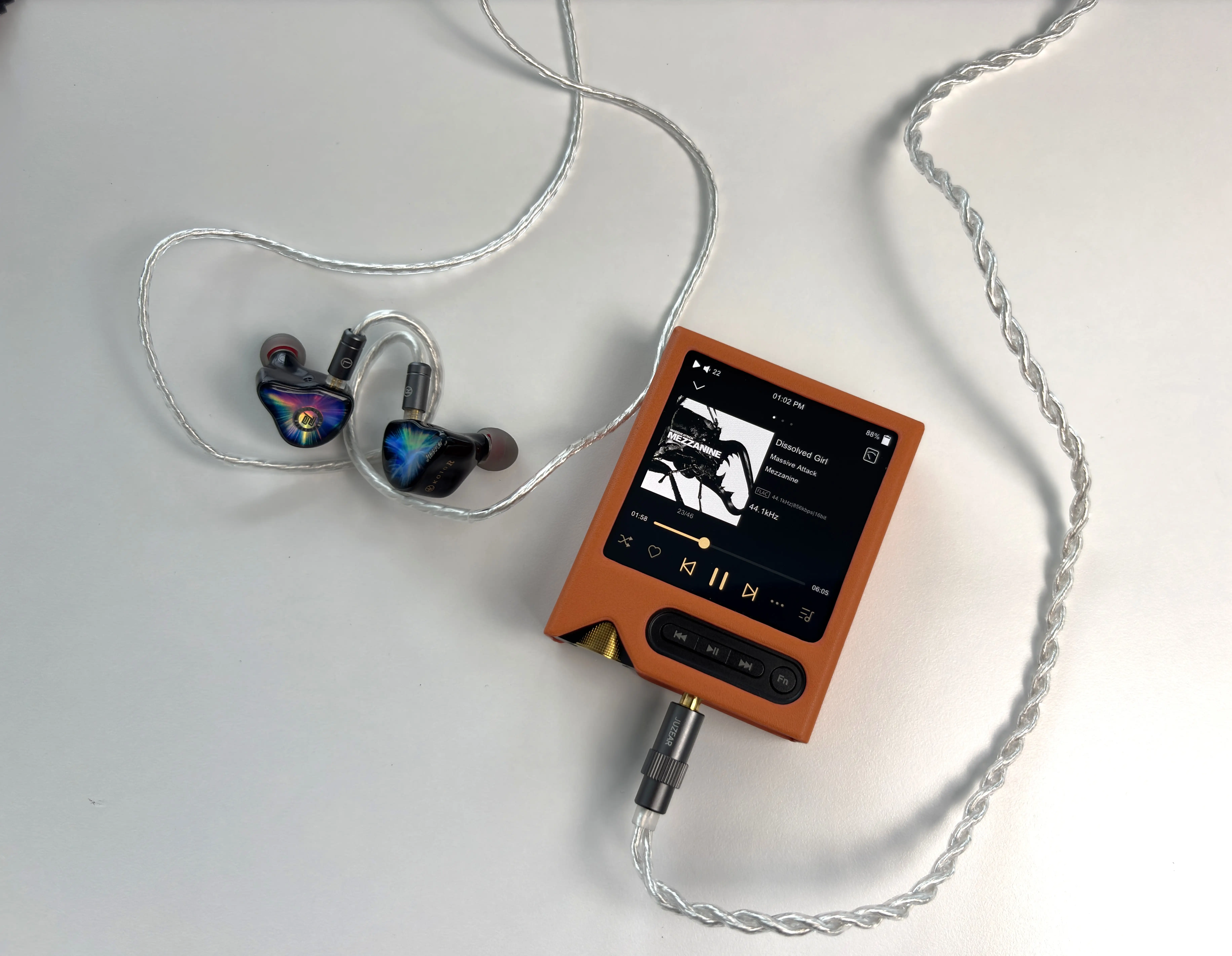
The JUZEAR x KOTO Nebula has an appealing set of priorities for a $129.99 IEM. It looks distinctive in the Azure color, the modular cable is very nice, and it works with both 3.5 mm sources as well as 4.4 mm balanced outputs, and the IEMs’ tuning aims for low-end reach without letting bass take over the entire track. That makes it a sensible choice for listeners moving between many different genres like pop, rock, acoustic music, and electronic tracks.
Its limitations are equally practical. The storage pouch does little to protect the shells from pressure in a bag, and listeners who want thick kick drums or especially full and forward vocals may find the tuning a little light. The Nebula is not the widest-sounding or most detailed IEM at its price point, but it is the overall balance of the tuning that works well across a lot of music that gives this IEM its value.
If you enjoyed the Fiesta because it made every bass line feel larger than life, the Nebula is unlikely to replace that experience. If you liked JUZEAR’s design and accessory approach but wanted a clearer, less bass-dominated alternative, the Nebula is very much worth looking into.


Purchase Links
Buy from HiFiGo: https://hifigo.com/products/juzear-nebula?rfsn=8743649.bf4c478&variant=49623028760815
Buy from Amazon: https://link.amazon/B022NIUnG
Buy from AliExpress: https://s.click.aliexpress.com/e/_c3Xc7J01
I’m not always able to cover all the details of a product, both hardware and software, in my reviews. If you have any specific questions about this product, please feel free to leave a comment or contact me directly.
Be sure to check out our excellent Buyer’s Guides, as well as our other Reviews.
HiFi Oasis Verdict
HiFi Oasis Verdict-
Design & Comfort8/10 Very good
-
Sound8/10 Very good
-
Features/Accessories8/10 Very good
-
Value8/10 Very good
Pros
- Deep, textured bass that leaves room for vocals and instruments
- Clear vocals and an organized sound across a range of genres
- Detailed treble that is generally smooth
- Overall cohesive and versatile tuning
- Overall comfortable fit
- Useful modular cable with 3.5 mm and 4.4 mm plugs
- Very good passive isolation
Cons
- Restrained mid-bass punch may disappoint listeners who want heavy kick drums
- Vocals may sound too light or laid-back for those who prefer a fuller, forward presentation
- Soundstage and detail are good, but do not stand out at the price
- Deeper insertion may not suit everyone


