

Disclosure: I’d like to thank TOZO for providing me with the HT3 for this review. All thoughts and opinions are my own, and TOZO had no say or input on the contents of this review.
The TOZO HT3 is a budget ANC headphone priced between $50-80 USD (depending on sales) and promises a ton of features. For a budget over-ear headphone, the feature set reads like a mid-range wishlist: Hi-Res Audio certification, spatial audio processing, multipoint Bluetooth connectivity, and EQ presets via the companion app.
The promise of effective noise cancellation under $100 is usually too good to be true, as most budget ANC implementations prove disappointing in real-world use, offering weak noise reduction and a lot of background white noise. The TOZO HT3 uses Bluetooth 6.0 technology and claims 55 hours of playback even with ANC enabled. Can headphones this inexpensive genuinely offer a great ANC experience? Let’s get into the review and find out.
Key Specifications
- Product Page: https://www.tozostore.com/products/ht3?variant=52058023362849
- MSRP: $79.99 USD
- Battery Life: Up to 90 hours per charge ANC Off, up to 55 Hours with ANC On
- Battery Capacity: 500mAh
- Type: Over-ear
- Driver Type: 40mm Dynamic Driver
- Weight: 257 grams
- Connections: Bluetooth 6.0
- Codec support: SBC, AAC
- Microphone: Yes, 3x ANC microphone
- Active Noise Cancellation (ANC): Yes (dual-mic)
- Charging Method: USB-C
- Weather/Dust Resistance: No
In the Box
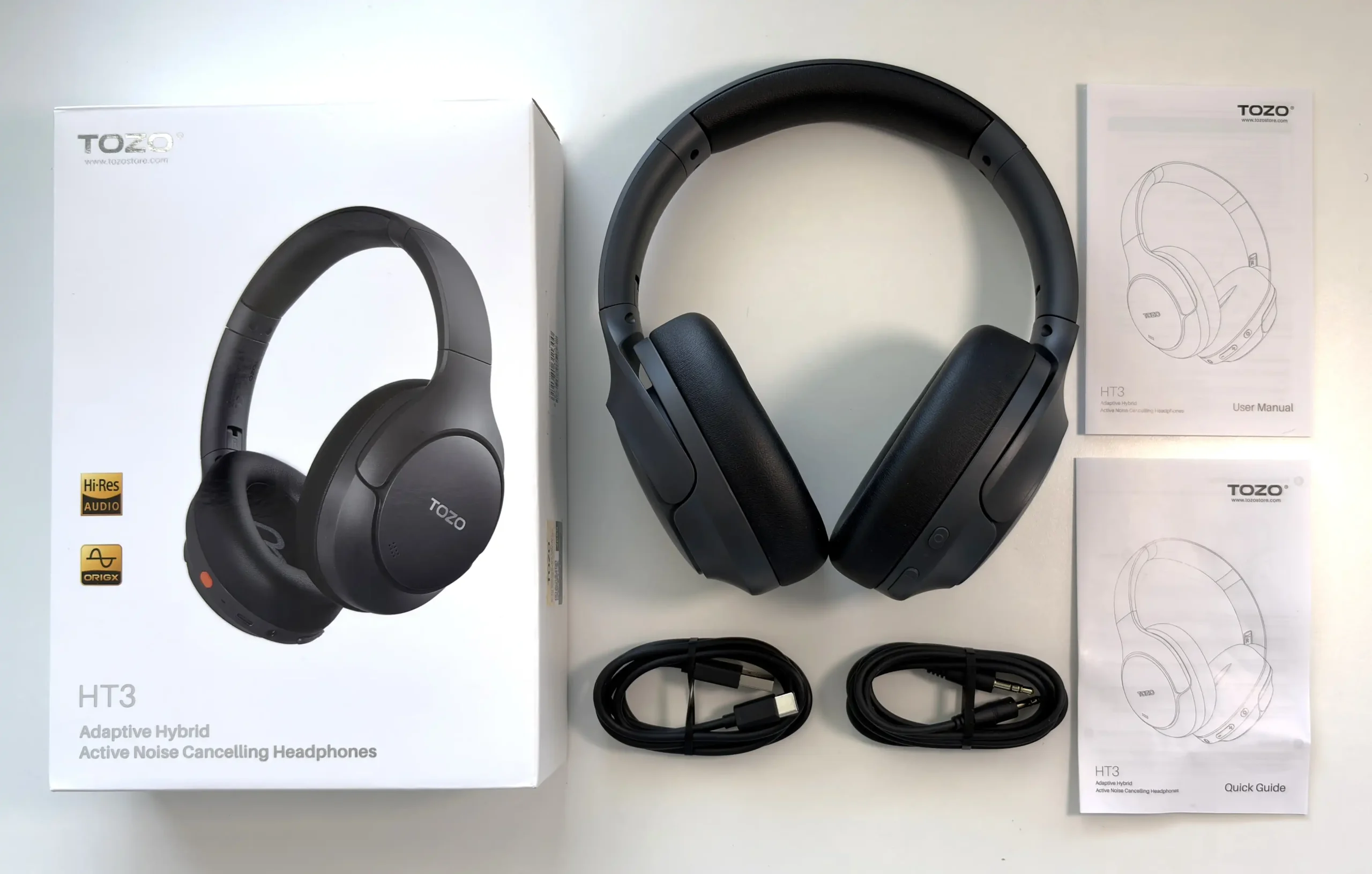
- TOZO HT3
- USB-A to USB-C cable
- 3.5mm cable
- Manual and quick guide
Design & Comfort
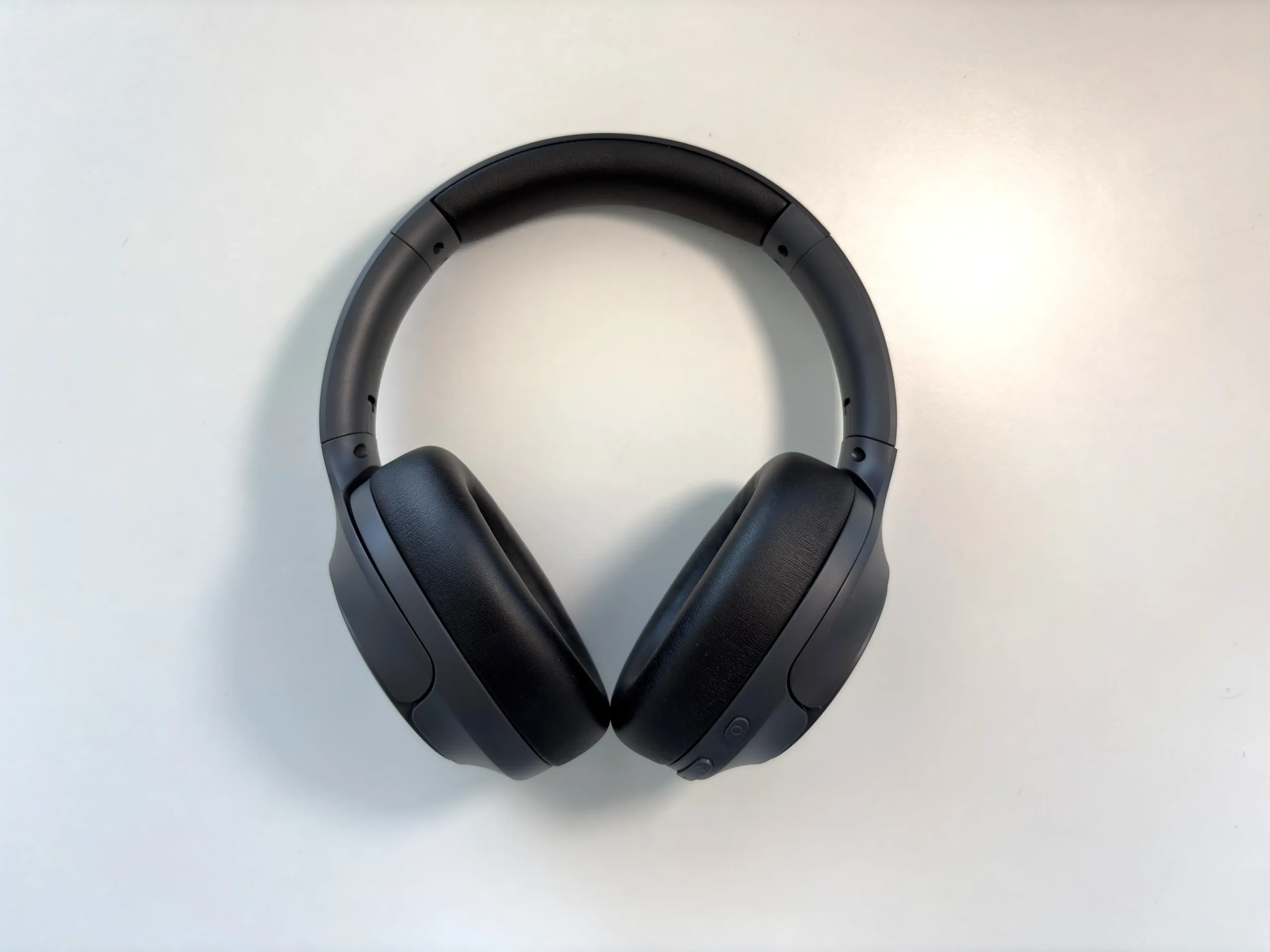
The TOZO HT3’s construction centers around hard polycarbonate plastic throughout. Build quality feels adequate for this price range, with joints that hold together well under normal handling. Some minor creaking occurs when twisting the headband assembly, but that’s par for the course with plastic. Overall, it feels really well-made for a headphone under $100. At 257g, the overall weight remains reasonable for over-ear headphones housing a 500mAh battery.
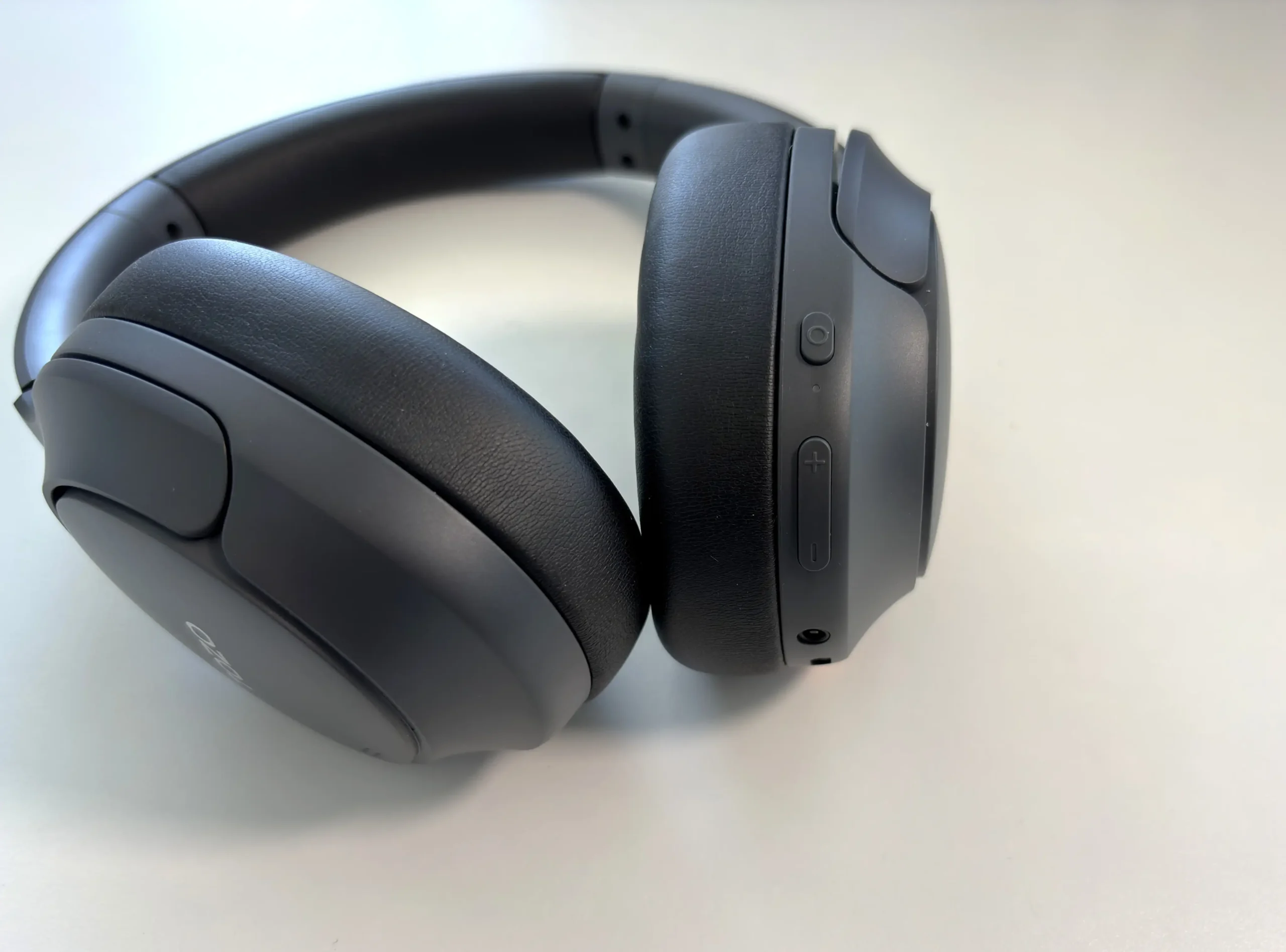
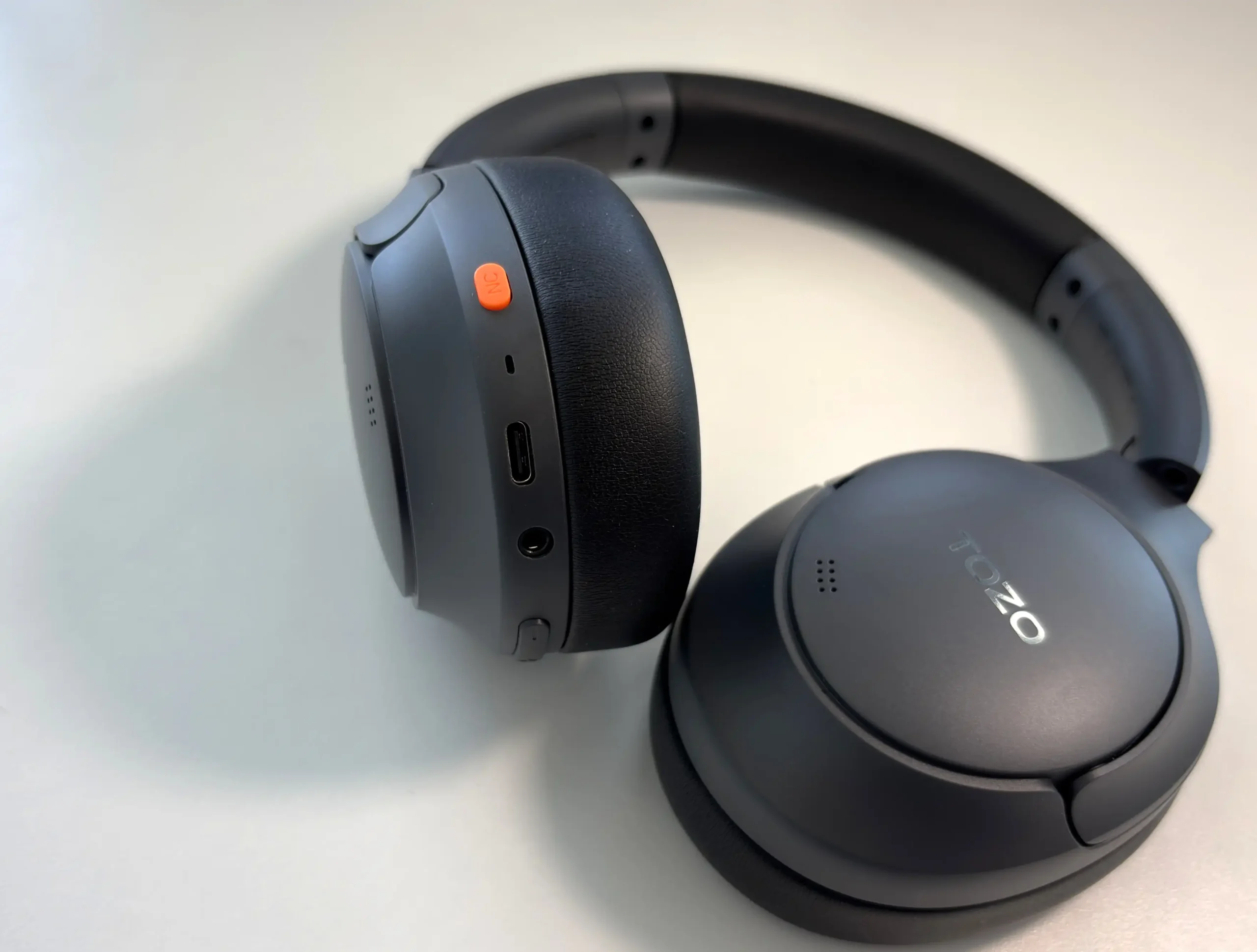


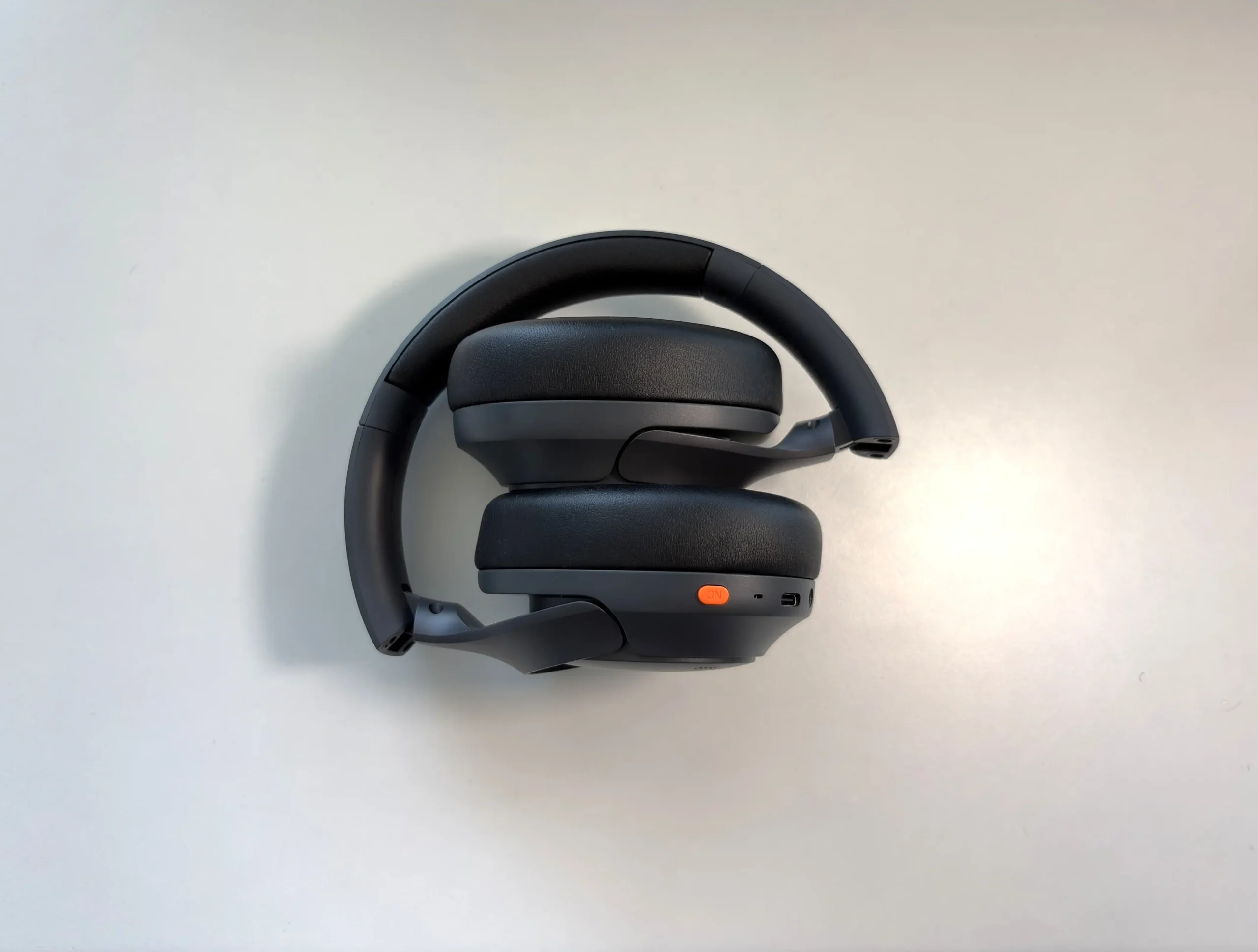
TOZO chose physical buttons over touch controls, a decision that proves wise in daily use (and is my preference as well). The right earcup houses all of the controls: the power/play/pause button, volume rocker, ANC/transparency toggle, plus both USB-C and 3.5mm ports. Button feedback feels satisfyingly tactile, though memorizing the various button combinations takes some time, as there are quite a few.
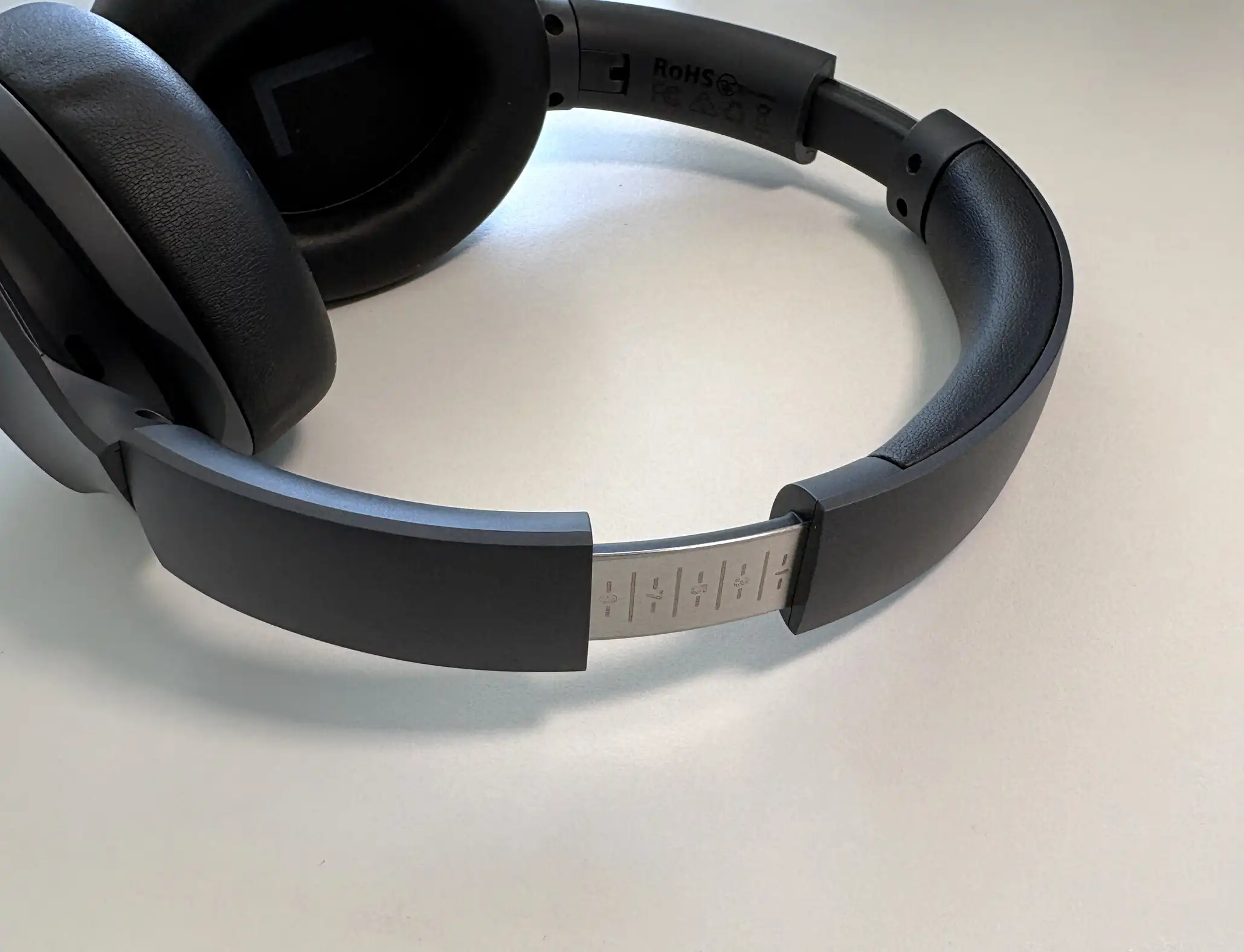
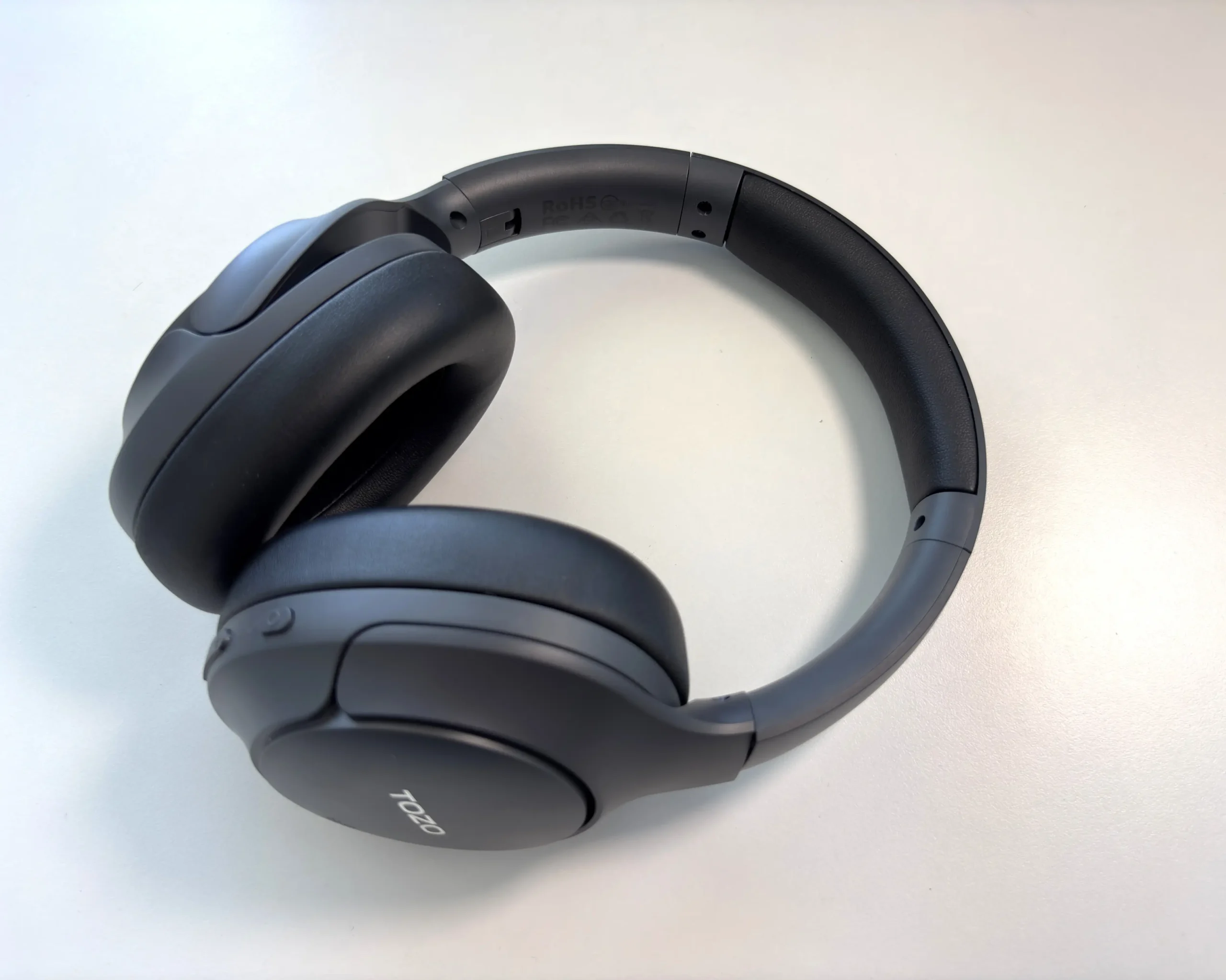


The headband adjustment mechanism uses steel sliders with numbered markings, making it straightforward to achieve a consistent fit on both sides. My head shape is on the smaller side, so I didn’t even need to adjust the headband at all to get a good fit. The earcups fold flat and fold inwards for storage, though without an included case, this thoughtful design detail loses much of its practical value.
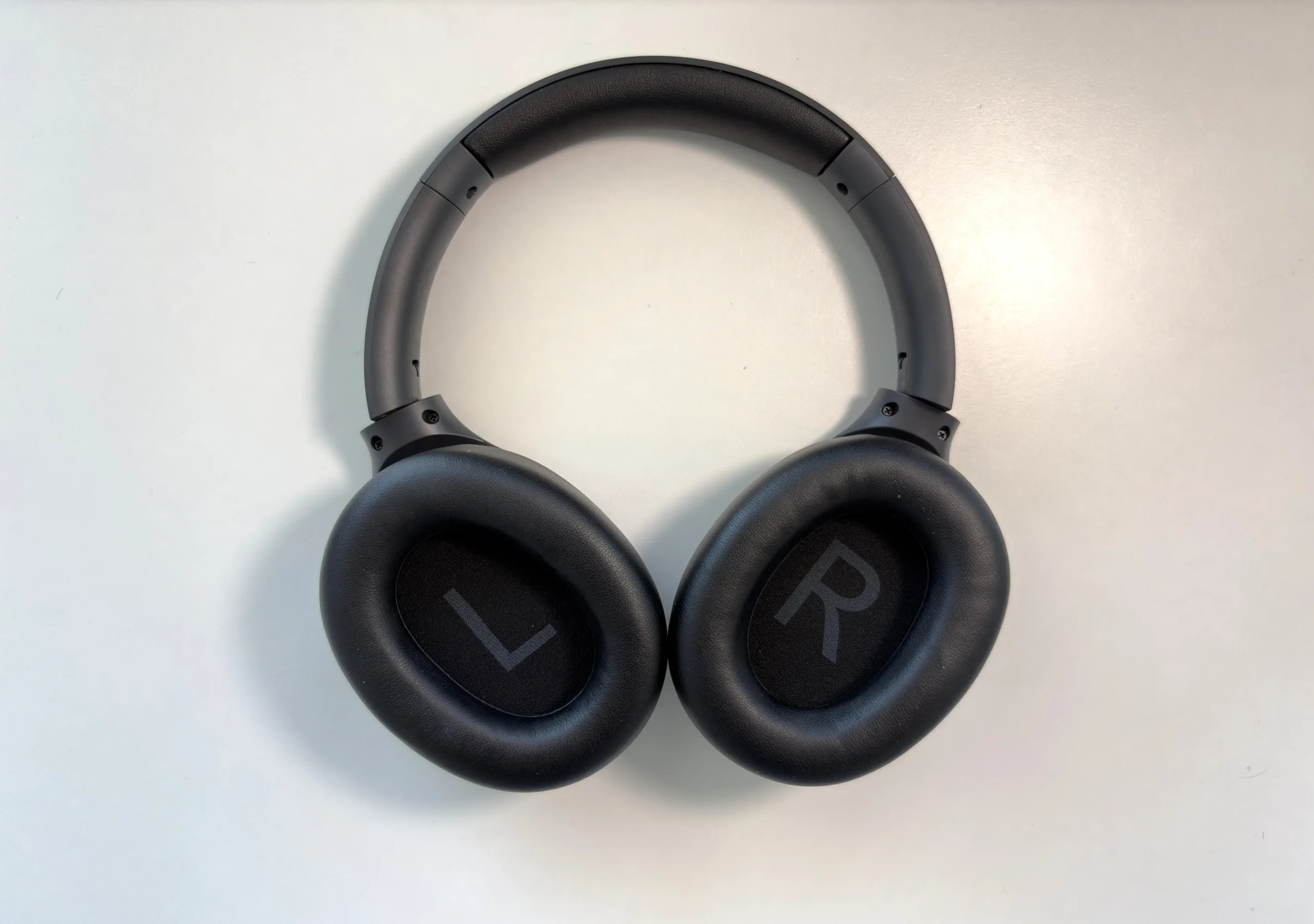
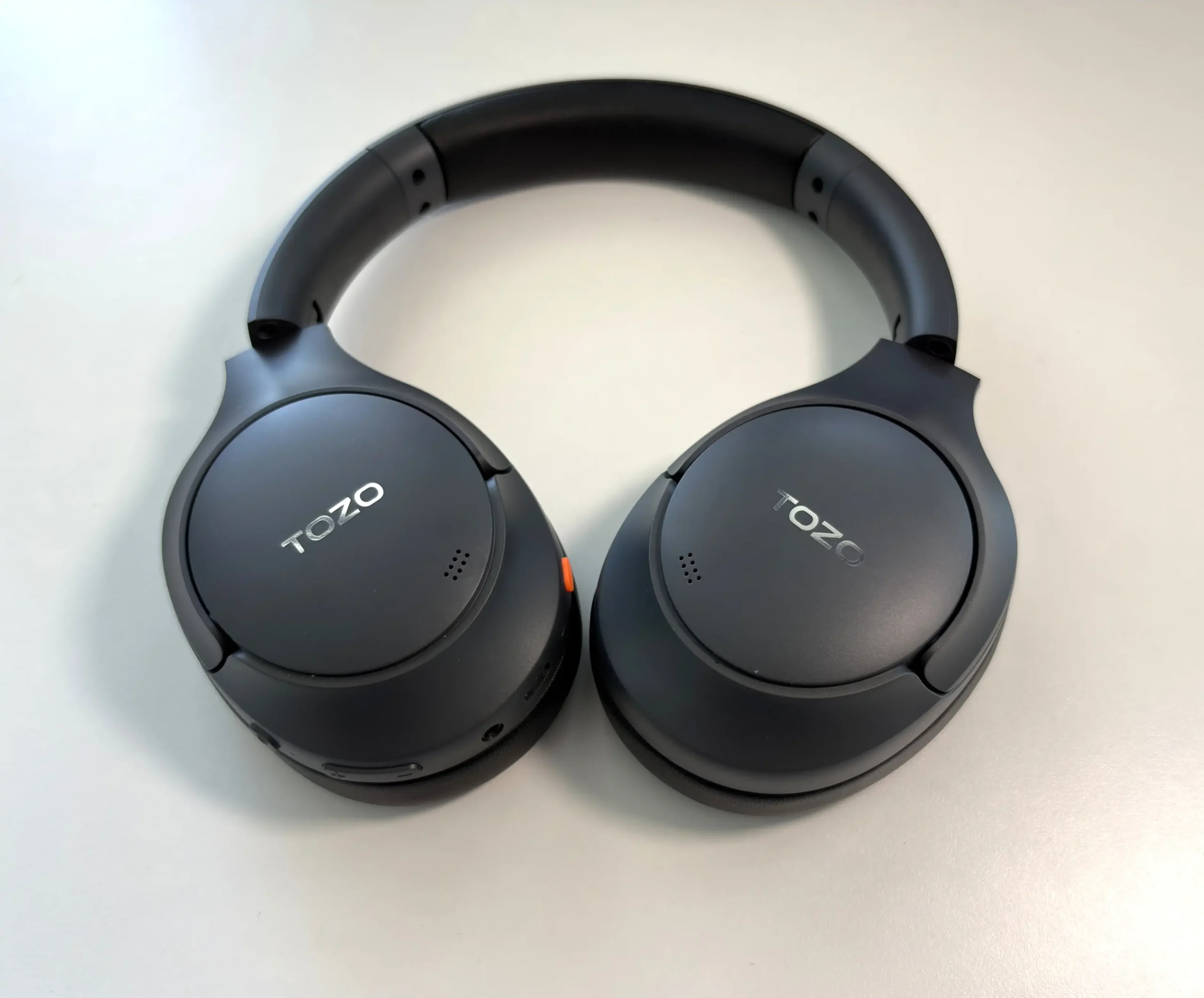
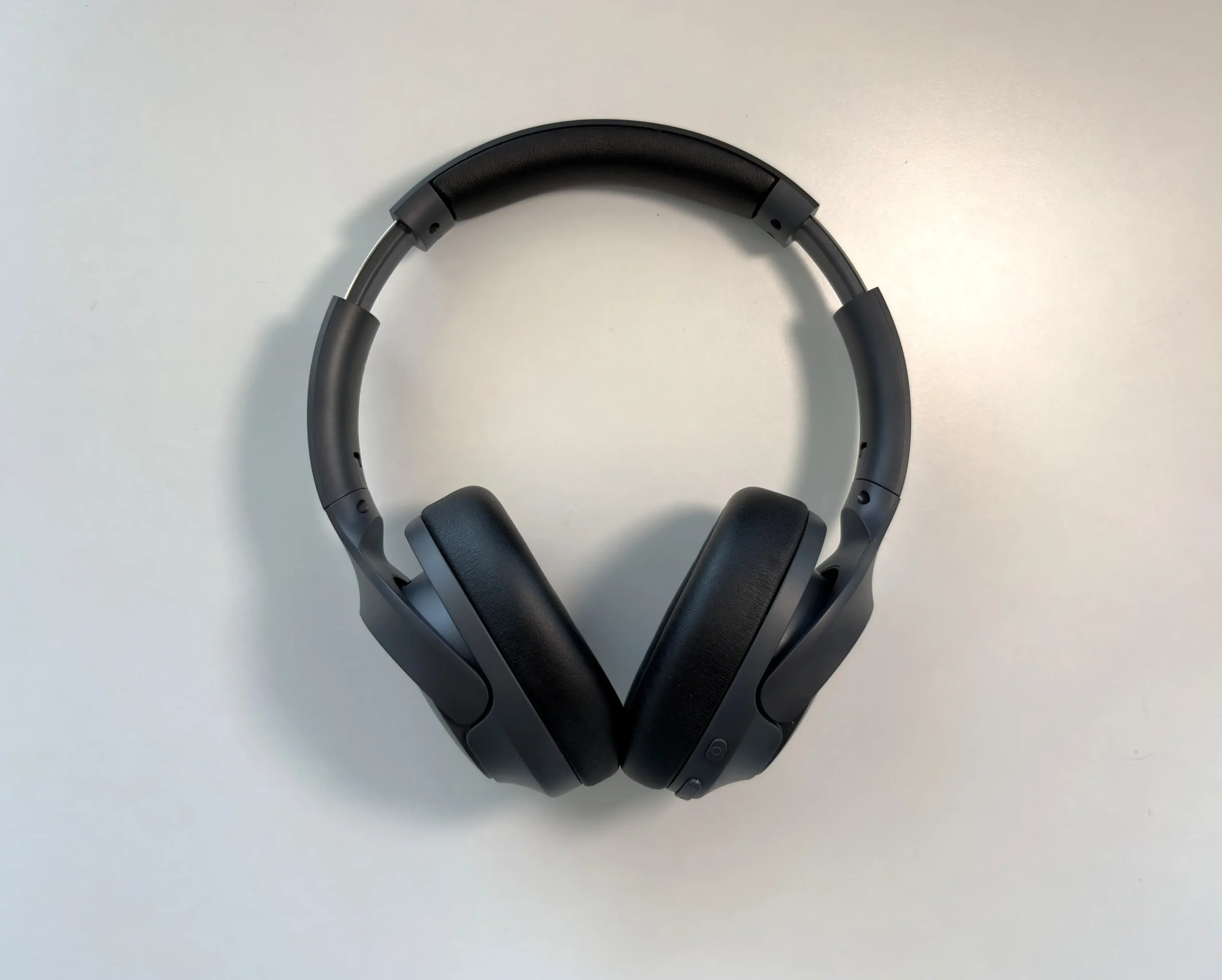


Soft protein leather covers both the earpads and the headband cushion. The earcups feature 90-degree rotation joints that help accommodate different head shapes. The initial clamp force is on the slightly tighter side, which is enough for stable positioning without immediate discomfort during short sessions. The clamp force does lessen with use, but not enough to change the fit.
TOZO App and EQ Options
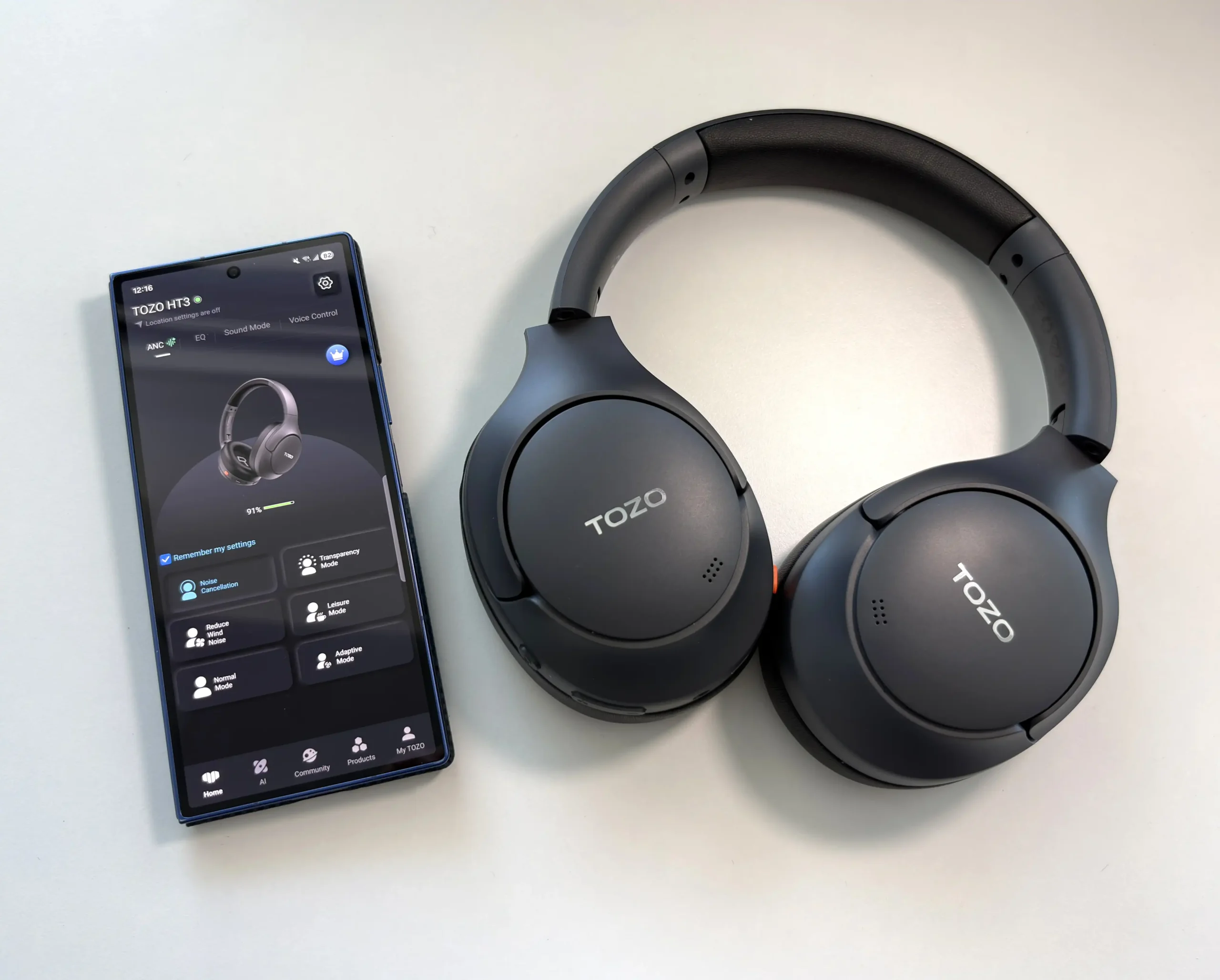
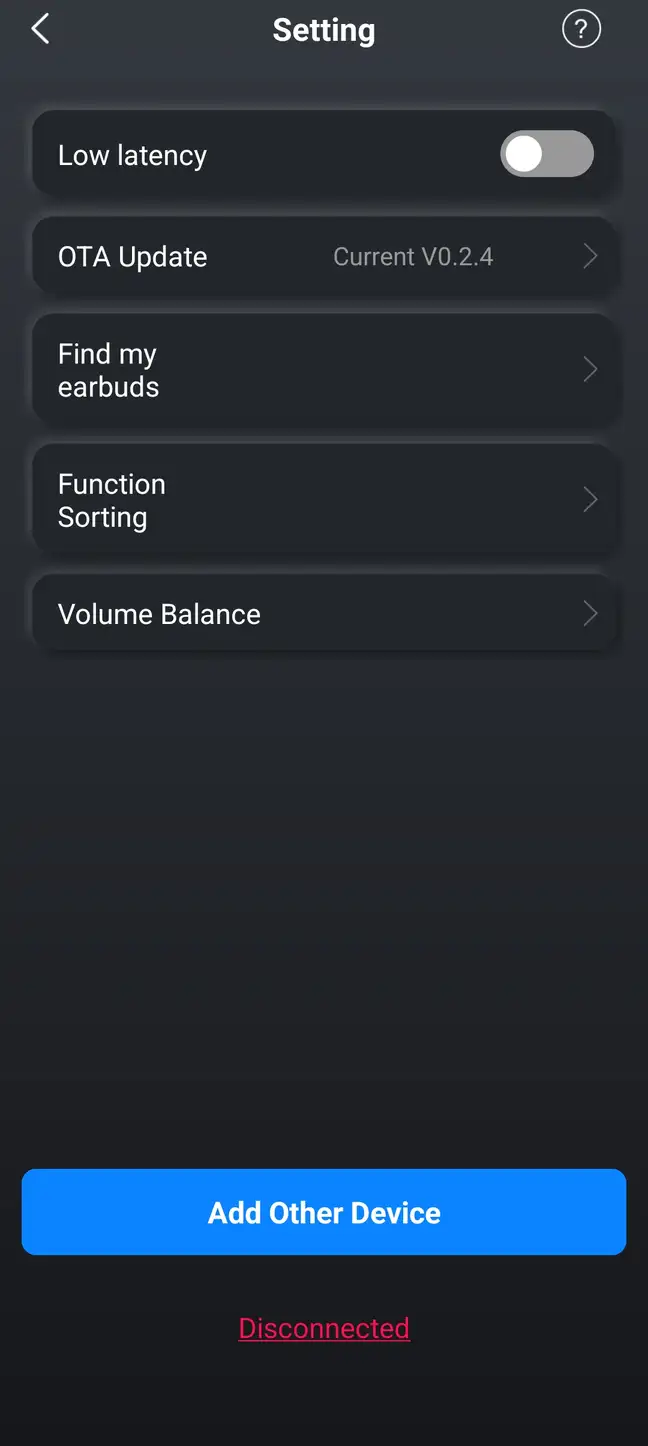
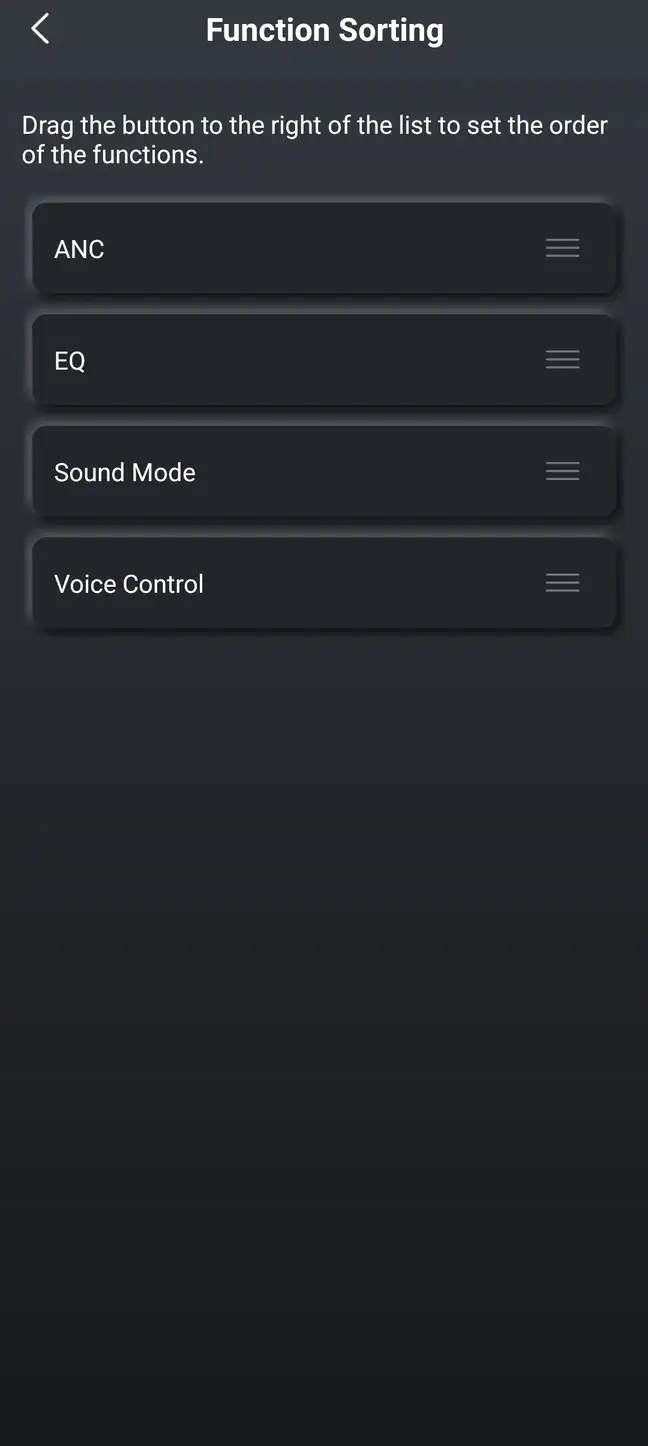
The companion app is overall well done and contains all of the options you need to customize and control the headphones. The app interface feels straightforward enough, though it requires account creation to access all of the features.
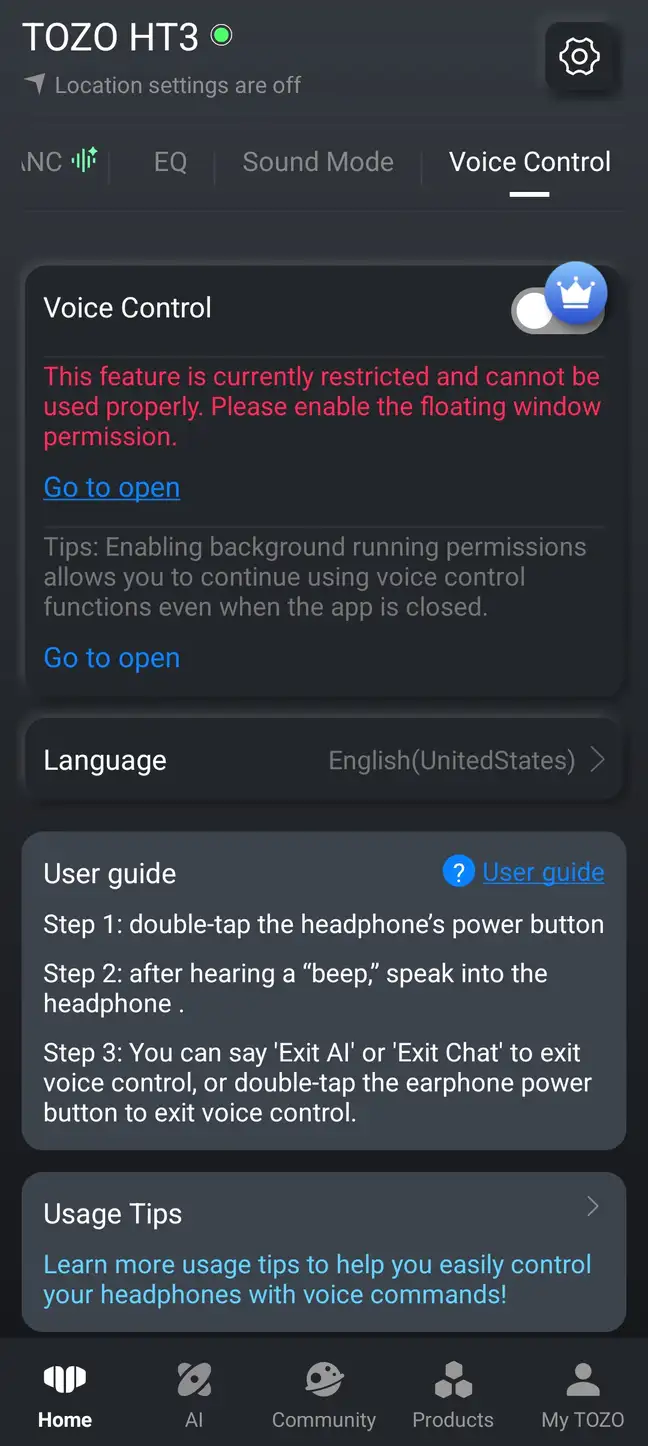
The AI-powered features include meeting recording with transcription, real-time translation, and simultaneous interpretation. These require account creation with membership tiers controlling usage minutes. I’m really on the fence about the usefulness of these kinds of features, but I did try the AI chat and voice control, and it does work pretty well. Thankfully, you’re not forced to use any of this, but it’s there if you want it.
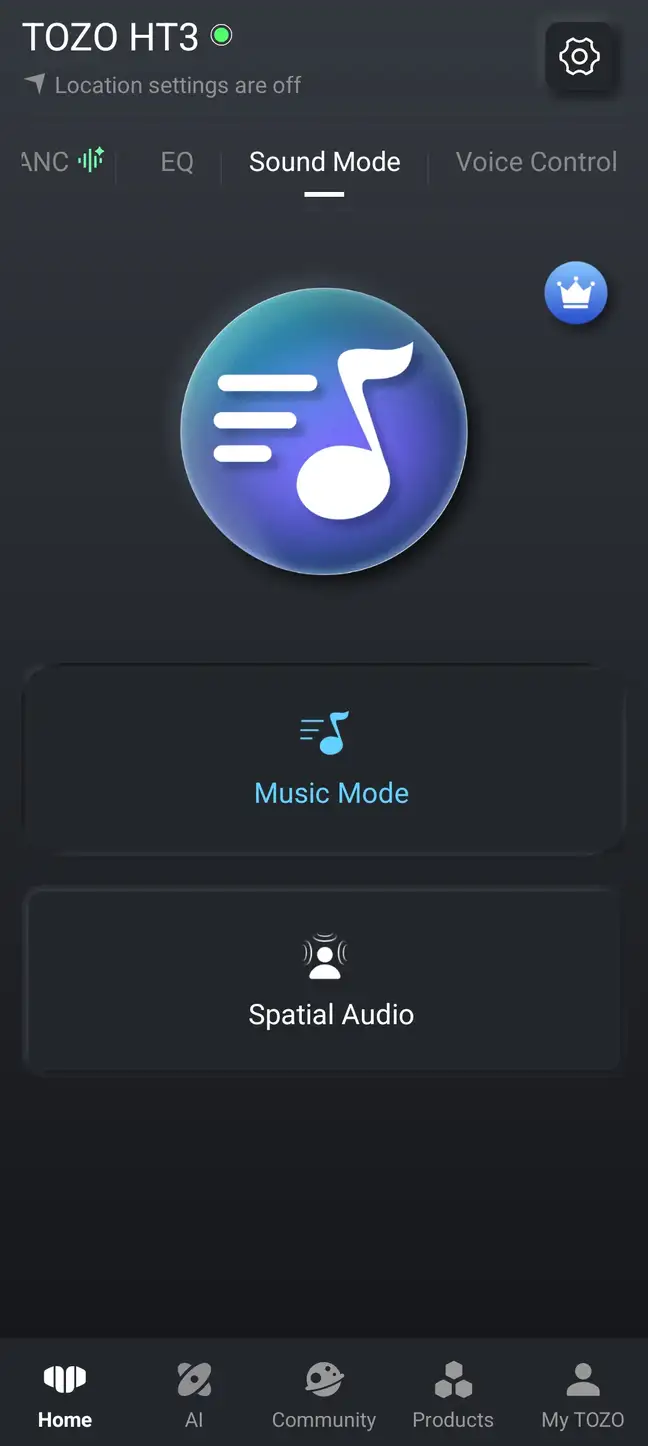
The Spatial audio processing widens the presentation during movies and gaming by pushing instruments outward. The effect sounds like an algorithmic enhancement rather than a true binaural recording, but it adds worthwhile immersion for cinematic content.
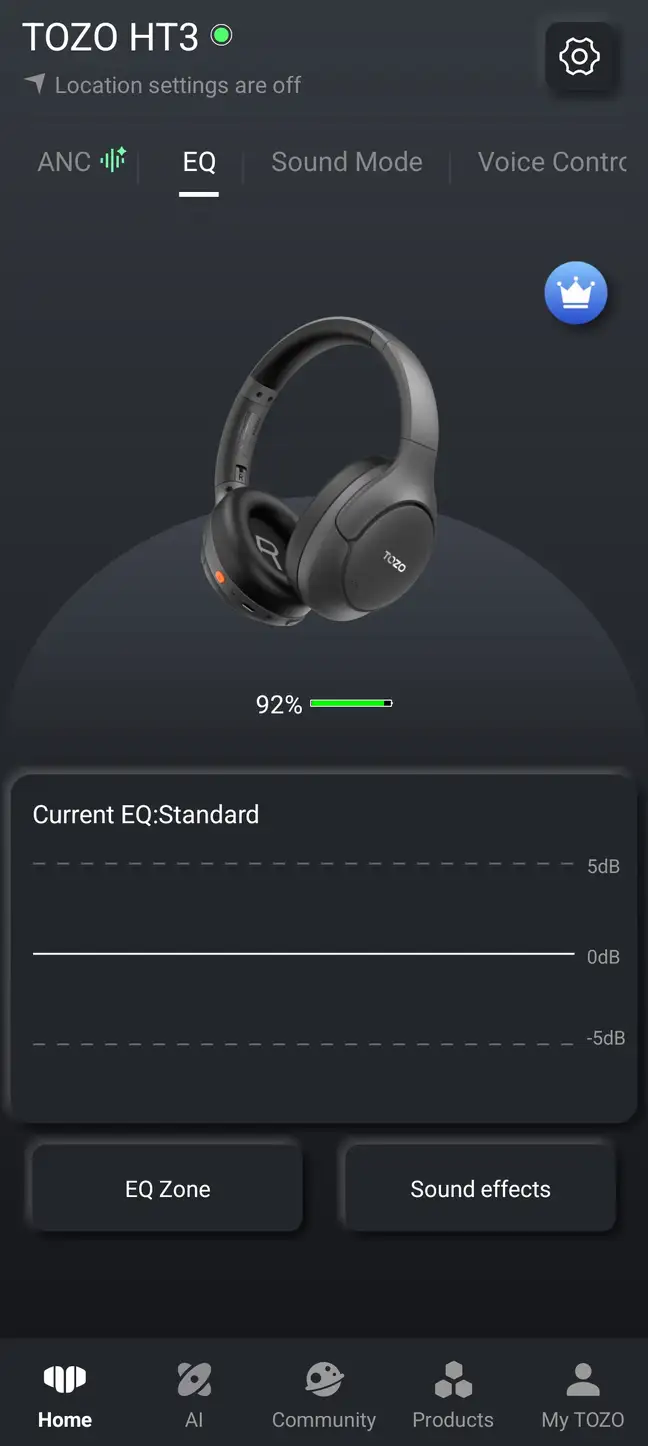
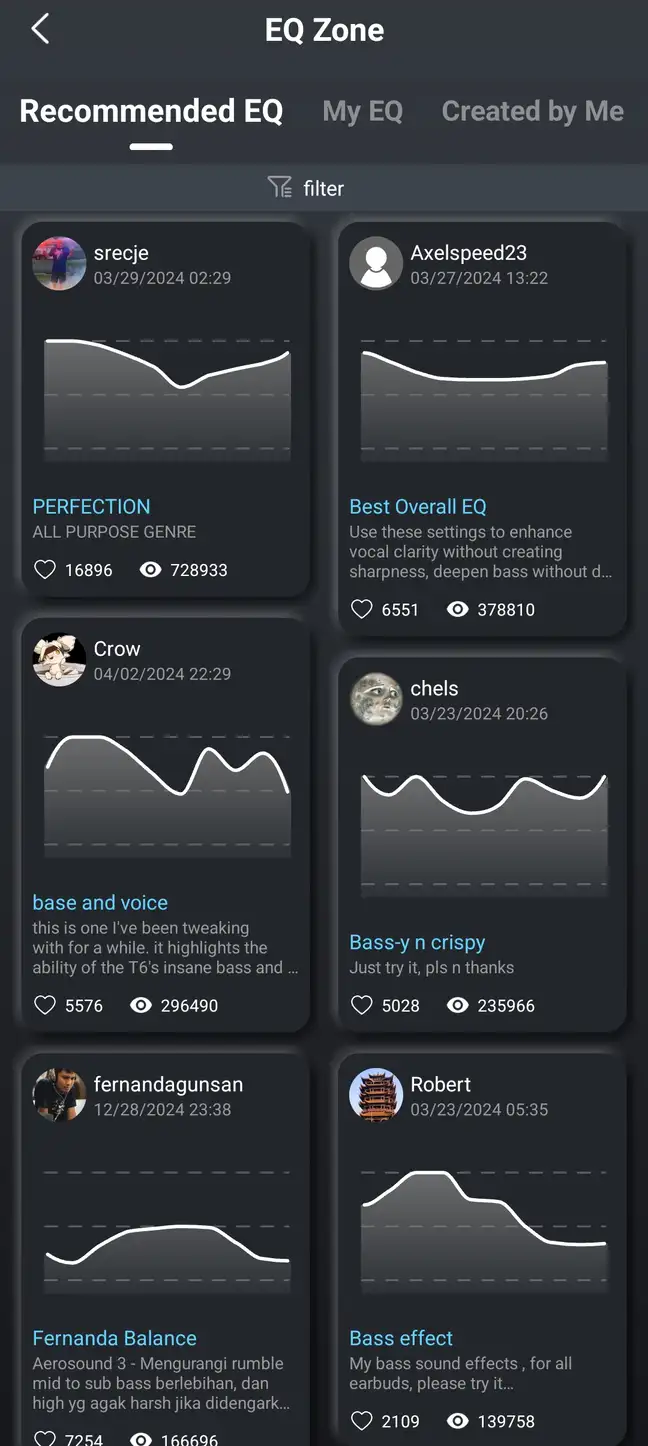
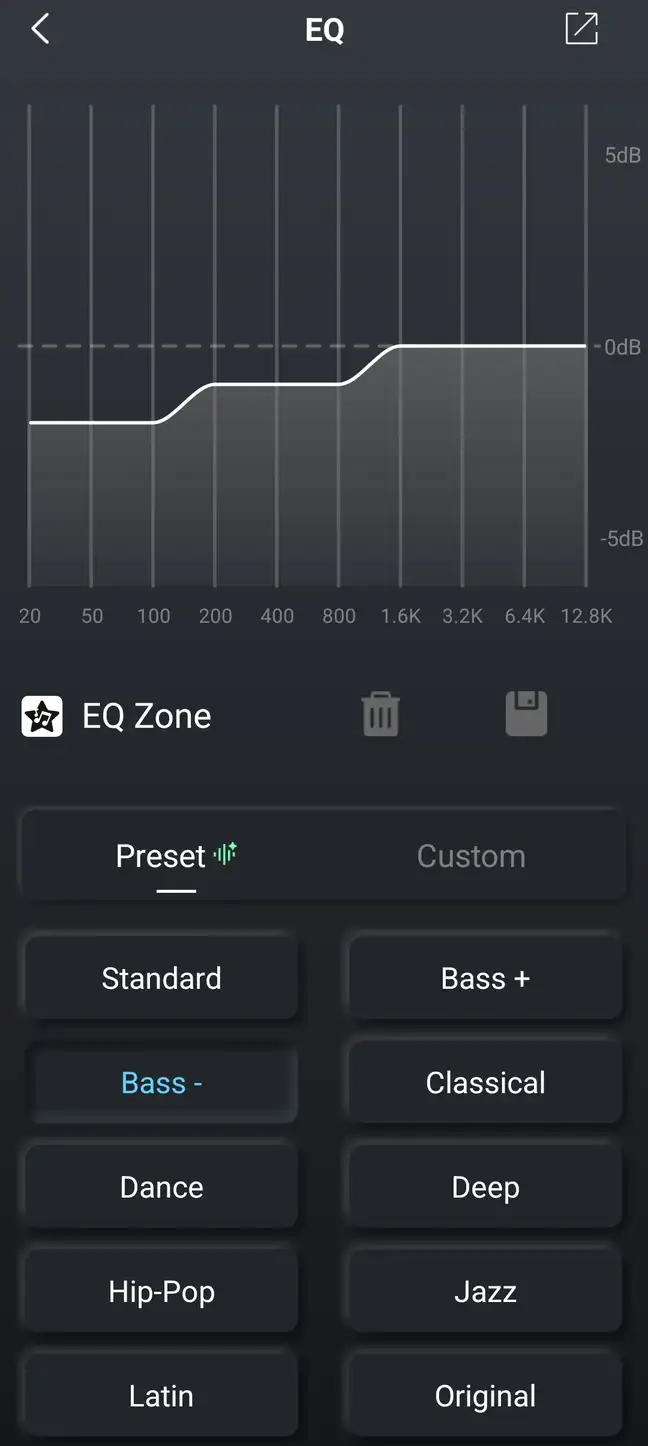
There’s also an EQ section where you can use one of the many presets, create your own, or use ones others have created (this is a great feature, honestly). The EQ is a basic 10-band graphic EQ with fixed frequencies.
The rest of the app feels like an advertisement, with the majority of sections not being practically useful for using the headphones. Again, thankfully, you can ignore the rest of the app. After basic instructions, when you first open the app, you aren’t bothered by anything, so it’s a fair middle ground that TOZO has chosen when it comes to pushing features and options towards the user.







Bluetooth Performance
Bluetooth 6.0 provides stable connections with efficient power management. The multipoint connectivity feature lets you pair two devices simultaneously, switching seamlessly between, say, a laptop and a smartphone without the need to re-pair. Connection establishment happens quickly, and I experienced no significant dropouts during my testing period. You only get AAC and SBC codec support, but AAC worked perfectly with every device I used the HT3 with.
ANC and Transparency
The TOZO HT3 achieves up to -45dB of noise reduction, which approaches the performance of older mid-range models from established brands. Low-frequency rumble from trains, buses, and HVAC systems gets reduced significantly. Busy environments like coffee shops benefit particularly well, as equipment noises and general environmental sounds drop enough that you can enjoy music at more reasonable volumes.
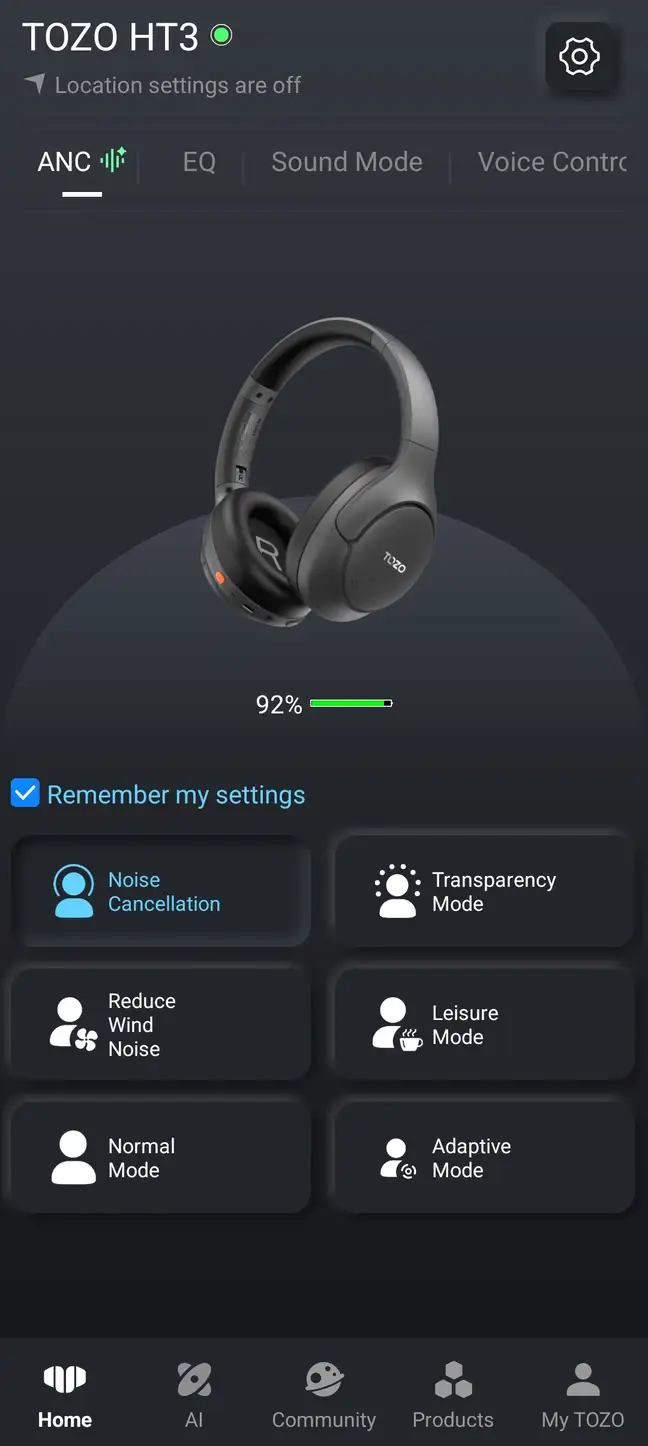
However, the ANC shows its budget limitations with mid and higher frequencies. Keyboard typing, conversations, and door slams remain audible, though noticeably softened. The adaptive ANC feature does help when transitioning between different environments, automatically ramping up noise cancellation when moving from quiet streets into busy coffee shops. There’s some slight pumping effect during rapid environmental changes, but it’s not dramatically distracting. You get 4 ANC modes: Noise Cancellation (maximum ANC), Reduce Wind Noise, Leisure Mode (moderate ANC), and Adaptive Mode.
Transparency mode passes external sound through with reasonable naturalness, avoiding the harsh hiss or obvious digital artifacts common in budget implementations. It works well enough for brief conversations and station announcements, though it lacks the seamless quality of Apple or flagship offerings. There’s also no slider to adjust the intensity, simply an on or off.
Battery Life
The TOZO HT3’s most impressive aspect is its battery endurance. TOZO claims 90 hours with ANC off and 55 hours with maximum ANC enabled, powered by a 500mAh battery that charges fully in roughly two hours. During my testing, I averaged 3-4 hours of daily listening with ANC active and went almost seven days between charges, with about 30% left before I charged the headphones. Even heavy users listening throughout a workday should only need to charge once weekly. This generous runtime means you can leave ANC enabled without constantly monitoring battery levels, a luxury rarely found in budget ANC headphones.
When the battery does drain completely, USB-C charging takes approximately two hours from empty to full. The 3.5mm wired connection offers a backup, and the ANC functionality still works in wired mode.
Sound Quality
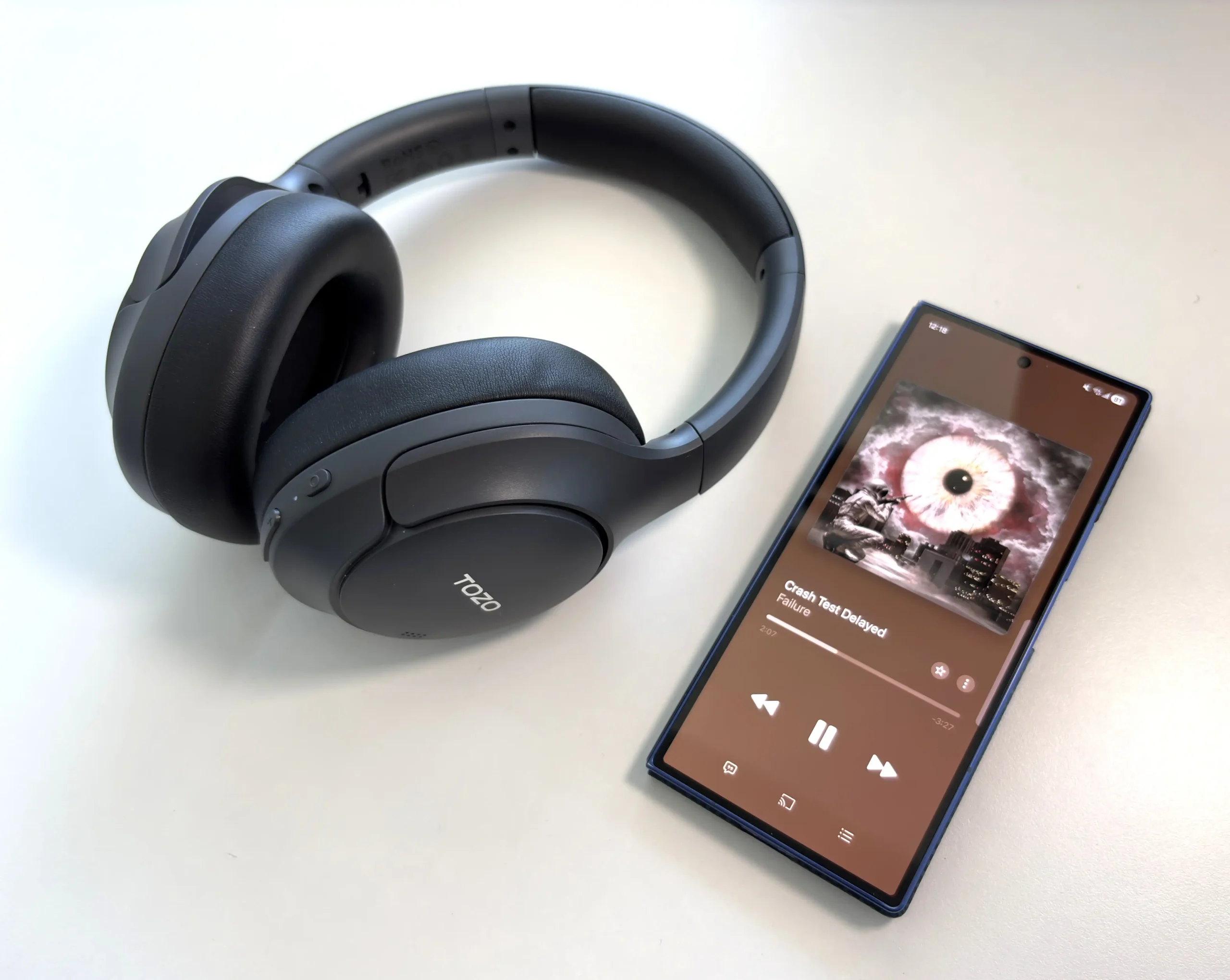
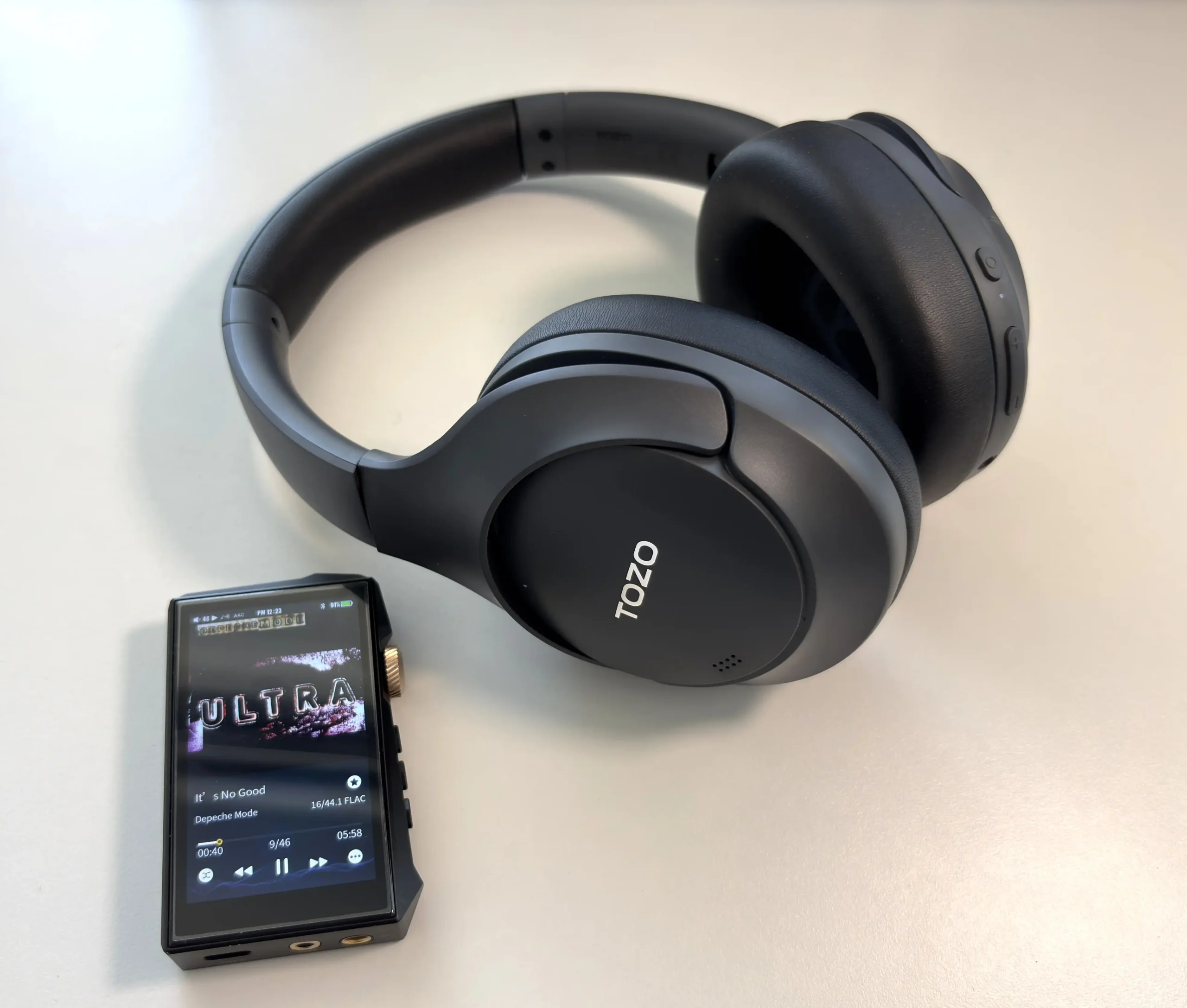
Devices and sources used for this review:
- Apple iPhone 16
- HIDIZS AP80 PRO MAX
- Samsung Galaxy Fold 7
Links to my music playlist used for the majority of testing:
The HT3’s 40mm drivers deliver a sound signature that makes no attempt at neutrality. This is a bass-heavy headphone through and through, with low frequencies that dominate the mix in ways that work well for hip-hop and electronic music but can muddy acoustic tracks. Kick drums and basslines receive substantial emphasis, which sounds engaging with some tracks, but crowds the lower midrange on rock and vocal-heavy material.
The midrange sits notably recessed compared to the bass presence, though male vocals maintain satisfying body and warmth. Female vocals come through clearly enough, but they lack the forward presentation that would make them truly shine. I found myself reaching for the EQ to bring vocals more to the front when listening to singer-songwriter material, though the stock sound is still listenable.
Treble response stays smooth without harsh peaks, clearly prioritizing long-session comfort over analytical detail. Cymbals and hi-hats appear present in the mix but lack the crispness that reveals nuances. This tuning choice makes sense for a budget ANC headphone, as it avoids the fatigue that often accompanies cheaper drivers pushed too hard in the upper frequencies.
Wired playback via the 3.5mm connection unlocks some improved detail with lossless tracks, expanding the soundstage noticeably compared to Bluetooth. The difference becomes most apparent with classical and jazz recordings, where instrument separation benefits from the cleaner signal path.
Microphone Performance
Call quality through the tri-mic ENC system proves just adequate for video calls. The mics deliver clean voice reproduction in quiet environments, but moderate background noise triggers noticeable digital processing. Louder or chaotic sounds cause audible gating that can chop speech and overwhelm the microphones. Like most budget headphones, the microphone quality is good enough for quick calls or to be used in quiet environments, but not something you would want to use on a daily basis if you’re subjected to a lot of background noise.
Final Thoughts
The question I posed at the beginning of this review, “Can headphones this inexpensive genuinely offer a great ANC experience?”, has been answered. The TOZO HT3 delivers on its core promise of effective ANC performance at a budget price point, and it does it pretty well.
With that said, the HT3 isn’t without frustrations. The missing carrying case feels like an oversight for headphones clearly designed for portability, and the bass-emphasized tuning lacks detail and clarity that some may be expecting to hear (this can be somewhat fixed with EQ, though). These limitations aren’t deal-breakers, they simply mean that you need to know what you want to get out of headphones like this.
For anyone seeking capable noise cancellation under $100, the TOZO HT3 should definitely be on your radar. The combination of excellent battery life, effective low-frequency noise reduction, and flexible app customization creates a solid package.

Buy from Amazon: https://amzn.to/4w3Tb3R
Buy directly from TOZO: https://www.tozostore.com/products/ht3?variant=52058023362849
The above links may be affiliate links. All commission earned through them goes directly to maintaining this site and bringing you more audio reviews.
I’m not always able to cover all the details of a product, both hardware and software, in our reviews. If you have any specific questions about this product, please feel free to leave a comment or contact me directly.
Be sure to check out our excellent Buyer’s Guides, as well as our other Reviews.
HiFi Oasis Verdict
HiFi Oasis Verdict-
Design & Comfort8/10 Very good
-
Sound7/10 Good
-
Features/Accessories7/10 Good
-
Value7/10 Good
Pros
- Strong ANC for the price (great with low-frequency noise)
- Good comfort and physical controls
- Excellent sound customization options
- Superb battery life (up to ~55h ANC)
- Reliable Bluetooth + multipoint
- Solid companion app
Cons
- Bass-heavy, lacks clarity and balance
- Weak treble detail
- ANC weaker for voices/high frequencies
- No carrying case