





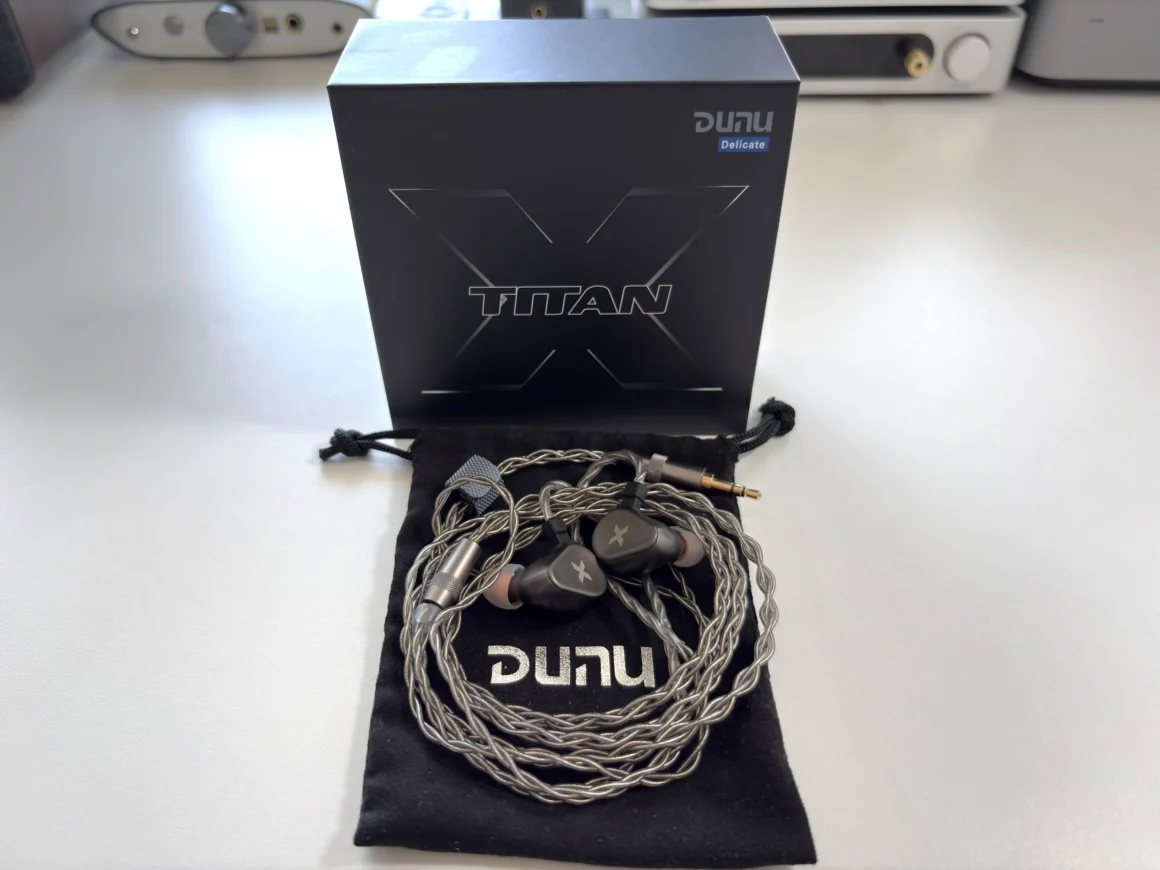
Disclosure: I’d like to thank HiFiGo for providing me with the DUNU Titan X for this review. All thoughts and opinions are my own, and HiFiGo had no say or input on the contents of this review.
The Titan X is a sub-$50 wired IEM from DUNU positioned as an “entry-level market disruptor” with unusually premium materials for the price: a metal (high-density alloy) shell, a detachable 0.78 mm 2‑pin cable, and two variants (3.5 mm connection or USB‑C with inline DSP + mic). I have the 3.5mm version here for review. At an MSRP of $35, it enters an intensely competitive price range, and on top of that, the Titan X is supposed to compete with IEMs in the $50 range, but without the usual compromises of cheap materials, poor quality accessories, and an uninteresting sound. Even before listening to them, they have a lot to live up to. Can the DUNU Titan X, with its single 10mm dynamic driver, deliver on these promises? Let’s get into the review and find out.
Key Specifications
- Product Page: https://hifigo.com/products/dunu-titan-x
- MSRP: $35 USD
- Type: IEM (in-ear monitor)
- Driver Type: 10mm Dynamic Driver (DD)
- Impedance: 16 ohms
- Sensitivity: 123dB/Vrms(@1kHz)
- Weight: 13 grams per side
- Connection: 0.78mm 2-pin connector
- Detachable Cable: Yes
In the Box
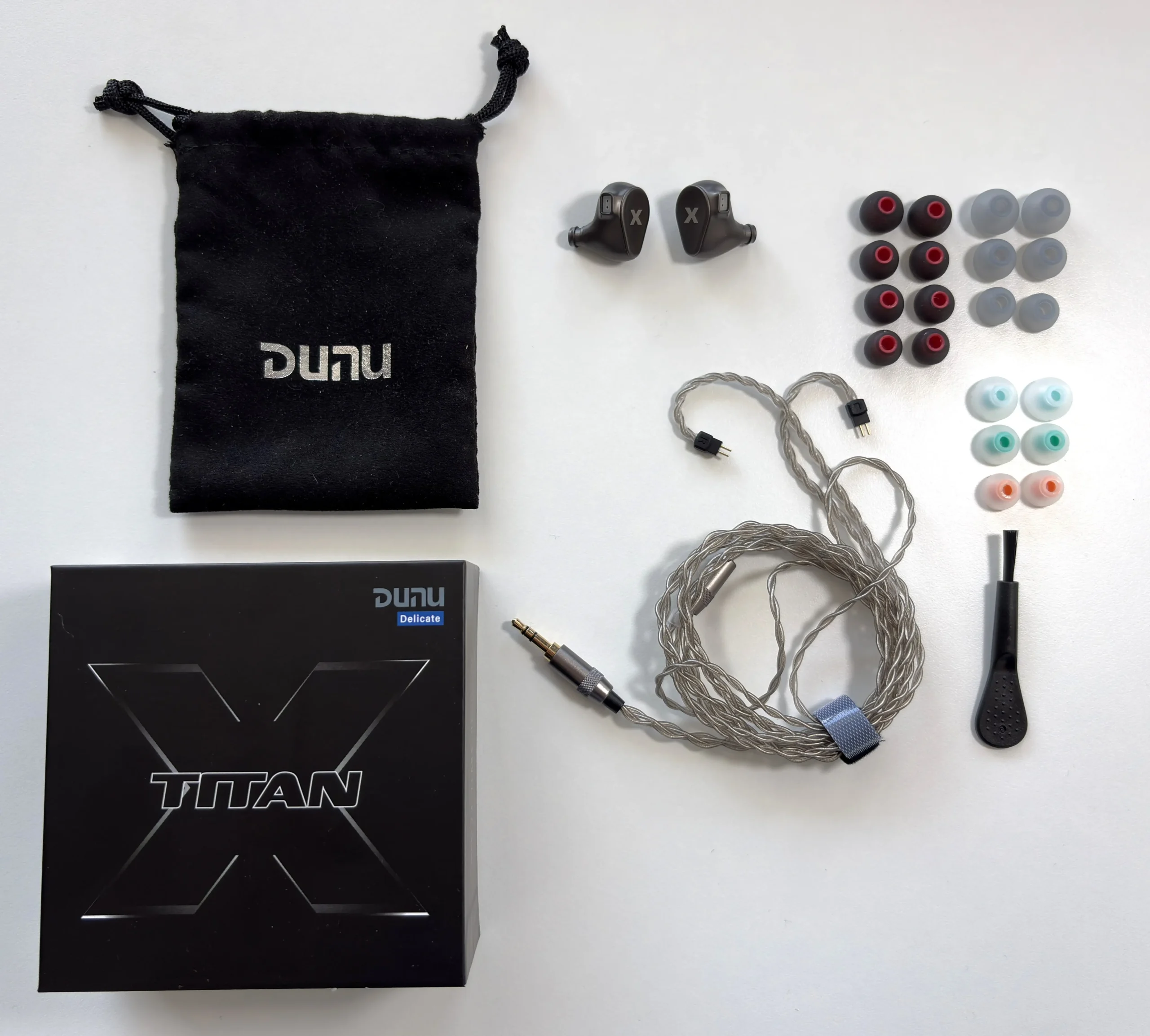
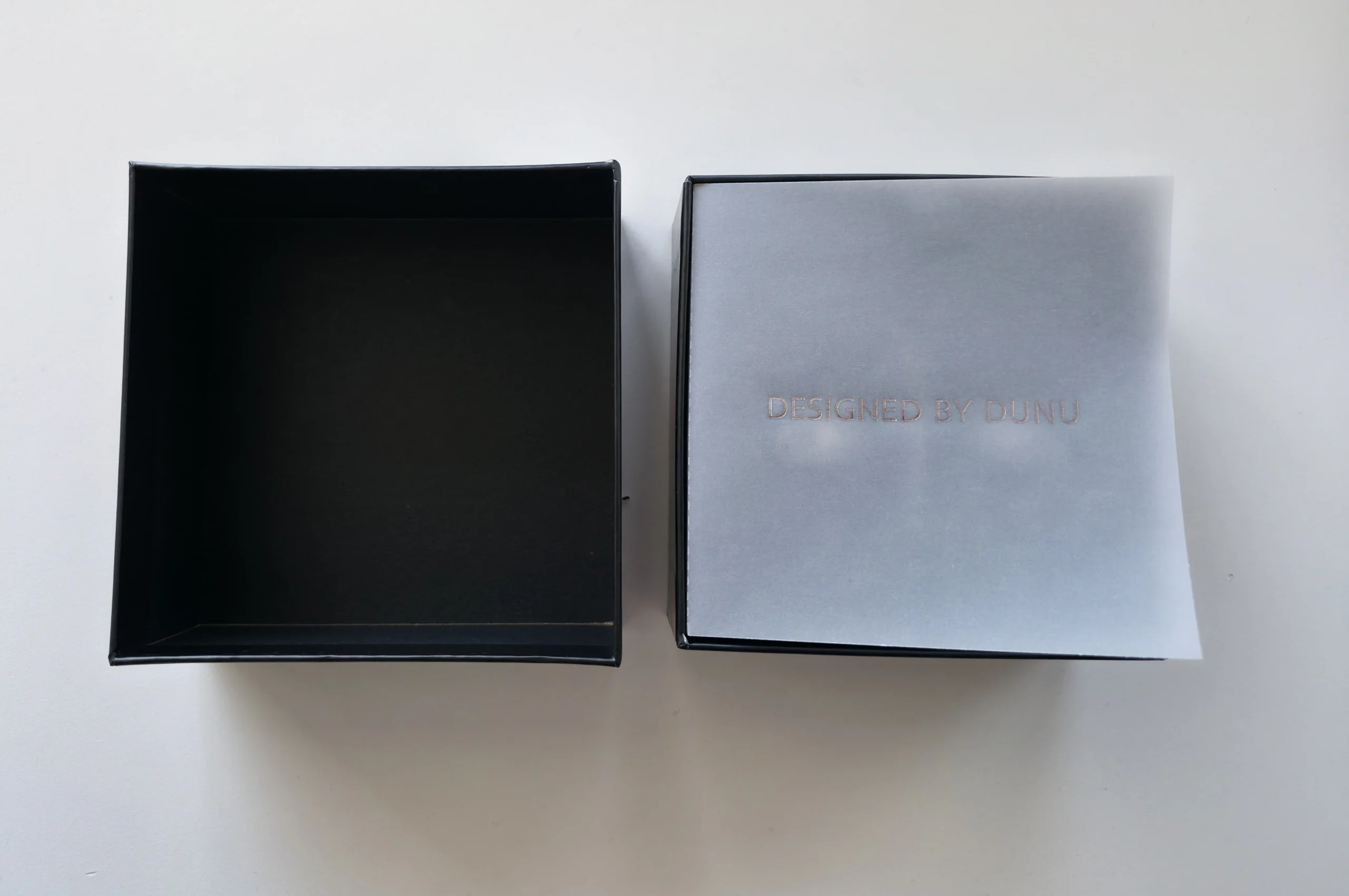


- DUNU Titan X
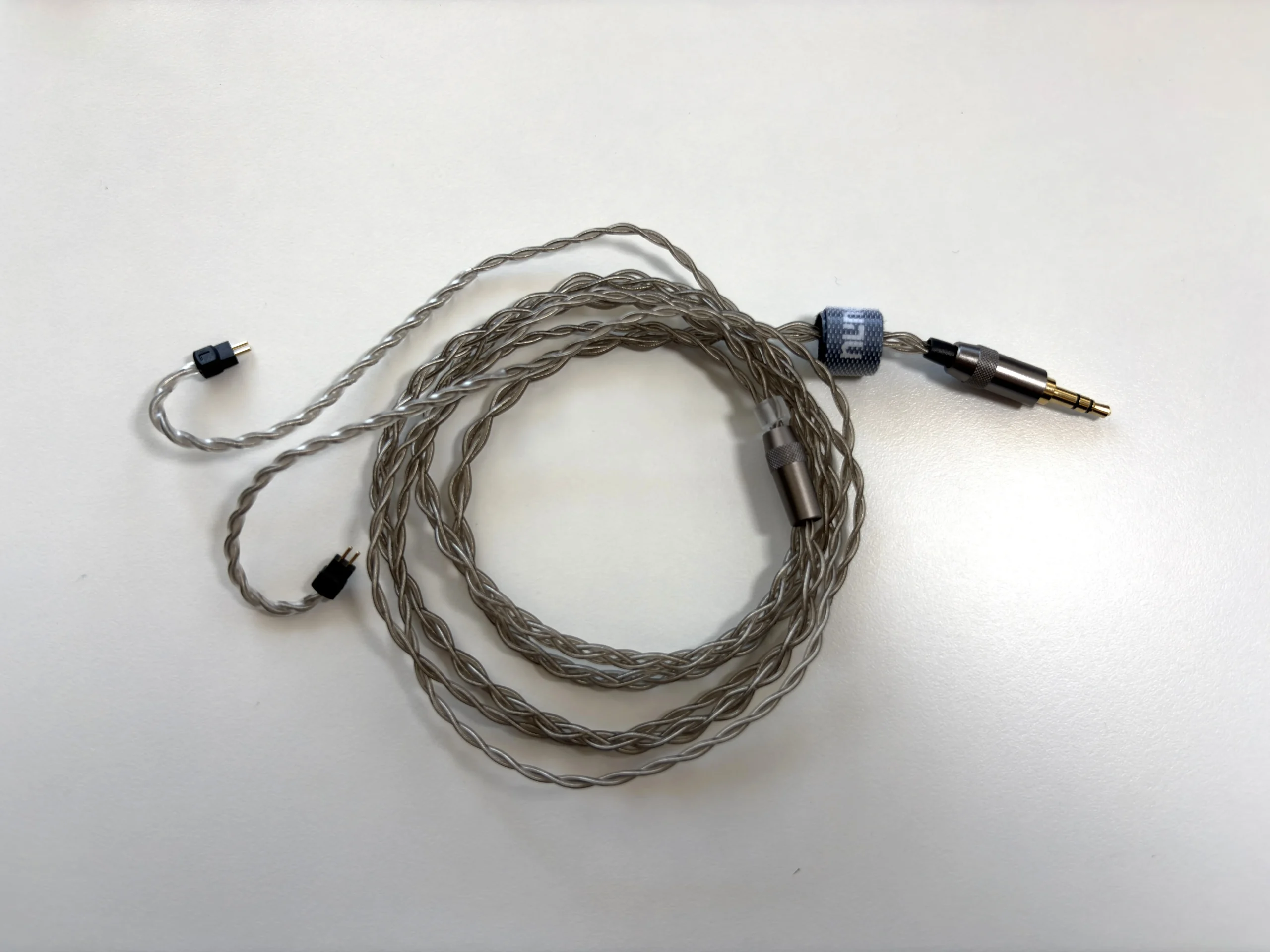
- 4-strand high-purity silver-plated cable with 3.5mm termination
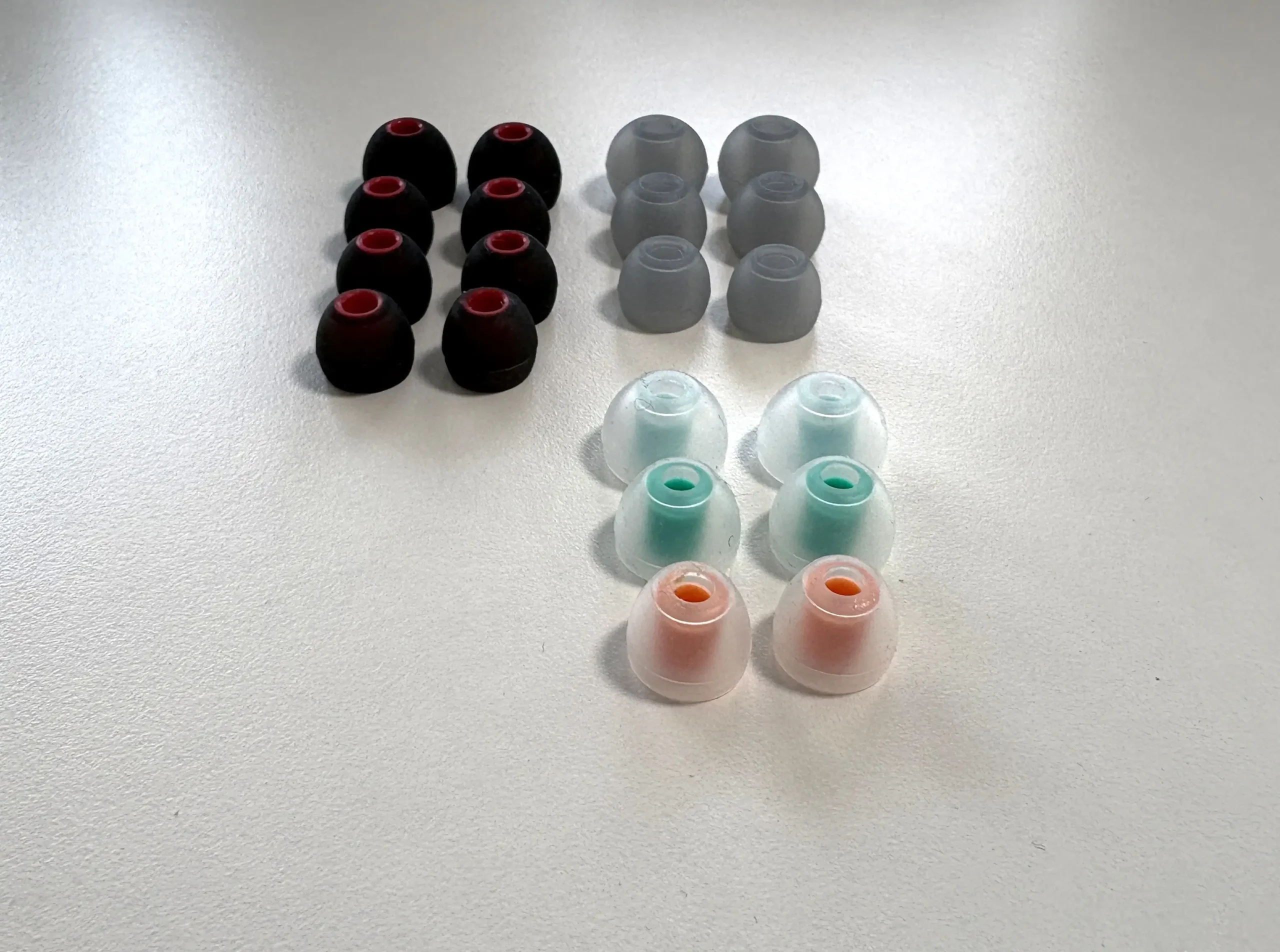
- DUNU “Candy” ear tips (S, M, L)
- Black “Atmosphere” ear tips (S, M, L)
- Gray “Balanced” ear tips (S, M, L)
- Cleaning brush
- Drawstring storage pouch
Design & Comfort
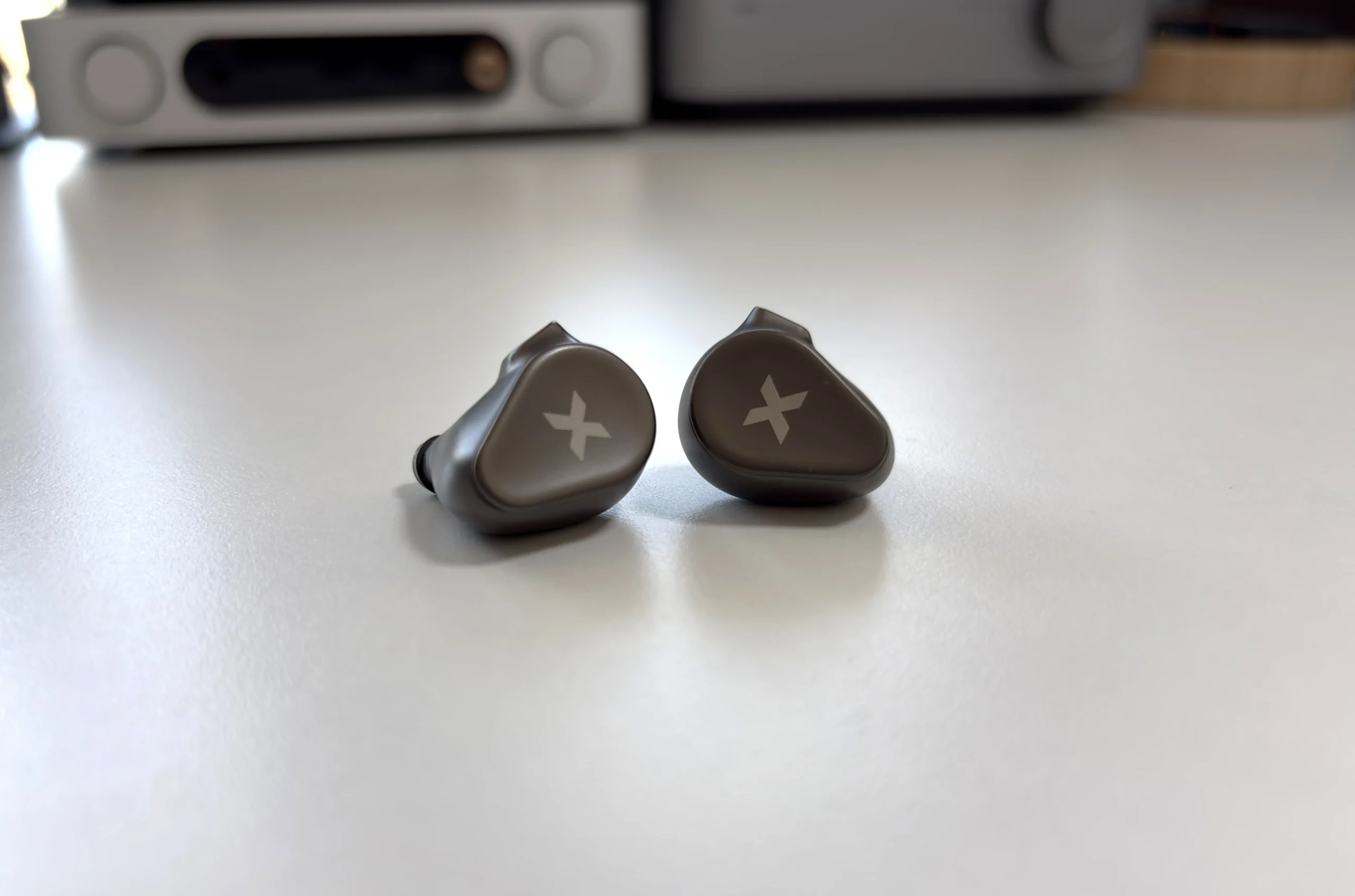
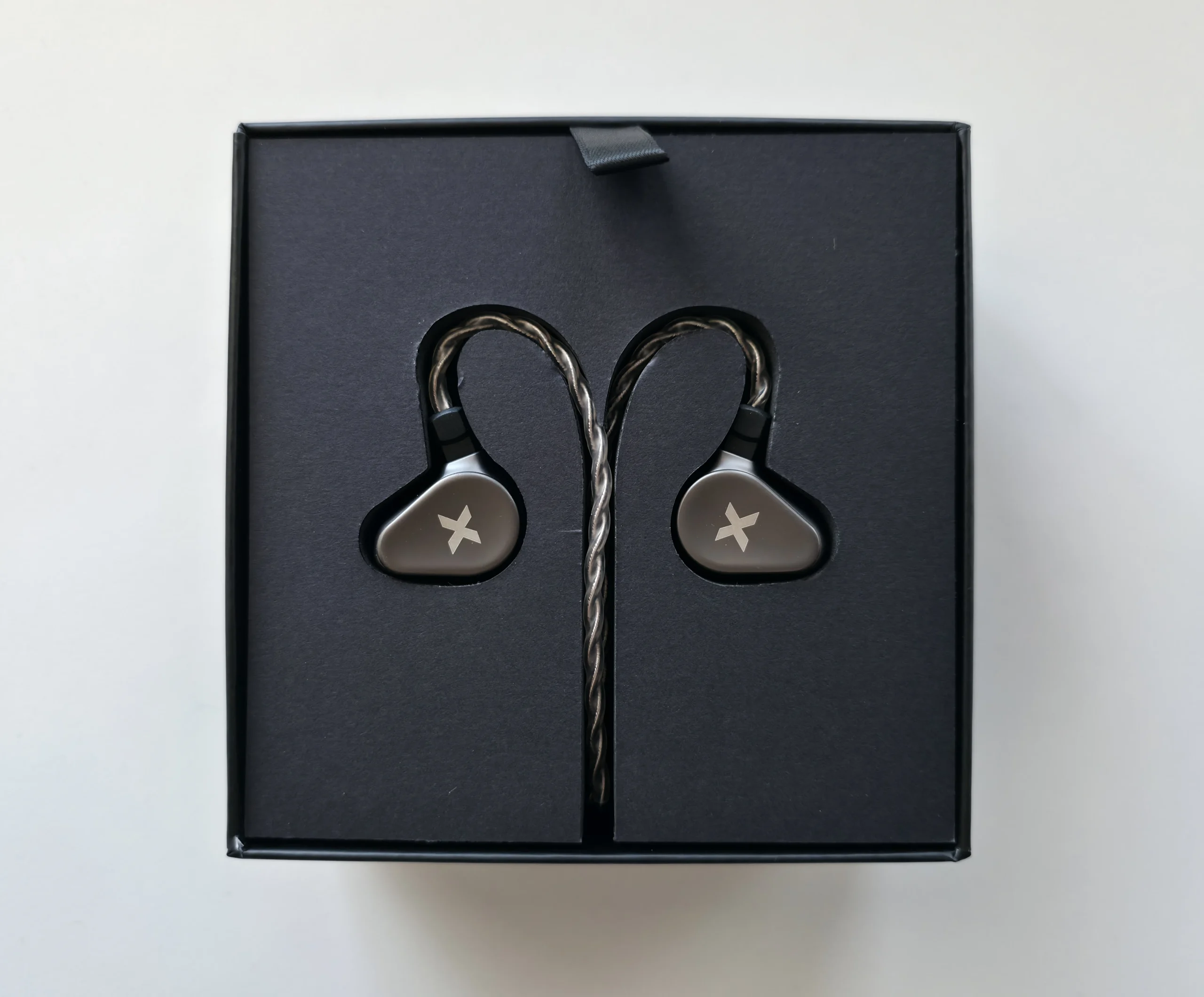
The build materials and ergonomics are central to the DUNU Titan X’s identity. It has a solid metal shell and faceplate with an industrial aesthetic and a hefty, dense feel. At 13 grams per earbud, they do feel solid and premium. DUNU has kept things pretty minimalistic here, with a simple “X” design on the faceplate. Other than the L/R markings on the inside of each earpiece, there are no names or logos anywhere.
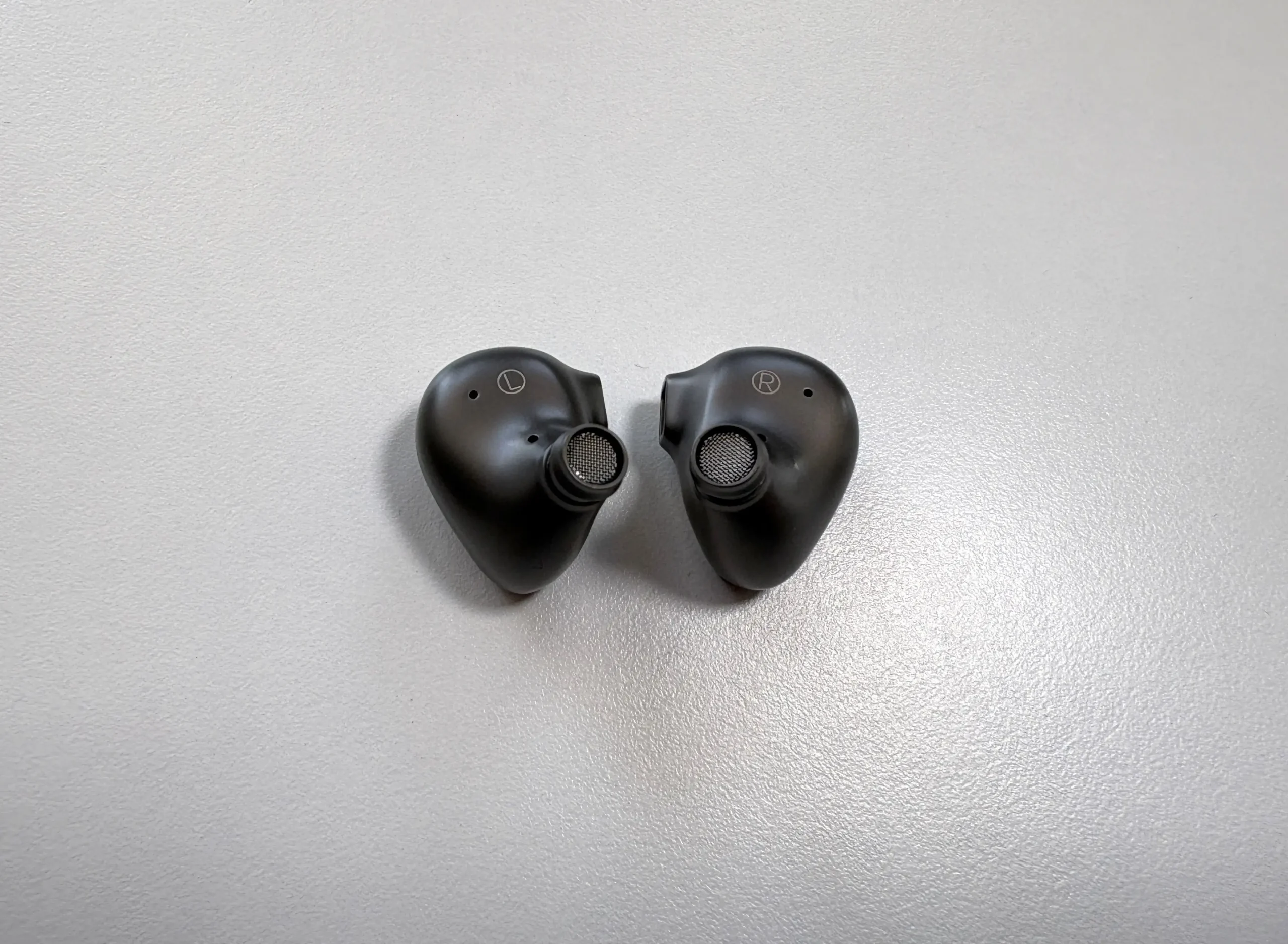
On the inside part of the shell are two vents that form the pressure relief system, which tends to reduce occlusion and pressure sensations during insertion and help bass consistency by avoiding driver flex behavior. I would say that it works very well, as I didn’t notice any pressure buildup issues during use.
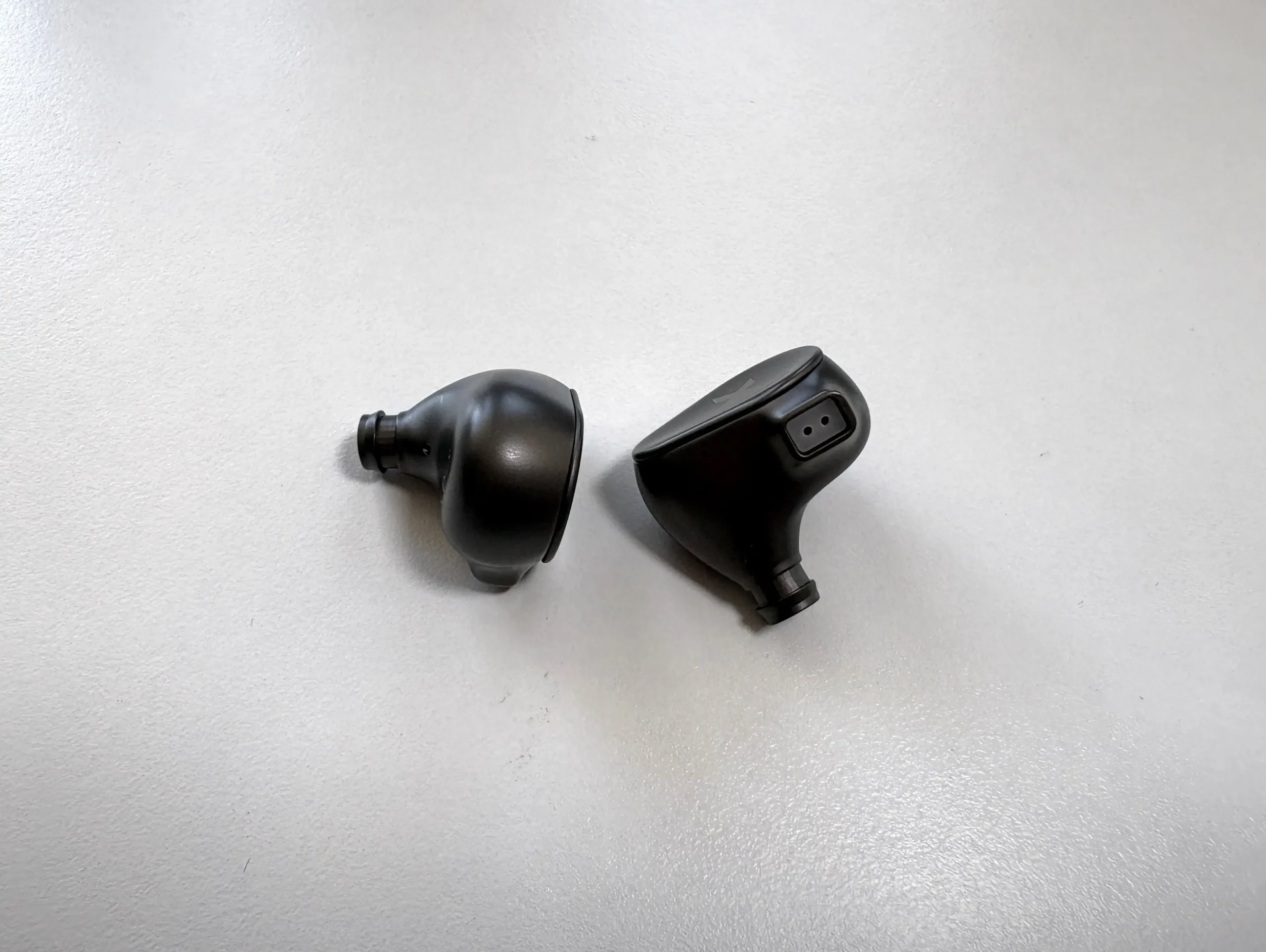
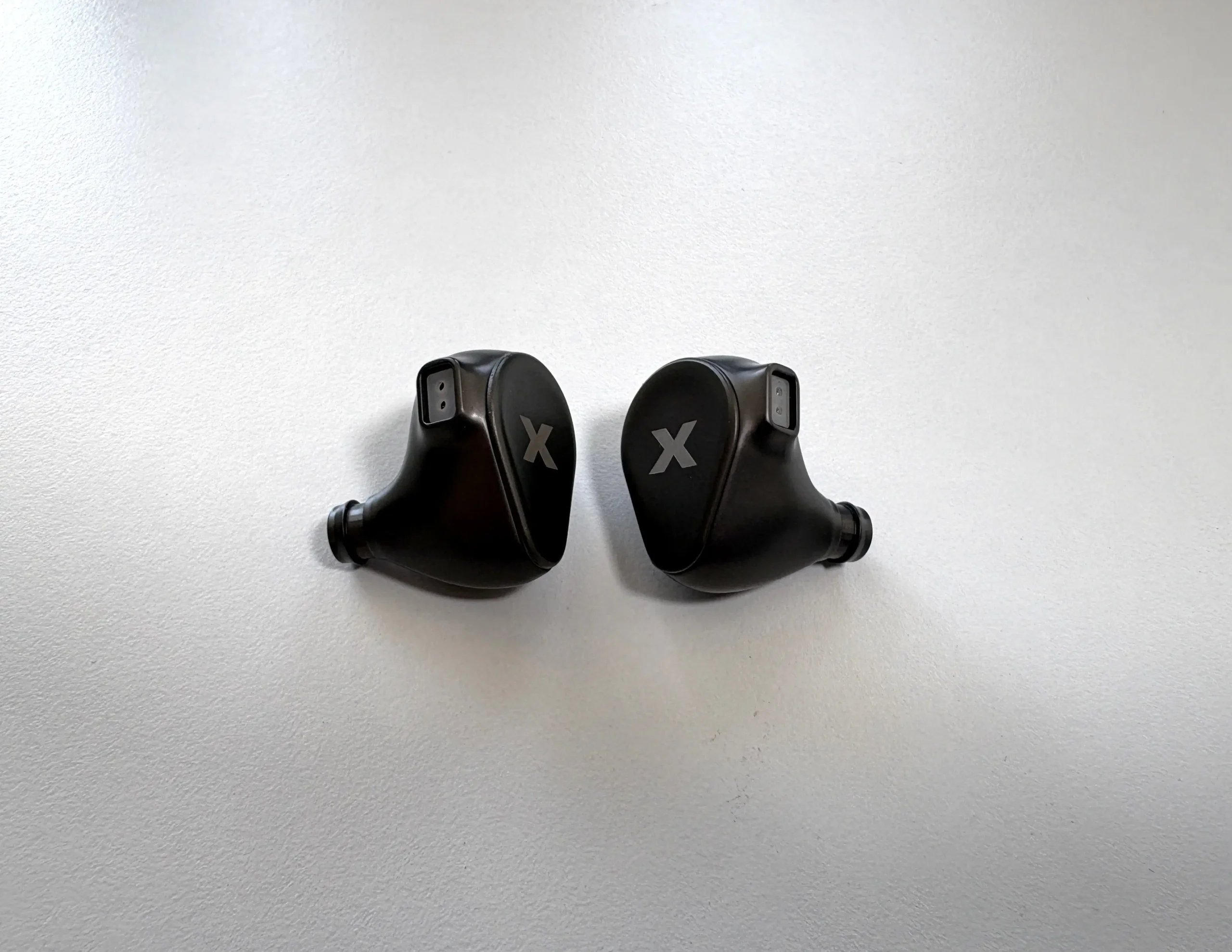


The Titan X is fairly comfortable for my ears. Using the smallest size “candy” ear tips, I achieved a good seal and excellent comfort. The nozzle length and diameter are average-sized, so most users shouldn’t have any fit issues here as long as the tips you choose are comfortable. Overall, I would rate the comfort very highly for a budget IEM.
Included with the Titan X, you get three types of silicone ear tips:
- DUNU’s self-developed “Candy” tips (they feature flexible silicone and a thickened sound tube, enhancing support, ambiance, and vocal density)
- “Atmosphere” black tips with a red tube (enhances low-frequency performance and strengthens the overall musical atmosphere)
- “Balanced” gray tips (restores accurate and uncolored sound)
The included 4-strand high-purity silver-plated cable is very, very nice. It has just the right amount of rigidity and memory without being too stiff, and it’s very lightweight. I like this cable a lot, and I can see myself using it as one of my go-to travel cables due to its materials and weight. I did notice that it can tangle fairly easily due to how thin and light it is, but this is a minor nitpick.
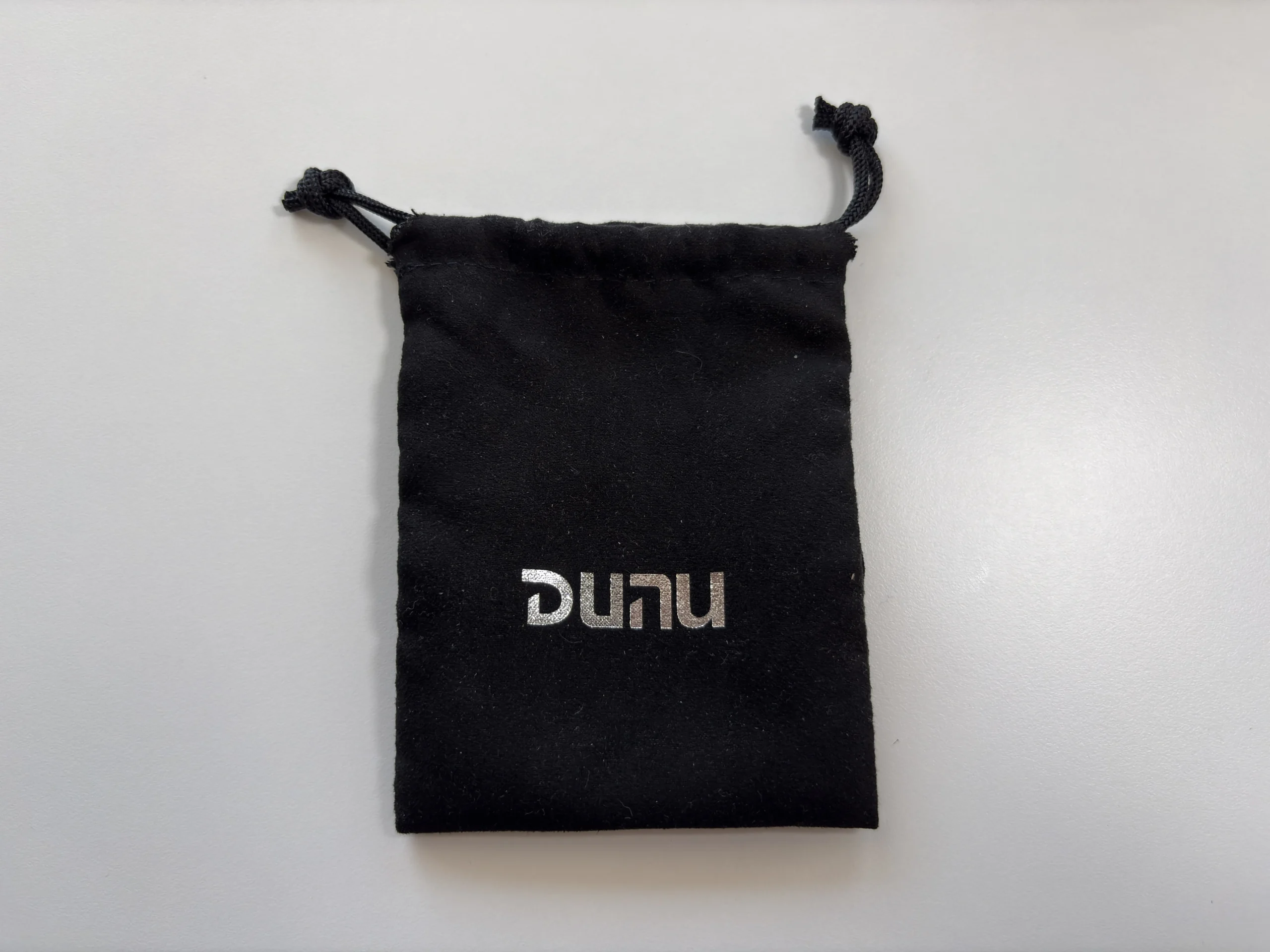


You also get a cleaning brush and a cloth-like drawstring pouch for storage. Overall, this is all much more than you would usually get with $35 IEMs. DUNU did a great job here.
Efficiency & Sensitivity
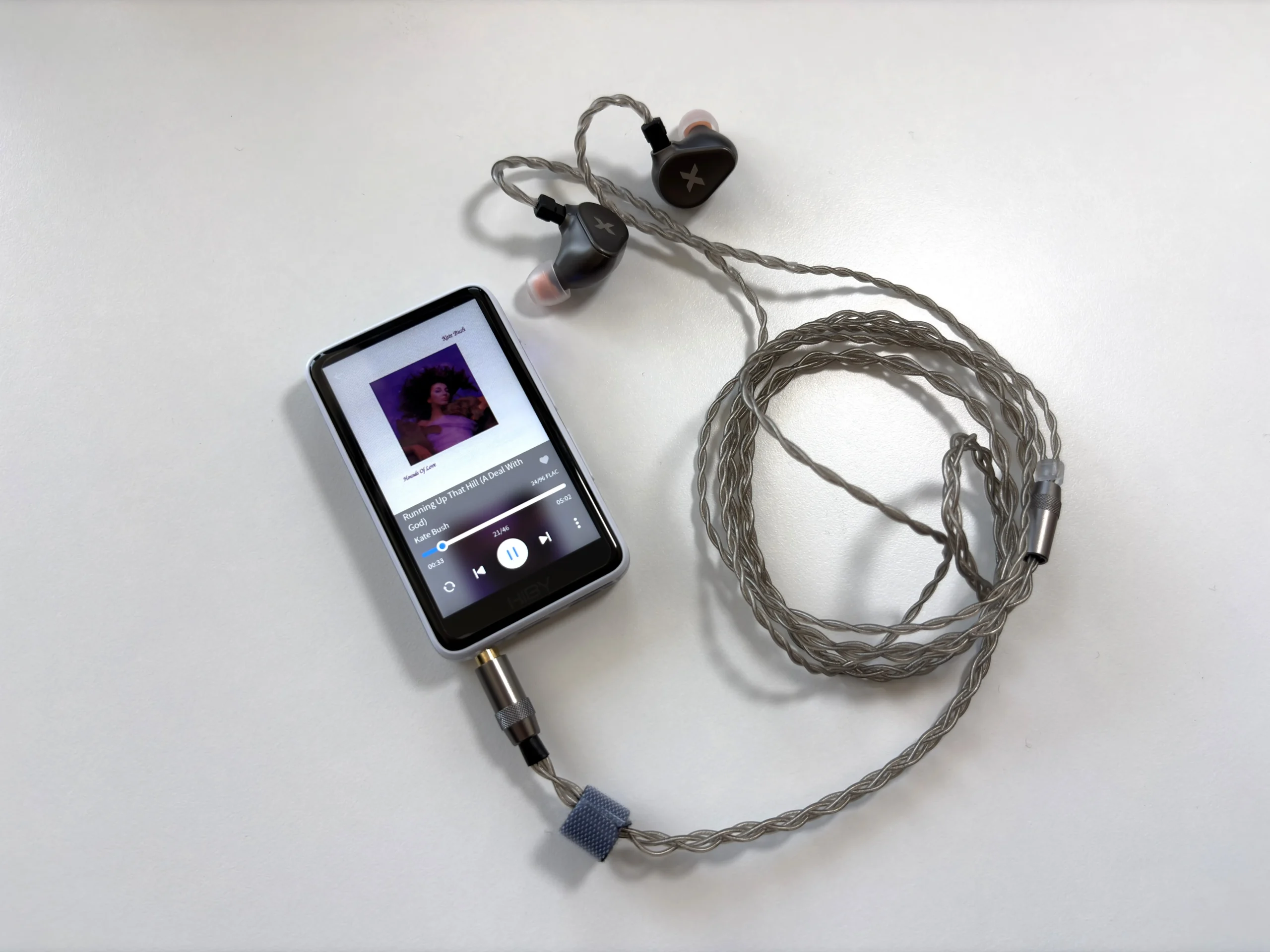
The DUNU Titan X has a 16 ohm impedance rating and ~123 dB/Vrms sensitivity (at 1 kHz). Those numbers imply high efficiency, meaning the Titan X should reach loud levels from most dongle DACs, handheld consoles, and low-power portable sources. I did notice better quality/higher power outputs helped slightly with bass quality and soundstage, but I don’t think you miss anything by using a low-powered source. My main sources for using the Titan X are the HiBy R1 and Onix Tocata XM2.
Sound Quality
Sources used for this review:
- HiBy R1
- ONIX Tocata XM2
- Surfans F20 Pro
Links to my music playlist used for the majority of testing:

The DUNU Titan X is fairly V-shaped and warm-leaning, with elevated bass and a lively upper midrange/treble presence, prioritizing fun and dynamics over strict neutrality or detail. It sounds the most engaging to my ears at low-to-moderate volume and scales well with louder listening. It is especially satisfying for modern genres (EDM, hip-hop, pop/rock) where bass punch and rhythmic drive matter.
Bass
The Titan X has a prominent sub-bass and a punchy mid-bass slam that remains relatively controlled ( not boomy), but in very bassy tracks, the bass can bleed into the lower-midrange, masking detail there. Otherwise, the dual-chamber design keeps the bass textured and surprisingly clean, with a hard-hitting, tactile punch that balances sub-bass rumble and the mid-bass impacts.
Midrange
The midrange is warm and fairly grounded. Male vocals sound natural and thick due to the lower-midrange warmth, but can at times be somewhat drowned out by bass bleed. This tends to usually happen on very bassy tracks, so it will depend on the genre of music you are listening to. A good example of this is Down by Stone Temple Pilots, with Scott Weiland’s vocals being overshadowed at times by the bass guitar and kick drum. On the other side of things, deep-sounding vocalists like Mark Lanegan on his track Deep Black Vanishing Train sound full-bodied and natural, allowing you to really hear his vocals and experience the depth of emotion he puts into it.
Female vocals benefit from a slight lift in the upper-midrange, making them sound forward and intimate, though they can occasionally sound slightly thinner than their male counterparts, depending on the recording.
Treble
The treble is well-extended and energetic without being overly spicy or harsh. It provides enough detail to keep the presentation airy but generally avoids the sibilance. I did notice some peaks at times with tracks like Reckoner by Radiohead, and during some classical music recordings. At higher volumes, the sharp peaks are more prominent, but usually, they were within tolerance for me.
Technical Performance
For this price bracket, the Titan X’s soundstage is impressive. It offers genuine width and decent depth, preventing music from feeling congested or too intimate. While the imaging isn’t laser-precise like a higher-end multi-driver setup, the instrument separation is excellent for a single dynamic driver under $50, and generally, I can follow and place sounds when they come from different directions. Resolution and detail retrieval is average, and is probably held back by the treble here, but since the intended tuning is more towards a musical and fun sound, I can’t really knock it too much for that.
Final Thoughts
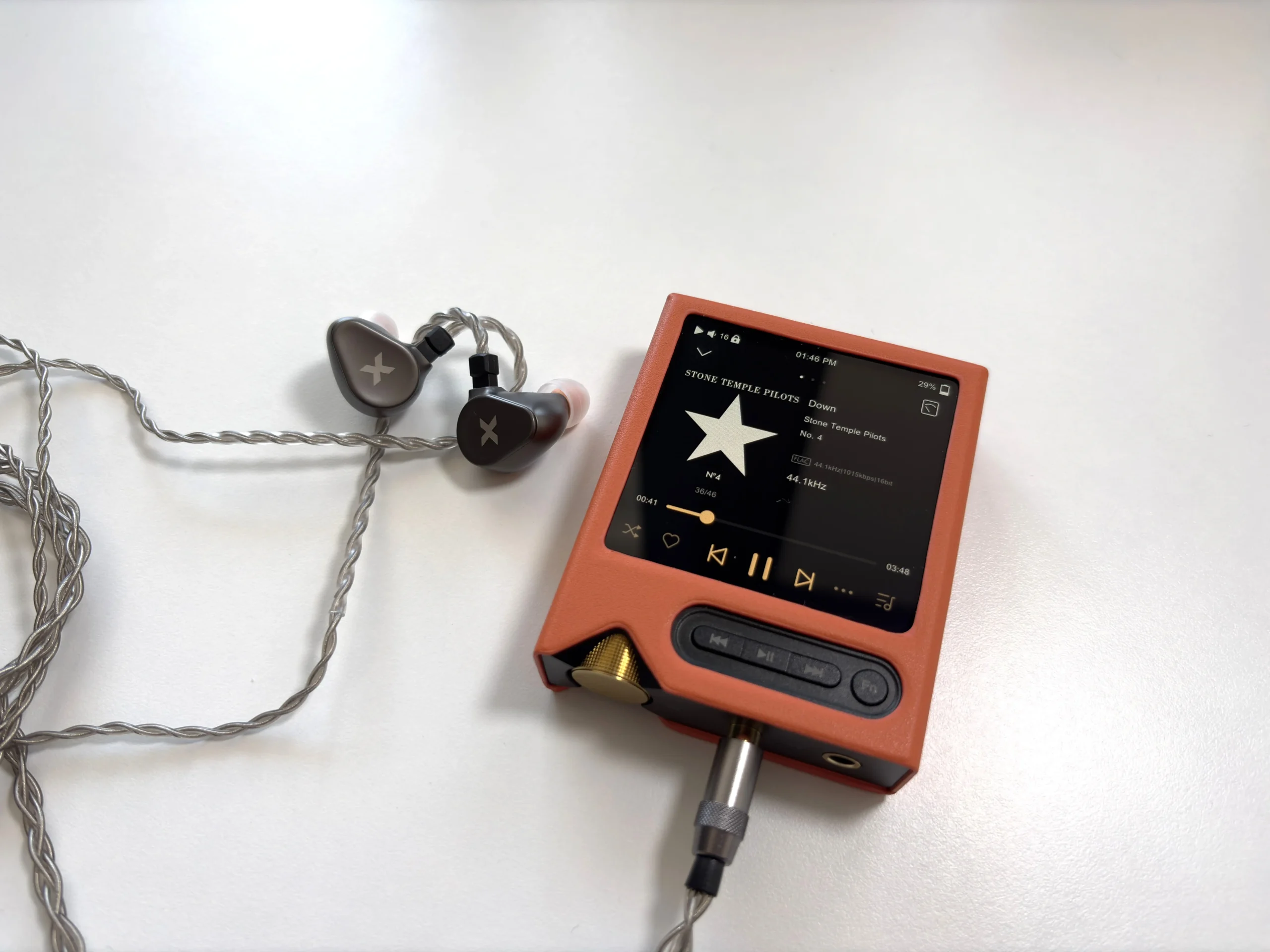
The DUNU Titan X is a solid example of how to engineer a high-value budget IEM. While many competitors focus on either technical proficiency or aesthetic charm, DUNU has managed to deliver on both within the $35 USD price bracket. The combination of high-density alloy shells, a sophisticated dual-magnetic driver, and an excellent accessory package makes the Titan X a compelling entry for newcomers to the hobby. And I think this is the key here. If you approach Titan X as an “entry ticket” into more precisely tuned IEMs and use tip rolling (and light EQ if needed) as part of the ownership, then I feel it is easy to justify the price. It’s also a great option to experiment with to see if you like the V-shaped sound profile. It’s not an endgame budget DAP by any means, but it does its intended job well.
Buy from HiFiGo: https://hifigo.com/products/dunu-titan-x
Buy from AliExpress: https://www.aliexpress.com/item/1005011688328267.html
Buy from Amazon: https://www.amazon.com/dp/B0GLGVCRTZ
The above links may be affiliate links. All commission earned through them goes directly to maintaining this site and bringing you more audio reviews.
I’m not always able to cover all the details of a product, both hardware and software, in our reviews. If you have any specific questions about this product, please feel free to leave a comment or contact me directly.
Be sure to check out our excellent Buyer’s Guides, as well as our other Reviews.
HiFi Oasis Verdict
HiFi Oasis Verdict-
Design & Comfort8/10 Very good
-
Sound7/10 Good
-
Features/Accessories7/10 Good
-
Value7/10 Good
Pros
- Fun V-shaped sound signature with strong bass and lively treble
- Punchy, textured bass with satisfying sub-bass rumble
- Impressive soundstage width for a single dynamic driver under $50
- Good instrument separation
- Premium metal (high-density alloy) shell with a solid, durable feel
- Easy to drive from dongles, portable players, and phones
- Very good accessory package
- Excellent value at $35
Cons
- Bass can occasionally bleed into the lower midrange, masking detail on bass-heavy tracks
- Male vocals can sometimes sound recessed depending on the mix
- Treble peaks at higher volumes with certain tracks
- Resolution and micro-detail are average
- Not tuned for neutral or reference listening (clearly aimed at fun, V-shaped sound)




1 comment